
Introduction
What Your Home Is Actually Made Of
Most home renovation conversations focus on aesthetics and cost. The chemical composition of the materials rarely enters the discussion, but it is arguably the most consequential variable for the health of the people living inside. Building materials cover enormous surface areas. They sit in contact with the air you breathe twenty-four hours a day. And many of them off-gas volatile organic compounds, formaldehyde, or other chemicals for months or years after installation.
The EPA has identified indoor air pollution as one of the top five environmental health risks. Flooring, paint, engineered wood, insulation, and adhesives are among the primary contributors to that load. The concern is not theoretical; it is measurable, and the materials that drive it are specific and avoidable if you know what to look for.
What follows covers the major categories of building and finishing materials, ranks options by health impact where the evidence supports it, and is honest about where tradeoffs exist. It is not a guide to going off-grid with entirely natural construction; it is a practical reference for people renovating or building who want to make meaningfully better choices at each decision point.
The main chemical concerns to understand
- VOCs (Volatile Organic Compounds): A broad class of carbon-based chemicals that evaporate at room temperature and enter the air. Found in paints, adhesives, flooring, sealants, and many synthetic materials. Associated with respiratory irritation, headaches, and with certain compounds, long-term organ damage and cancer risk. Off-gassing is highest immediately after installation but can continue for years.
- Formaldehyde: A specific VOC classified as a Group 1 carcinogen by the International Agency for Research on Cancer (IARC), meaning carcinogenic to humans. Primarily emitted by engineered wood products using urea-formaldehyde (UF) binders: MDF, particleboard, some plywood. Also found in some insulation types and finishes. Exposure causes eye, nose, and throat irritation at lower levels; long-term high-level exposure is associated with nasal and sinus cancers.
- PFAS (Per- and Polyfluoroalkyl Substances): A class of synthetic chemicals used widely for stain, water, and grease resistance. Found in carpet treatments, stone sealants, and some building coatings. PFAS are persistent; they do not break down in the environment or the body. Linked to immune system disruption, increased cholesterol, thyroid hormone disruption, reduced fertility, and increased cancer risk.
- Phthalates: Plasticizers used to make PVC and vinyl flexible. Found in vinyl flooring, some wall coverings, and PVC plumbing components. Linked to endocrine disruption and developmental effects, particularly in children.
- Crystalline silica: A naturally occurring mineral present in many stone products. As a solid it is inert and safe. As fine airborne dust, released during cutting, grinding, or sanding; it causes silicosis, an irreversible and potentially fatal lung disease. Primarily a fabrication and installation concern, not a lived-in-home concern.
Flooring
What You Walk On, What You Breathe
Flooring covers more square footage than any other single material category in the home. It is also the surface most in contact with children, pets, and bare skin. The health differences between flooring types are among the most significant material choices in any renovation.
How to read the ratings below
Each material is rated on its health profile as a finished, installed product in a lived-in home. Installation risks (cutting, sanding, adhesive fumes) are noted separately where relevant. "Best" means minimal chemical exposure in normal use. "Avoid" means meaningful ongoing chemical concern regardless of product grade.
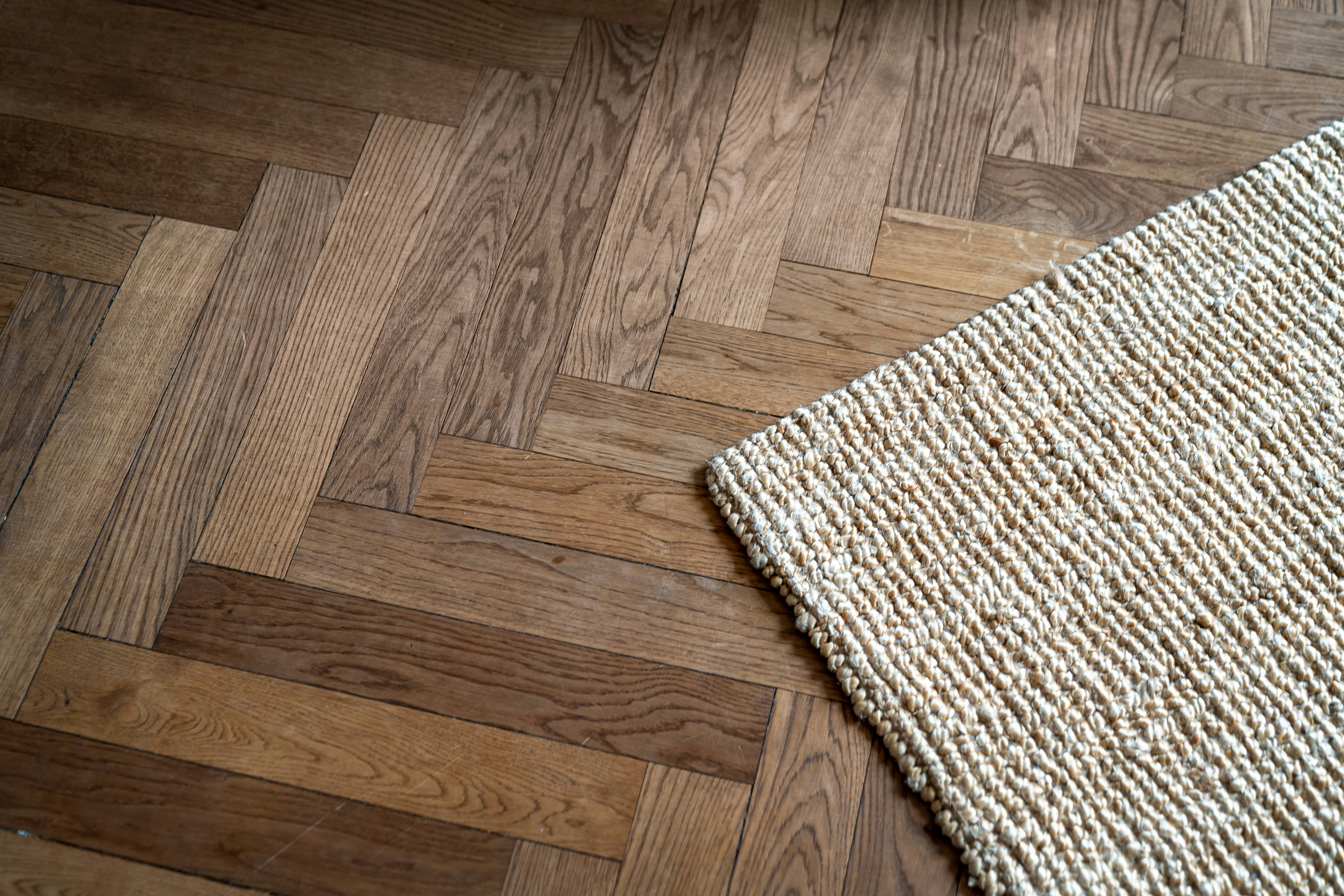
Solid timber planks contain no adhesives, no composite binders, and no synthetic cores. The primary health variable is the finish applied. Solvent-based polyurethane finishes off-gas significantly during and after application. Water-based polyurethane and natural oil finishes (linseed, tung, hardwax oil) emit far fewer VOCs and are the correct choice for health-conscious installation. The Wood Treatments section covers all finish options in full detail. FSC-certified timber ensures responsible sourcing. Solid hardwood can be sanded and refinished multiple times, making it a genuinely long-term material.
True linoleum, not to be confused with vinyl flooring, is made from linseed oil, cork dust, wood flour, and limestone, pressed onto a jute backing. It has been in use for over 150 years and remains one of the safest flooring options available. It is naturally antimicrobial, biodegradable, and produced without synthetic binders or PVC. Marmoleum (Forbo) is the most widely available brand. The characteristic smell of new linoleum is linseed oil oxidizing; it dissipates within weeks and is not a VOC concern.
Cork flooring is made from the harvested bark of cork oak trees, the tree is not cut down, and bark regrows. It is naturally antimicrobial, a thermal insulator, and comfortable underfoot. The health variable is the binder used in compressed cork tiles, some products use formaldehyde-containing resins; look for GREENGUARD-certified products with low or no added formaldehyde. The finish also matters: natural oil or water-based finishes are preferable to solvent-based coatings.
Bamboo is a rapidly renewable material; it grows to harvest maturity in three to five years versus decades for hardwood. However, bamboo flooring is an engineered product: bamboo strands are bonded together under pressure using adhesive resins. Poorly manufactured bamboo can have significant formaldehyde emissions from UF-based binders. FSC certification confirms responsible sourcing; GREENGUARD or CARB Phase II ATCM compliance confirms low formaldehyde emissions. Certified bamboo is a good option; uncertified bamboo of uncertain origin is not.
Wool carpet is a genuinely preferable alternative to synthetic carpet. It does not off-gas petroleum-derived compounds, and natural wool is inherently flame-resistant without chemical treatment. The variables to check: the backing material (jute backing is preferable to synthetic latex or PVC backing), any moth-proofing treatment (permethrin is commonly used, disclose this if it is a concern for sensitive individuals), and whether stain-resistant PFAS treatments have been applied. Some wool carpet brands offer untreated versions.
Engineered hardwood looks like solid hardwood but has a thin veneer of real wood bonded to a plywood or high-density fiberboard (HDF) core. The core is where the health concern lies, formaldehyde-containing adhesives are standard in the industry. CARB Phase II ATCM or TSCA Title VI compliance is the minimum to require; GREENGUARD Gold provides additional assurance. The veneer cannot be sanded and refinished as many times as solid wood, which shortens the useful life and eventually requires replacement.
Synthetic carpet is one of the most significant contributors to poor indoor air quality in residential buildings. New synthetic carpet off-gasses a mix of VOCs including styrene and 4-phenylcyclohexene (4-PC), which produces the characteristic "new carpet smell" and is associated with eye, nose, and throat irritation. Stain-resistant PFAS treatments are still commonplace across the synthetic carpet category; these are persistent chemicals that transfer to house dust and are ingested or inhaled. The PVC and synthetic latex backing also contribute to off-gassing. The Carpet and Rug Institute's Green Label Plus certification indicates lower emissions but does not address PFAS treatments.
Vinyl flooring is made primarily from polyvinyl chloride (PVC) with plasticizers, typically phthalates, added to create flexibility. Phthalates are classified as endocrine disruptors and are associated with hormonal and developmental effects. VOC off-gassing is highest in the weeks after installation and diminishes over time, but does not stop entirely. The concern is proportional to the amount installed, a single room is lower concern than a whole-house installation. Children crawling on vinyl floors have measurably higher phthalate exposure. FloorScore or GREENGUARD Gold certification provides partial assurance, but the base PVC concern remains regardless of additive profile.
Paint & Wall Finishes
What Covers Your Walls, and Stays in Your Air
Paint is unusual among building materials because it is applied wet, across a very large surface area, and then spends weeks releasing what it contains into the air of the room as it dries and cures. That combination of scale and slow evaporation is why it is one of the materials where the gap between a conventional and a low-emission product is most worth caring about. The concern is not only the smell of fresh paint, which fades quickly, but the slower off-gassing that can continue well after a room has stopped smelling of anything at all.

Understanding VOC levels in paint
VOC content in paint is measured in grams per liter (g/L). Conventional interior latex paint typically contains around 150 g/L. Low-VOC paint contains 50 g/L or less. Zero-VOC paint contains 5 g/L or less. An important caveat: colorants added during tinting can significantly increase the VOC content of a base paint. Always ask whether the colorants used are also low- or zero-VOC. A zero-VOC base tinted with conventional colorants is no longer zero-VOC.
Limewash is made from slaked lime (calcium hydroxide) and water, with natural mineral pigments for color. There are no petroleum-derived compounds, no synthetic preservatives, and no VOCs. As it cures it actually absorbs CO₂ from the air, a process called carbonation, converting back to calcium carbonate (limestone). It is naturally antimicrobial and mold-resistant due to its alkaline pH. The limitation is durability: limewash is not washable in the way modern paints are, and it develops a characteristic aged, mottled appearance.
Clay paints use natural clay as the binder in place of synthetic acrylic or vinyl resin. They are genuinely VOC-free, vapor-permeable (meaning they allow moisture to pass through walls rather than trapping it), and do not require petroleum-derived solvents. They also help regulate indoor humidity by absorbing and releasing moisture. The finish tends toward a flat, matte texture. Less durable than acrylic paints in high-traffic areas, not the right choice for a kitchen or bathroom without additional protection. BioShield and Graphenstone produce widely available options.
Zero-VOC acrylic paints (under 5 g/L) are the most practical option for most renovation projects that require a durable, washable finish. ECOS Paints, AFM Safecoat, and BioShield offer genuinely zero-VOC formulations with transparent ingredient disclosure. The Green Seal GS-11 certification is the most comprehensive standard; it covers not only VOCs but also carcinogens, reproductive toxins, phthalates, and heavy metals. GreenGuard Gold verifies emissions specifically. Both are more meaningful than a manufacturer's own zero-VOC claim without third-party verification.
Low-VOC acrylic paints represent a significant improvement over conventional paint and are widely available at most price points. Most major paint brands now offer low-VOC lines as standard. The main limitation compared to zero-VOC options is that at up to 50 g/L, there is still a meaningful chemical load, particularly in rooms painted in full, in smaller rooms with limited ventilation, or in homes where multiple rooms are painted within a short period. For bedrooms and children's rooms, zero-VOC is worth seeking out.
Conventional interior paint at typical VOC levels off-gasses into the room for years after application, not just during drying. The compounds involved include benzene, toluene, ethylbenzene, and xylene, all associated with neurological and respiratory effects at higher exposures. Oil-based paints are significantly worse than latex for VOC content and require solvent-based cleaning. There is no longer a performance argument for conventional paint over zero-VOC alternatives in interior applications, the chemistry has improved substantially and the cost difference is minimal.
Wood & Composites
The Formaldehyde Problem in Engineered Wood
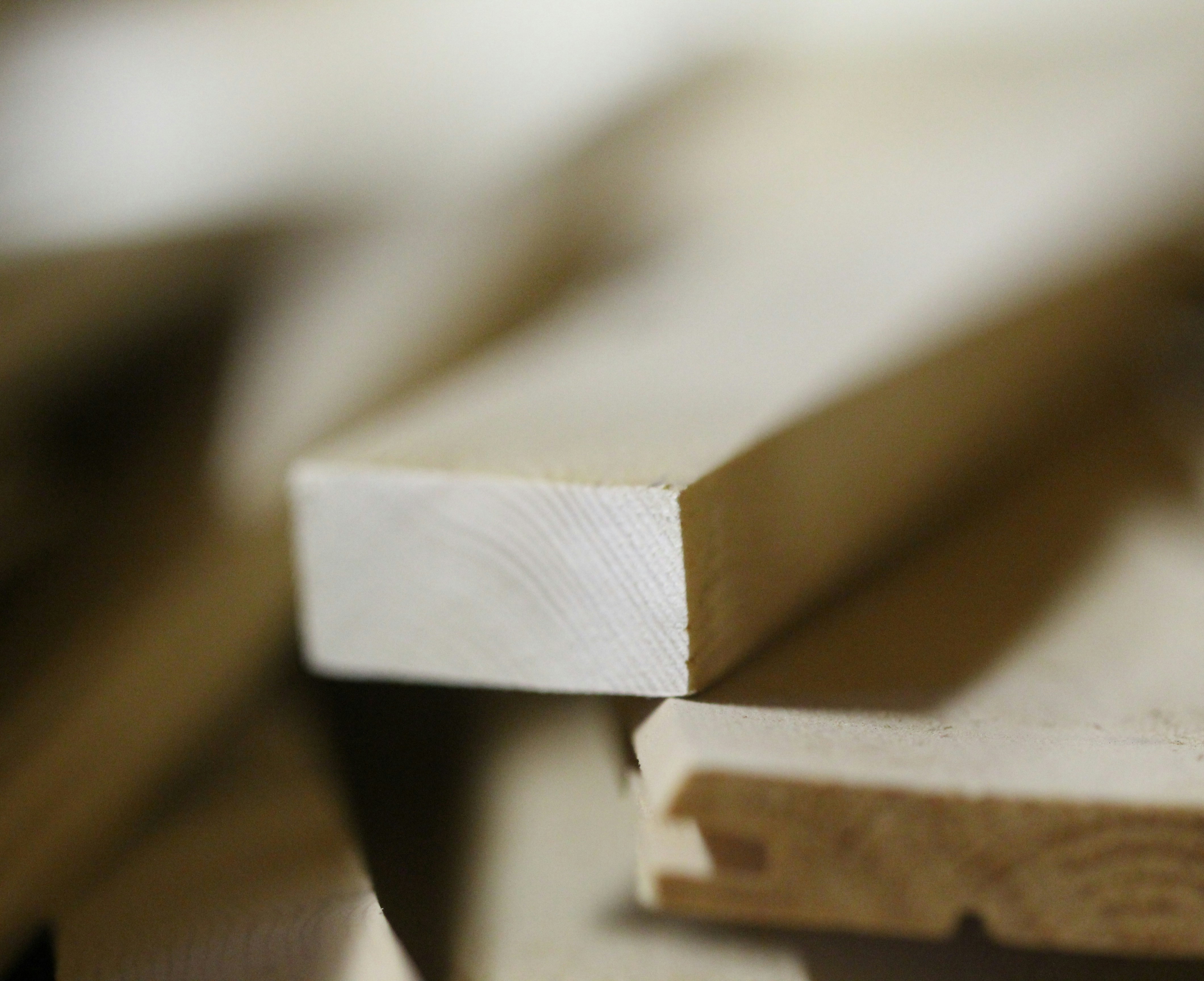
Engineered wood products, meaning MDF, particleboard, plywood, and OSB, are among the most ubiquitous materials in modern home construction and furniture. They turn up in cabinetry, shelving, subfloors, wall panels, worktops, and almost all flat-pack furniture, largely because they are cheaper, more dimensionally stable, and easier to manufacture at scale than solid timber. What holds them together is the part worth knowing about: they are made by bonding wood fibers, chips, or veneers with adhesive resins, and those resins are the primary source of formaldehyde in most homes. The wood itself is not really the concern so much as the glue that binds it.
Solid timber contains none of these binders, which is what makes the distinction between engineered and solid wood the practical starting point for reducing formaldehyde exposure in a renovation or refurbishment. The difficulty is that the two are not always easy to tell apart once a surface is painted, veneered, or laminated, and the label on a flat-pack box rarely spells it out. It is also not a simple case of one being acceptable and the other not, since not all engineered wood emits equally: the type of adhesive used makes a real difference, and lower-emitting and no-added-formaldehyde formulations now exist for most product categories. How much a board actually emits is not fixed, either: emissions from urea-formaldehyde boards climb steeply with heat and humidity, so the same room can release several times more formaldehyde in summer than in winter, and they fall gradually as boards age, dropping substantially over the first couple of years, whereas no-added-formaldehyde boards stay far less sensitive to all of it. The practical priority in a renovation is usually the largest surfaces of engineered wood in the rooms where you spend the most time, since those contribute most to the air you actually breathe. The material below sorts the common products by how much they typically emit and points to the lower-emitting versions and the certifications that verify them.
| Material | Health profile | Safer alternative |
|---|---|---|
| MDF (medium-density fiberboard) | Formaldehyde The highest formaldehyde emitter in the composite wood category. Made from fine wood fibers bonded with UF resin. Emits formaldehyde gas for months to years. IARC classifies formaldehyde as a Group 1 carcinogen. Used extensively in flat-pack furniture, cabinet doors, and shelving. CARB ATCM Phase II compliance is the minimum standard; specifying no-added-formaldehyde (NAF) or ultra-low-emitting formaldehyde (ULEF) products is meaningfully better. |
Solid wood, FSC-certified plywood with exterior-grade phenol-formaldehyde binder (lower emission than UF), wheatboard, or NAF/ULEF-certified MDF. |
| Particleboard | Formaldehyde Similar concern to MDF. Used as a substrate under laminate countertops, in flat-pack carcasses, and under some flooring overlay products. The formaldehyde from a particleboard base can off-gas through whatever surface is above it. Formica and laminate countertops are typically bonded to a particleboard substrate, the surface material is not the concern, but what is underneath is. |
Solid wood, NAF-certified particleboard, or alternative cores (wheatstraw board, hemp board). |
| Standard plywood | Lower than MDF Plywood uses phenol-formaldehyde (PF) or urea-formaldehyde (UF) binders depending on the application. PF-bonded exterior-grade plywood emits less formaldehyde than UF-bonded products and is preferable where plywood is necessary. Indoor-grade plywood (often UF-bonded) has higher emission rates. |
FSC-certified exterior-grade plywood with PF binder, or NAF-certified plywood products. |
| Solid wood (FSC-certified) | No added binders Solid timber contains no synthetic adhesive resins and emits negligible formaldehyde. Some hardwoods naturally emit small amounts of formaldehyde and other VOCs (natural terpenes), but these are orders of magnitude below the emissions of engineered wood products. FSC certification verifies responsible forestry management. |
This is the alternative. |
Practical guidance for existing installations
If you already have MDF cabinetry or particleboard furniture in your home, sealing exposed edges and surfaces with a zero-VOC paint or sealant meaningfully reduces off-gassing, the resin is encapsulated and less able to escape. This is particularly relevant for the interiors of cabinets, undersides of shelves, and back panels, which are often unfinished and emit more than face-side surfaces. Increased ventilation during and after new installation also accelerates the off-gassing process. Emissions are highest at elevated temperatures, a hot summer with closed windows in a newly fitted kitchen is a higher-exposure scenario than the same room in winter.
Wood Treatments & Finishes
What's On the Wood Matters as Much as the Wood Itself
Choosing solid hardwood flooring, FSC-certified timber cabinetry, or a natural wood deck is a good material decision. What gets applied to that wood afterward can undo most of the health benefit. Coatings, stains, preservatives, and finishes determine what the wood emits into the air, what it releases under heat and wear, and how the surface behaves over decades of use. The finish is not a minor detail, on a hardwood floor covering an entire home, it is the largest chemical surface area in the building.
Floor finishes
Hardwax oils are a blend of plant-based oils and waxes that penetrate into the wood fiber rather than forming a surface film. Rubio Monocoat is completely VOC-free and plant-derived; it bonds at a molecular level to the wood in a single coat and has no off-gassing concern during or after application. Osmo Polyx-Oil is plant-based with very low VOC content (around 5 g/L), negligible compared to any polyurethane product. Both maintain the natural look and feel of the wood. Both are repairable in sections without refinishing the entire floor. They require periodic maintenance but never need stripping. For health-conscious flooring, hardwax oil is the standard to match.
Raw linseed oil, boiled linseed oil, and tung oil are traditional wood finishes with no synthetic compounds. They penetrate the wood, harden over time through oxidation, and produce no synthetic VOC off-gassing. The limitation is performance: pure plant oils are less durable than modern hardwax oil formulations and require more frequent reapplication. Boiled linseed oil often contains metallic drying agents (cobalt or manganese salts) to accelerate cure time; pure raw linseed oil or polymerized linseed oil is the cleaner choice. Both are best suited to furniture, wooden countertops, and lower-traffic interior wood rather than high-traffic floors.
Water-based polyurethane contains approximately 150–200 g/L of VOCs, significantly lower than oil-based, but still substantially higher than hardwax oil alternatives. Water-based finishes typically finish off-gassing within days of application, compared to months or even years for oil-based products. All polyurethane products contain diisocyanates, the same class of compounds that cause concern in spray polyurethane foam insulation, though at lower concentrations in floor finishes. Once fully cured, water-based polyurethane is considered stable. For health-conscious renovation it is an acceptable option where hardwax oil is not feasible, but it is not the best available choice.
Oil-based polyurethane contains approximately 450 g/L of VOCs, among the highest of any commonly applied residential finish. Off-gassing begins during application and continues for months after, with some products continuing to emit compounds for over a year in inadequately ventilated spaces. The compounds involved include xylene, toluene, and other aromatic hydrocarbons. Several US states including California and New York have restricted or banned the sale of traditional oil-based polyurethane due to its VOC content. There is no performance justification for choosing oil-based polyurethane over hardwax oil or water-based alternatives for interior residential use.
Furniture, cabinetry and interior wood finishes
Shellac is derived from the secretions of the lac beetle (Kerria lacca), dissolved in ethanol. It contains no petroleum-derived compounds, no synthetic resins, and no formaldehyde. Once cured, it is food-safe; it is used as a coating on pharmaceutical tablets and fresh produce. The ethanol solvent evaporates rapidly, making it fast-drying with minimal lingering off-gassing. For furniture, trim, wooden toys, and children's furniture, shellac is the cleanest available finish. The limitations are sensitivity to water and alcohol, a wet glass left on shellac-finished furniture will leave a white ring, and alcohol dissolves it.
Milk paint is made from casein (milk protein), lime, and natural mineral pigments. It contains no petroleum-derived compounds, no synthetic preservatives, and no VOCs; it is mixed from powder with water immediately before use, eliminating the need for preservatives entirely. It bonds exceptionally well to porous surfaces including raw wood and plaster. The finish is characteristically matte and slightly chalky. It is less durable than synthetic paint on high-traffic surfaces without a protective topcoat, a coat of natural wax or hardwax oil over milk paint protects it while maintaining the natural finish.
Solvent-based lacquers and acid-catalysed conversion varnishes are the standard finish applied to factory-produced furniture and kitchen cabinetry. The off-gassing concern is most significant in the weeks after a piece arrives in the home, particularly with new flat-pack or factory furniture in a bedroom or enclosed space. Ventilating a newly furnished room aggressively for several weeks reduces cumulative exposure. Conversion varnishes contain formaldehyde-releasing catalysts as part of their curing chemistry. When choosing cabinetry, water-based lacquers are widely available from quality manufacturers and have substantially lower VOC profiles, worth specifying explicitly.
Exterior wood and decking treatments
CCA, chromated copper arsenate, was the standard wood preservative for residential decking, playground equipment, and landscaping timber in the US from the 1940s until 2003. It contained arsenic, chromium, and copper in concentrations sufficient to cause cancer. In December 2003, chromated arsenical manufacturers voluntarily discontinued manufacturing CCA-treated wood products for homeowner uses. Any residential deck, playset, fence, or landscaping timber installed before 2004 may be CCA-treated. The visual identifier is a green tint, most visible on cut ends and undersides. If you have an existing pre-2004 deck, applying a penetrating sealant annually reduces arsenic leaching from the surface. Do not sand, cut, or burn CCA-treated wood without respiratory protection, the dust and smoke are acutely toxic.
Linseed oil paint, used widely in Scandinavia for centuries, is made from polymerized or boiled linseed oil with natural mineral pigments. It penetrates wood rather than forming a surface film, meaning it does not peel or crack as surface-film paints do. It requires more frequent reapplication than conventional exterior paint but is fully natural, biodegradable, and contains no synthetic fungicides or biocides. Brands including Allback and Ottosson produce genuine linseed oil paint without synthetic additives.
Several timber species contain natural oils and resins that make them inherently resistant to rot, insects, and moisture without chemical treatment. Western red cedar, redwood, teak, and black locust are the most widely available. FSC certification verifies responsible sourcing, which matters particularly for tropical hardwoods like teak. These species can be left to weather naturally, finished with linseed or tung oil, or sealed with a low-VOC exterior stain. They do not require pressure treatment.
The preservatives that replaced CCA in residential lumber are primarily copper-based: alkaline copper quaternary (ACQ), copper azole (CA), and micronized copper quaternary (MCQ). These contain no arsenic or chromium. The remaining concern is copper leaching into surrounding soil and water, at sufficient concentrations copper is toxic to aquatic organisms and can affect soil biology. For raised vegetable beds, copper-treated timber is not recommended for direct soil contact. For decking and structural applications away from vegetable growing areas and water features, modern copper-treated timber is a meaningful improvement over CCA.
Wooden toys and children's furniture
Children's products warrant the strictest finish standards. The safest finishes for wooden toys and children's furniture are shellac (food-safe, alcohol-soluble, no synthetic compounds), pure beeswax or carnauba wax (both plant-derived, zero VOC, safe for mouthing), and certified non-toxic water-based paints. GREENGUARD Gold certification is the minimum to require for any painted children's furniture; it tests for over 360 VOCs and sets stricter thresholds for children's environments. Avoid any toy or furniture with a high-gloss solvent-based lacquer finish, ventilate for several weeks before placing in a child's room, or choose an unfinished solid wood piece and apply shellac or beeswax yourself.
How to identify what finish is on existing wood
- Penetrating oil vs surface film: Rub your finger firmly across the surface. If you feel the grain of the wood directly under your fingertip, it has a penetrating finish (oil, wax, hardwax oil). If you feel a smooth, glassy layer clearly separate from the wood texture, it has a surface film finish (polyurethane, lacquer, conversion varnish).
- Water test: Place a few drops of water on the surface. On an oiled or waxed finish, water will bead and sit on the surface. On an unfinished or worn finish, water will absorb into the wood and darken it.
- Shellac identification: Dab a small amount of methylated spirits (denatured alcohol) on an inconspicuous area. If the finish becomes tacky or dissolves, it is shellac, the only common finish soluble in alcohol.
- Refinishing over existing finishes: Hardwax oil cannot be applied directly over polyurethane, the existing film finish must be fully sanded back to bare wood first. Shellac can be applied over most existing finishes as a sealer or barrier coat.
Countertops
Surface Choices, and What's Underneath Them
Countertops are chosen almost entirely on looks, durability, and price, and the material underneath the surface rarely comes up at all. It is worth a moment's thought, because a worktop is in daily contact with food preparation and takes heat, water, and cleaning products constantly, and because several common options are not solid all the way through. Some are engineered composites bound with resins, and others are natural stone that raises its own separate questions, so the choice is a little less obvious than the showroom sample makes it look.

The quartz silicosis issue
Engineered quartz countertops contain up to 90–95% crystalline silica by composition. The IARC and NIOSH have both identified engineered stone countertop fabricators as being at high risk of silicosis, an irreversible, incurable lung disease caused by inhaling fine silica dust. Research published in JAMA Internal Medicine identified 52 cases among California fabrication workers, with ten deaths and three requiring lung transplants. A study estimated 100,000 US workers at risk. Australia has banned engineered stone sales in response. This is a fabrication and installation risk, not a risk to people living with installed countertops, but it affects material choices on ethical as well as health grounds.
Soapstone is composed primarily of talc; it contains no crystalline silica, making it the safest natural stone option for fabrication workers as well as homeowners. It is non-porous by nature, requiring no chemical sealants; it is maintained with periodic mineral oil application. It does not etch from acids (lemon juice, wine), is extremely heat-resistant, and is naturally antibacterial. The aesthetic is a distinctive dark gray-green that darkens over time with mineral oil treatment.
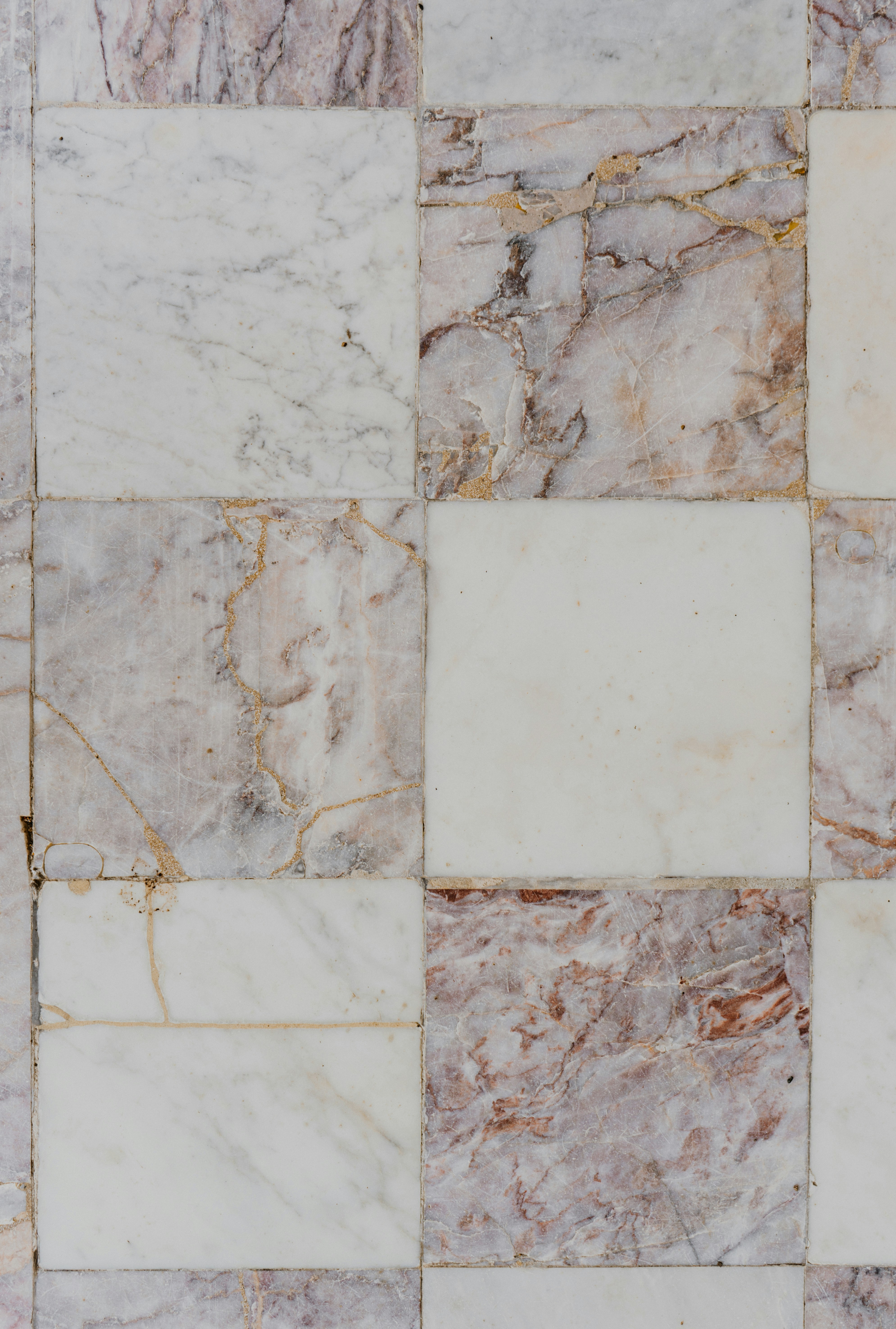
Solid granite and marble slabs are natural, contain no synthetic binders, and do not off-gas in normal use. The health variables are the sealant applied (most conventional stone sealants are fluoropolymer-based, a form of PFAS; seek out PFAS-free sealers or natural oil-and-wax alternatives for appropriate stone colors) and the substrate. Granite and marble countertops are sometimes installed as thin overlays bonded to a particleboard substrate, this introduces formaldehyde off-gassing from below. Specifying full-slab installation eliminates this.
Solid hardwood butcher block is natural, renewable, and maintained with food-safe mineral oil or beeswax rather than synthetic sealants. It is warm to the touch, repairable (surface scratches can be sanded out), and biodegradable at end of life. The functional requirement is maintenance: unsealed wood absorbs water and bacteria if not kept regularly oiled, and it is not suitable for installation near sinks without proper edge sealing. FSC-certified timber is the standard to specify.
Engineered quartz is made from ground quartz (90–95% crystalline silica) bound with polyester resin and pigments. As an installed surface in a home, it is non-porous, durable, and does not off-gas meaningfully in normal use. The concern is at the fabrication stage: cutting and polishing engineered stone releases silica dust at concentrations that have caused silicosis in workers, including fatalities. The occupational health concern at fabrication is a legitimate reason to consider alternatives.
Laminate countertop surfaces themselves are relatively inert, the concern is the particleboard underneath, which is the primary structural component and which off-gasses formaldehyde into the space below the countertop surface and through any exposed edges. This matters particularly in kitchen and bathroom cabinetry where the countertop overhangs interior cabinet space. NAF-compliant particleboard substrates exist and should be specified where laminate is the preferred surface material.
Insulation
What's Inside the Walls
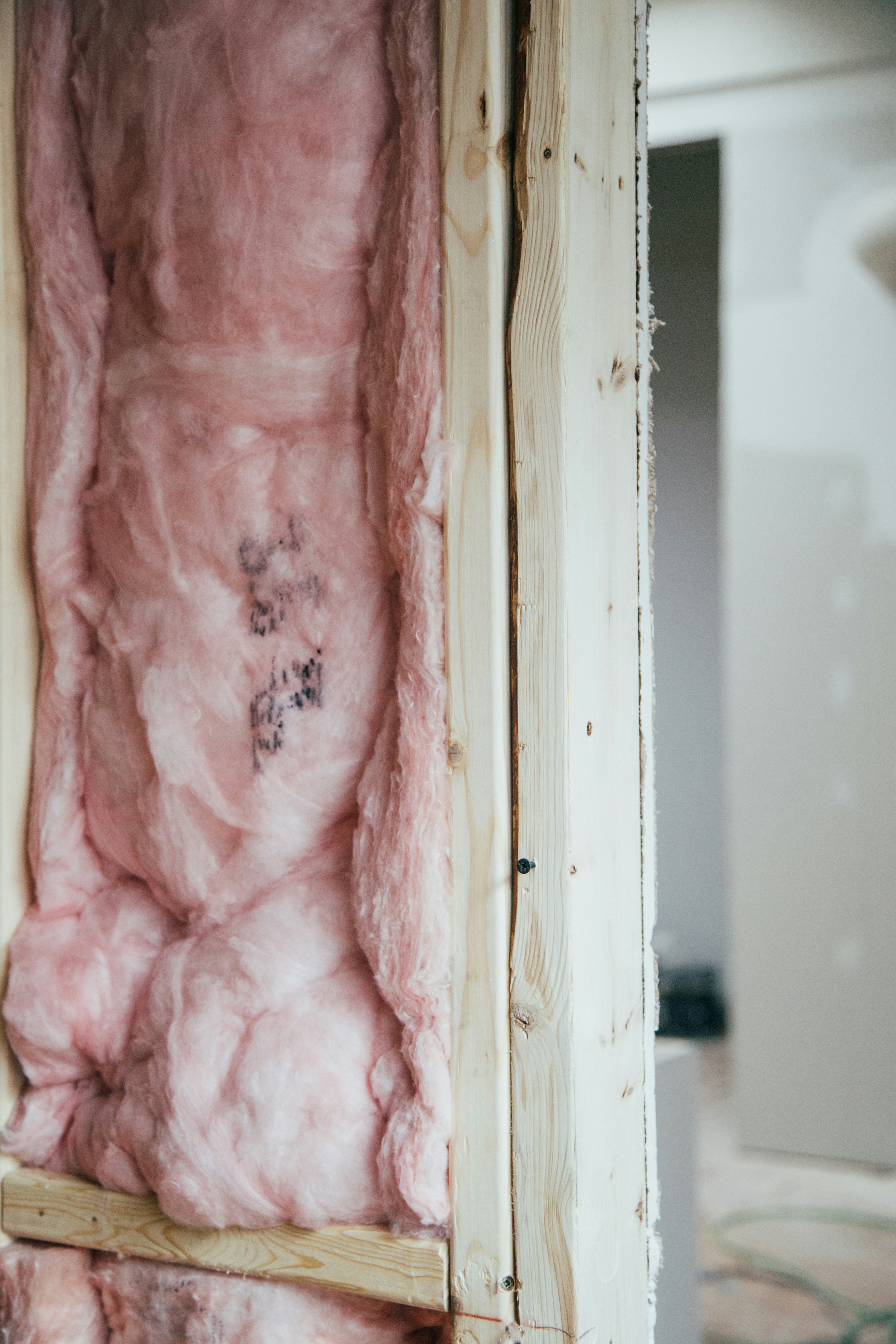
Insulation is largely hidden once installed, sealed behind plasterboard or tucked under floors, but it stays in the structure of the building more or less permanently, which changes how to think about it. Unlike a sofa or a tin of paint, it is not something you can easily swap out later if you change your mind, so the decision is best made carefully at the point of specifying it. The concerns around insulation are mostly relevant in two situations: during installation, when the material is being cut and handled and airborne fibers or fumes are at their highest, and later during renovation, if the material is disturbed, drilled into, or torn out.
For most well-installed, properly encapsulated insulation, ongoing off-gassing into the living space is low, and it is not usually the first thing worth worrying about in an existing home. The clearer exceptions are spray polyurethane foam, which relies on a reactive chemistry that has to be mixed and cured correctly on site and can cause lasting problems where it is not, and fibreglass made with formaldehyde binders, which can emit over time. With the foam specifically, the real hazard is concentrated at the point of application, where the isocyanates involved can exceed occupational exposure limits without proper ventilation and protection, and where the material keeps curing for a time after it feels hard to the touch; installed and fully cured correctly it is generally considered inert, which is exactly why who fits it, and how, matters more here than with almost any other insulation. Both are worth understanding before specifying, particularly in a new build or a major retrofit where you have a real choice of material. Cost, performance, and health do not always point the same way here, which is part of why it repays deciding deliberately rather than defaulting to whatever is proposed. The options below run from the natural fibers, which carry the fewest concerns, through to the synthetic products that reward a closer look before you commit.
Sheep's wool is a natural insulator that performs well across a range of temperatures and conditions, including when damp; it retains insulating properties at up to 30% moisture content. Unusually, wool can absorb and neutralize certain VOCs including formaldehyde from other materials in the building. It requires a moth-proofing treatment; specify borax-treated rather than permethrin-treated where sensitivity is a concern. Less widely available than mainstream options and at a cost premium, but the healthiest insulation choice available.
Mineral wool (rock wool and slag wool) is made from molten rock or industrial slag spun into fibers. It is non-combustible, does not require additional fire retardant treatment, and performs well acoustically and thermally. The IARC, the US National Toxicology Program, and the California OEHHA have all stated that mineral wool thermal insulation is not classifiable as a carcinogen. The important caveat: many standard mineral wool products use formaldehyde-containing binders. Thermafiber is the widely available formaldehyde-free option.
Cellulose is made from recycled paper (typically 80–85% post-consumer content) treated with borate compounds for fire and pest resistance. It has no VOC concern in normal installation and has a low embodied energy compared to mineral wool or foam. The relevant concerns are moisture management, cellulose can absorb moisture and become a mold substrate if not properly installed with vapor control, and dust during installation. Properly installed and dry, it is a good health choice.
Fiberglass is the most widely installed insulation in residential construction. The IARC has cleared fiberglass as not classifiable as a carcinogen. However, many fiberglass products use formaldehyde-containing binders, and fiberglass fibers are a mechanical irritant to the respiratory system and skin during installation. Formaldehyde-free fiberglass products exist and should be specified where fiberglass is the chosen material. Once properly installed and enclosed behind drywall, normal-use exposure concerns are low.
Spray polyurethane foam is an effective air barrier and insulator, but it has the most significant health concerns of any common insulation type. The primary concern is methylene diphenyl diisocyanate (MDI), NIOSH has issued specific warnings about diisocyanate exposure. Different manufacturers provide conflicting guidance on evacuation times during installation and curing; no government agency has established a definitive timeline. Once fully cured, SPF is generally considered stable, but a poor installation or inadequate cure can result in ongoing off-gassing. Where excellent air sealing is the goal, alternative approaches using formaldehyde-free mineral wool with careful air sealing tape and membrane systems achieve comparable performance.
Adhesives & Sealants
The Hidden Chemical Load in Every Renovation
Adhesives and sealants are among the least-considered product categories in a renovation, but they are applied throughout, in flooring installation, under countertops, around windows and doors, in bathrooms, and behind any structural cladding. Unlike paint, their VOC concerns often fall into the semi-volatile category (SVOCs), which off-gas more slowly and over a longer period than standard VOCs. A sealant applied around a bathtub in 2024 may still be emitting compounds into the bathroom air in 2026.
Solvent-based construction adhesives, used under subfloors, for countertop installation, and in stair construction, typically contain xylene, toluene, and other aromatic hydrocarbons. Research on adhesive off-gassing has identified xylene as the primary VOC in white emulsion adhesives at concentrations accounting for nearly half of total VOC emissions. Water-based construction adhesives have significantly lower VOC profiles. AFM Safecoat Almighty Adhesive is among the most widely tested options for chemically sensitive environments.
Glue-down flooring, including some engineered hardwood and vinyl installations, uses adhesives with significant VOC content. Trowel-applied mastic adhesives for vinyl are among the highest-VOC products used in residential renovation. Low-VOC flooring adhesives are available and should be specified wherever glue-down installation is required. Click-lock floating floor systems that require no adhesive eliminate this concern entirely, which is one reason they are preferable from a health standpoint beyond just installation convenience.
Silicone caulks are commonly used around bathtubs, sinks, and windows. Standard silicone caulks with mold-resistance additives typically contain antifungal biocides (often isothiazolinones) that can off-gas and have been identified as skin sensitizers. Acrylic caulks labelled with high VOC content present additional concerns, particularly in enclosed bathrooms with limited ventilation. Low-VOC silicone caulks and AFM Safecoat caulk products provide alternatives. Note that even products marketed as low-VOC can have slow, ongoing off-gassing due to their semi-volatile compounds, good bathroom ventilation during and after application is important regardless of product choice.
The majority of stone sealants on the market, used on granite, marble, quartzite, and concrete countertops, are fluoropolymer-based, meaning they contain PFAS compounds. PFAS are persistent chemicals linked to immune disruption, thyroid dysfunction, cholesterol effects, and cancer. They transfer from sealed stone surfaces to food, hands, and cleaning cloths over time. The Green Science Policy Institute has identified most stone sealers as PFAS-containing. Two alternatives exist: for warm or dark-toned stones, natural wax and oil finishes (walnut oil, soapstone sealer) perform effectively. For light or cool-toned stones requiring a synthetic sealer, SimpleCoat is currently the only verified zero-VOC, PFAS-free option widely available. Soapstone, which is non-porous, requires no sealer at all.
Standard cement-based tile adhesive (thinset mortar) has a low VOC profile and is the preferable choice over solvent-based mastic tile adhesive, which contains significantly higher VOC content and should not be used in areas with limited ventilation. Cement-based grout is similarly low-concern. Epoxy grouts, used for their stain resistance and durability, off-gas during installation; adequate ventilation during and after grouting is required. Once cured, epoxy grout is stable.
Certifications
Third-Party Verification, What Each Standard Actually Means
Building material certifications vary substantially in what they test for and how rigorously. Some cover only VOC emissions. Others address a broader range of chemical hazards. None cover everything. Understanding what each certification does and does not verify helps with selecting the right standard to require for each material category.
GREENGUARD certification verifies that a product's VOC emissions meet specific indoor air quality thresholds, under 500 micrograms per cubic meter. GREENGUARD Gold (formerly Children & Schools) applies a stricter threshold of under 220 micrograms per cubic meter, and is the standard to specify for bedrooms, children's rooms, and schools. It tests emissions from the installed product into air. It does not address PFAS, heavy metals, or formaldehyde in the binder specifically, only what is emitted into the air during testing.
Green Seal's GS-11 certification for paints and coatings is the most comprehensive paint standard available. It covers VOC levels, carcinogens, reproductive toxins, triclosan, phthalates, heavy metals, and PFAS, including a prohibition on all PFAS compounds from 2025 onward. It addresses multiple chemical hazard categories, not only VOC emissions. For paint selection specifically, GS-11 is the gold standard.
The California Air Resources Board's Airborne Toxic Control Measure (ATCM) Phase II and the federal Toxic Substances Control Act (TSCA) Title VI set maximum formaldehyde emission limits for composite wood products, particleboard, MDF, and hardwood plywood. These are regulatory minimums, not voluntary quality standards. Compliance means the product meets the legal threshold; it does not mean the product is formaldehyde-free. For products used in bedrooms or in large quantities, specifying no-added-formaldehyde (NAF) or ultra-low-emitting formaldehyde (ULEF) products provides a more meaningful standard than compliance alone.
FloorScore certification applies specifically to hard-surface flooring and flooring adhesive products. It tests VOC emissions to meet California Section 01350 requirements, which are among the most stringent indoor air quality standards used in the US. It addresses flooring-specific emissions including from adhesives used in installation. It does not address PFAS content in stain-resistant treatments applied to carpet or some resilient flooring.
FSC certification verifies responsible forest management and chain of custody for timber and wood products; it is an environmental and supply chain standard, not a chemical emissions standard. It does not address formaldehyde binders or finish VOC content. FSC-certified engineered wood can still contain UF binders. It is a meaningful certification to require for solid wood and solid hardwood flooring; for engineered products, FSC certification should be combined with formaldehyde emissions standards, not treated as a substitute for them.
The Declare label, developed by the International Living Future Institute, identifies products that are free from chemicals on the Living Building Challenge's Red List, a list of the most problematic substances in building materials including asbestos, cadmium, chlorobenzenes, formaldehyde, halogenated flame retardants, lead, mercury, and PFAS. Declare Red List Free is one of the most comprehensive material health certifications available and is increasingly used in high-performance sustainable building projects.