
Introduction
What "Natural" Actually Means Here
The word natural has been used so freely in personal care marketing that it has nearly lost its meaning. A product can call itself natural and still contain synthetic preservatives, petroleum derivatives, fragrance blends made from hundreds of undisclosed chemicals, and plastic microbeads. At the same time, some of the most effective and minimal ingredients you can find, lanolin, tallow, beeswax, castile soap, are available in plain bottles at a modest price with nothing added.
Chasing a label isn't the point. Understanding what's in the products you use on your skin, hair, and teeth every day, and making informed decisions about what belongs there, is. Some swaps are simple, others involve real tradeoffs, and a few things marketed as natural substitutes do not work well enough to recommend without conditions. All of that is covered here.
Personal hygiene products are applied daily, often to large surface areas, and sometimes left on the skin. The cumulative exposure matters more than any single product. Starting with the things you use most often and most consistently, moisturizer, deodorant, shampoo, toothpaste, will have more impact than optimizing a once-a-week treatment.
Where to start
Where to start
If this feels like a lot, start with Easy Swaps for simple product replacements, or jump to Before You Buy if you want to evaluate what you already own. The Acid Mantle section explains the underlying logic behind most of the recommendations here. Everything else can be read in any order by topic.Ten most impactful swaps at a glance
The Acid Mantle
Why Your Skin Has a pH, and Why It Matters
The acid mantle is a thin, slightly acidic film that sits on the outermost layer of the skin, formed from a combination of sebum, sweat, and the natural byproducts of skin cell turnover. Its pH sits between 4.5 and 5.5. This acidity serves a purpose: it is the skin's primary defense against pathogenic bacteria, environmental pollutants, and moisture loss. The bacteria that cause acne and eczema flares (Cutibacterium acnes and Staphylococcus aureus respectively) struggle to thrive in a properly acidic environment, and when the acid mantle is disrupted and the skin's pH rises, these bacteria proliferate more easily.
Most conventional soaps and many cleansers are alkaline, often with a pH between 9 and 11. A single wash raises skin pH measurably, and depending on the product, that disruption can persist for several hours. With twice-daily washing using alkaline products, the skin's surface may rarely return to its optimal range. This is the underlying mechanism behind why many people experience dryness, tightness, increased sensitivity, or recurring breakouts that seem disconnected from any obvious cause.
What disrupts it
- Alkaline soaps and cleansers. Traditional bar soap is among the most disruptive. pH-balanced cleansers (labeled as such, with a pH between 4.5 and 6.5) cause significantly less disruption.
- Over-washing. Frequency of cleansing matters as much as the product used. Washing the face more than twice daily, or the body daily with a harsh surfactant, does not allow the acid mantle time to recover.
- Astringent toners and alcohol-based products strip the surface rapidly and can raise pH substantially.
- Hard water. Water with high mineral content (high pH, often around 7.5 to 8.5) has been shown to correlate with increased rates of eczema and skin irritation, particularly in infants.
- Baking soda-based products. Baking soda is pH 9. Used directly on skin or in high concentrations in scrubs or deodorants, it disrupts the acid mantle significantly.
- Hot water. Water temperature affects how much sebum is stripped during cleansing. Hot water removes significantly more than lukewarm water, which is why skin often feels tight after a hot shower even with a gentle cleanser. Lukewarm water is sufficient to cleanse effectively and considerably kinder to the acid mantle.
What supports it
- pH-balanced or slightly acidic cleansers. Look for products that specify a pH of 4.5–6.5, or use a pH strip to test. Syndet bars (synthetic detergent bars) are formulated at a lower pH than traditional soap and are much gentler on the acid mantle.
- Apple cider vinegar rinses (diluted). One tablespoon per cup of water applied to the scalp or body as a final rinse after alkaline cleansers helps restore surface pH. Not for daily use on the face.
- Lactic acid is a mild AHA naturally present in fermented products. At low concentrations (around 5%) it gently exfoliates and acidifies the skin surface. Present in some natural toners and serums.
- Leaving skin alone after cleansing. The skin recovers its pH on its own within a few hours given the chance. Reducing wash frequency where possible is as effective as any product intervention.
- Plant oils as moisturizers. Most plant oils have a slightly acidic to neutral pH and do not disrupt the acid mantle the way lotion-type products with alkaline emulsifiers can.
Skin Conditions
Eczema, Psoriasis, and Contact Dermatitis: What They Are and How Products Affect Them
Eczema, psoriasis, and contact dermatitis are distinct conditions with different underlying mechanisms, but all three share a relationship with the skin barrier, product ingredients, and environmental triggers that makes them worth covering together here. This section covers the external management angle: what to use, what to avoid, and how to choose products. For the internal drivers (immune function, gut health, stress, diet, sleep), see the companion Body Health.
Atopic eczema (atopic dermatitis)
Atopic eczema is an immune-mediated inflammatory skin condition characterized by a defective skin barrier. The most well-established genetic factor is loss-of-function mutations in the filaggrin gene, which encodes a protein essential for maintaining the skin's barrier structure. Without sufficient filaggrin, the skin cannot retain moisture effectively, the acid mantle is disrupted, and environmental allergens, bacteria (particularly Staphylococcus aureus), and irritants penetrate more easily, triggering the immune response that produces the itch-scratch cycle. Atopic eczema affects approximately 20% of children and 3% of adults in high-income countries.
The external management of eczema centers on two goals: repairing and maintaining the barrier, and avoiding triggers. Emollient therapy (regular application of a thick, fragrance-free moisturizer or barrier cream) is the most evidence-supported intervention in eczema management and is recommended as a first-line treatment by NICE and equivalent bodies internationally. The emollient needs to be applied frequently, not just when the skin is dry or flaring.
What to avoid in products: Fragrance is the most common contact allergen in eczema-prone skin and should be eliminated from all leave-on products and minimized in rinse-off products. SLS and SLES are proven irritants that compromise the barrier further; all cleansers used on eczematous skin should be sulfate-free or syndet-based. Preservatives including methylisothiazolinone (MI) and methylchloroisothiazolinone (MCI) are among the most common causes of contact allergy in eczema patients.
What helps: Ceramide-containing moisturizers have a specific evidence base in eczema, since ceramides are the lipids most depleted in a filaggrin-deficient barrier. Products containing ceramides 1, 3, and 6-II alongside cholesterol and fatty acids replicate the natural barrier lipid ratio most closely. CeraVe, La Roche-Posay Lipikar, and Avène XeraCalm are widely available, fragrance-free, and ceramide-based. Colloidal oatmeal has FDA-recognized skin protectant status and is well-tolerated by most eczema patients.
Natural alternatives: Colloidal oatmeal, calendula, and coconut oil have evidence for reducing mild eczema symptoms. A randomized, double-blind controlled trial published in the International Journal of Dermatology in 2014 found coconut oil superior to mineral oil for reducing Staphylococcus aureus colonisation and improving eczema severity scores.
Psoriasis
Psoriasis is an immune-mediated condition in which T-cell dysregulation causes keratinocytes to proliferate far faster than normal. In psoriatic plaques, the cell turnover cycle that normally takes around 28 days takes 3 to 5 days. It affects approximately 2 to 3% of the global population and has a strong genetic component; around 30% of those with psoriasis develop psoriatic arthritis.
What to avoid: Fragrance is a common irritant. Hot water and harsh soaps worsen scale and dryness. Physical exfoliants on active plaques cause trauma and can trigger Koebner phenomenon. Alcohol (consumed, not topical) is a documented trigger for flares.
Topical approaches with evidence: Salicylic acid (2 to 10% in leave-on formulations) is keratolytic, softening and lifting psoriatic scale. Coal tar has a long history in psoriasis management with genuine anti-proliferative evidence. Vitamin D analogues (calcipotriol), available on prescription, are the most evidence-supported topical treatment. Moisturizing consistently with a thick, fragrance-free emollient is standard care.
Scalp psoriasis: Medicated shampoos containing coal tar, salicylic acid, or ketoconazole manage scale and inflammation. Coconut oil or olive oil applied before washing can soften scale and make it easier to remove without mechanical trauma.
Contact dermatitis
Contact dermatitis comes in two distinct forms. Irritant contact dermatitis (ICD) occurs when a substance directly damages the skin barrier without involving the immune system. Common personal care causes include SLS in cleansers and toothpaste, alcohol in toners and hand sanitisers, and physical abrasives used too frequently.
Allergic contact dermatitis (ACD) is an immune-mediated reaction requiring prior sensitization. The most common personal care allergens are fragrance compounds (the EU 26 allergens, expanding to over 80 substances under EU Regulation 2023/1545 with mandatory disclosure required by July 2026), preservatives (methylisothiazolinone, formaldehyde-releasing preservatives), and hair dye chemicals (particularly p-phenylenediamine, PPD).
Patch testing is the diagnostic gold standard for allergic contact dermatitis, performed through dermatology departments and allergy clinics. It is particularly important when reactions are recurring, widespread, or involve the face or hands.
When to see a doctor
All three conditions benefit from professional diagnosis. Eczema and psoriasis that are more than mild, covering significant body surface area, affecting sleep, or not responding to over-the-counter management warrant a GP referral. Any suspected contact allergy involving the face or genitals should be patch tested. A dermatologist referral is appropriate where the diagnosis is uncertain, where prescription treatments are needed, or where the condition significantly affects quality of life.
Skincare
A Deep Dive into Natural Skincare and Active Ingredients

Skincare is where the gap between natural marketing and actual formulation science is at its widest. More than almost any other category, products here are sold on the strength of a named ingredient rather than on whether that ingredient is present in a form that can do anything at all. An active can be included at a concentration too low to function, held at the wrong pH to stay stable or effective, packaged in a clear jar that degrades it with light and air before it reaches your skin, or combined with other ingredients that quietly cancel out its effect. There is also a hard physical limit that a lot of marketing ignores: the outer layer of skin blocks most molecules above roughly 500 daltons, so ingredients larger than that, collagen and many peptides among them, largely sit on the surface rather than reaching the living skin below, whatever the label implies. The list on the front of the bottle tells you what was added, not what actually works once it is on your face.
That gap is worth understanding because it cuts both ways: some conventional products are effective in spite of unappealing ingredient lists, and some natural ones are pleasant but do very little. This section covers how a skincare routine is actually structured, what each step is for and whether you genuinely need it, and then works through the active ingredients in detail, what the evidence supports, which have credible natural sources, where formulation makes or breaks them, and where the honest tradeoffs between natural and conventional options lie. None of it requires becoming a chemist, only knowing which few things are worth checking. The aim is to let you judge a product by whether it will work rather than by how it is sold, which is the whole purpose of the detail that follows.
The routine: what each step does and whether you need it
Cleanser. The job is to remove sebum, environmental pollution, sunscreen, and makeup without stripping the skin's acid mantle. A low-pH gel or cream cleanser (pH 4.5 to 5.5) does this effectively. Double cleansing (an oil-based cleanser followed by a water-based one) is the most thorough approach for anyone wearing sunscreen or makeup.
Toner. In its modern form, a toner is a lightweight water-based layer that adds humectants, can deliver certain actives, and preps skin for subsequent products. Worth including if the formula contains a meaningful active (niacinamide, low-concentration AHA, or antioxidants). Not worth including if it is primarily water, fragrance, and witch hazel.
Actives / serums. This is the step where meaningful functional change happens. Actives are ingredients with a demonstrated mechanism of action at an effective concentration. Application order matters: lower pH actives (vitamin C, AHAs) before higher pH ones (niacinamide), with a few minutes between them if combining.
Moisturizer. Seals in the hydration from previous steps and supports barrier function. The core components are humectants (draw water to the skin: glycerin, hyaluronic acid, aloe), emollients (smooth and soften: plant oils, shea, squalane), and occlusives (seal the surface: beeswax, lanolin, shea at high concentrations).
SPF. The most evidence-supported anti-aging intervention available. UV exposure is the primary driver of photoageing and a direct cause of skin cancer. It belongs at the end of the morning routine as the final layer. See the Sun section for detail on mineral vs. chemical filters.
What you can skip. Eye cream is in most cases a moisturizer in smaller packaging at a premium. A gentle regular moisturizer applied carefully to the orbital area does the same job. Face mists are largely cosmetic. Most people need: cleanser, one or two targeted actives, moisturizer, and SPF.
Vitamin C

Vitamin C (ascorbic acid) is one of the most well-researched topical actives available. At concentrations of 10 to 20%, it inhibits melanin production, stimulates collagen synthesis, neutralizes free radicals generated by UV exposure, and enhances the protective effect of SPF. The evidence base is substantial and consistent. The problem is not the ingredient; it is the formulation.
Ascorbic acid is highly unstable. It oxidizes rapidly on exposure to light, air, and water. An oxidized vitamin C product is not only inactive but may cause oxidative stress on the skin. The tell is color: a vitamin C serum that has turned orange or brown has oxidized and should be discarded regardless of its expiry date.
Formulation requirements for an effective vitamin C product are specific: ascorbic acid at 10 to 20% concentration, pH below 3.5, in opaque or airless packaging, stored away from light and heat. Vitamin C derivatives (ascorbyl glucoside, sodium ascorbyl phosphate) are more stable but require conversion to ascorbic acid in the skin and are generally less potent, though they suit sensitive skin that cannot tolerate the low pH of L-ascorbic acid.
What to look for: L-ascorbic acid in the first five ingredients, concentration of 10% or above stated on the label, opaque or airless packaging, pH below 3.5. Discard if the product has yellowed or turned orange. Timeless 20% Vitamin C Serum and Paula's Choice C15 Super Booster are widely available options with stable, effective formulations.
Retinoids and bakuchiol
Retinoids are vitamin A derivatives and represent the most evidence-supported class of topical anti-aging ingredient available. Prescription tretinoin (retinoic acid) has over 50 years of clinical data demonstrating increased cell turnover, stimulation of collagen synthesis, reduction of fine lines, and improvement of pigmentation. Over-the-counter retinol is converted to retinoic acid in the skin and produces similar effects more slowly and with less irritation.
Bakuchiol has emerged as the most credible plant-derived alternative. Extracted from the seeds of Psoralea corylifolia, it has been shown in clinical trials to upregulate the same gene pathways as retinol. A 2018 randomized controlled trial published in the British Journal of Dermatology compared bakuchiol 0.5% twice daily to retinol 0.5% once daily over 12 weeks and found comparable improvement in fine lines, pigmentation, elasticity, and firmness, with significantly lower rates of stinging, scaling, and redness in the bakuchiol group.
The honest assessment: bakuchiol is a well-evidenced natural alternative with a favourable tolerability profile, but the body of research behind it is still small compared to decades of retinoid data. It is a meaningful option for those who cannot tolerate retinol (sensitive skin, pregnancy, rosacea).
What to look for: Bakuchiol at 0.5% or above for a natural option. Retinol at 0.025 to 0.1% for beginners, building to 0.3 to 1% over time. Opaque or airless packaging in both cases. Herbivore Bakuchiol Serum is a natural option. For retinol, Paula's Choice 1% Retinol and The Ordinary Retinol 0.5% in Squalane are well-formulated.
Exfoliants: AHAs, BHAs, and enzymes
Chemical exfoliants dissolve the bonds holding dead skin cells to the surface rather than physically abrading them, making them considerably less damaging than physical scrubs. AHAs (glycolic acid from sugar cane, lactic acid, mandelic acid from bitter almonds) are water-soluble acids that work on the skin's surface, best at pH 3 to 4 and concentrations of 5 to 10%. BHAs (salicylic acid, derived from willow bark) are oil-soluble, penetrating pores to dissolve sebum plugs, particularly effective for acne-prone skin at 0.5 to 2%. Enzyme exfoliants (papain from papaya, bromelain from pineapple) are the gentlest option, working at a higher pH.
The main risk with all chemical exfoliants is over-use. Two to three times weekly is appropriate for most skin types. AHAs increase photosensitivity; SPF the following morning is not optional. Physical scrubs with irregular particles (walnut shell powder, apricot kernel) should be avoided on the face; they cause micro-damage and provide no benefit a chemical exfoliant does not achieve more safely.
What to look for: Glycolic or lactic acid at 5 to 10% for AHA, pH 3 to 4, no fragrance. Salicylic acid at 1 to 2% for BHA. The Ordinary Glycolic Acid 7% Toning Solution and Paula's Choice 2% BHA Liquid are benchmarks for price-to-performance.
Niacinamide
Niacinamide is vitamin B3 and one of the most thoroughly evidenced topical skincare ingredients available. At concentrations of 2 to 5%, it reduces transepidermal water loss (improving barrier function), decreases sebum production in oily skin, fades hyperpigmentation, reduces the appearance of enlarged pores, and has anti-inflammatory properties useful in acne and rosacea. At 5% and above, evidence also supports improvement in fine lines and skin elasticity through stimulation of collagen and ceramide synthesis.
It is water-soluble, stable across a wide pH range, and compatible with most other actives, which makes it unusual among skincare ingredients for being both effective and easy to formulate with. It is also one of the most affordable actives on the market.
What to look for: Niacinamide at 5 to 10%. The Ordinary Niacinamide 10% + Zinc 1% is the reference product at this price point. Many clean beauty brands now include niacinamide at effective concentrations; Ilia, Tula, and True Botanicals all have options worth checking.
Hyaluronic acid
Hyaluronic acid (HA) is a polysaccharide naturally present in the skin that holds water and maintains volume. Topically applied HA acts as a humectant, drawing moisture from the environment and deeper layers of the skin to the surface. The result is a temporary plumping and smoothing effect. It does not rebuild collagen, does not have the regenerative effect of retinoids, and its anti-aging claims beyond surface hydration are overstated in most marketing.
Molecular weight matters considerably. High molecular weight HA sits on the skin's surface. Low molecular weight HA penetrates more deeply. Most well-formulated products include a combination of molecular weights. One important caveat: in very dry conditions, if no moisturizer is applied over the top, HA can draw moisture from deeper skin layers and lose it to the environment, leaving skin more dehydrated than before. Always follow HA with an emollient or occlusive moisturizer.
What to look for: Sodium hyaluronate (the salt form, more stable and slightly better penetrating) listed near the top of ingredients. The Inkey List Hyaluronic Acid Serum and Biossance Squalane and Hyaluronic Toning Mist are clean, effective options.
Peptides
Peptides are short chains of amino acids, the building blocks of proteins including collagen, elastin, and keratin. Signal peptides communicate with fibroblast cells and stimulate collagen and elastin production; carrier peptides deliver trace minerals that support collagen synthesis; inhibitor peptides block collagen-degrading enzymes. Matrixyl (palmitoyl pentapeptide-4) and Matrixyl 3000 have multiple published studies demonstrating collagen stimulation and wrinkle reduction at concentrations of 3 to 8%. Copper peptides (GHK-Cu) have substantial research for wound healing, collagen synthesis, and antioxidant activity.
Formulation matters significantly for peptides. Many are destabilised by vitamin C (L-ascorbic acid) and should not be in the same formula or applied at the same time. A product listing "peptides" somewhere in the middle of a long ingredient list at an unspecified concentration should be approached sceptically.
What to look for: Named peptides (palmitoyl tripeptide-1, palmitoyl tetrapeptide-7, acetyl hexapeptide-3, copper tripeptide-1) near the top of the ingredient list. The Ordinary Buffet and NIOD CAIL Copper Amino Isolate Lipid are formulated with meaningful peptide concentrations. Avoid peptide products with synthetic fragrance, as fragrance compounds can degrade peptide bonds.
Antioxidants
Antioxidants neutralize free radicals generated by UV exposure, pollution, and metabolic processes that damage cell membranes, DNA, and collagen. Vitamin E (tocopherol) works synergistically with vitamin C; the two enhance each other's antioxidant activity when used together. Resveratrol (from grape skin) has demonstrated antioxidant, anti-inflammatory, and photoprotective activity in clinical studies. Green tea extract (EGCG) is a potent antioxidant and anti-inflammatory with good clinical evidence for reducing UV-induced damage. Ferulic acid (from rice bran, wheat bran) dramatically stabilises both vitamin C and vitamin E, extending their active shelf life and enhancing their photoprotective effect. Astaxanthin (from microalgae) is emerging as one of the most potent natural antioxidants in skincare, requiring very low concentrations (0.1 to 1%) to be effective.
What to look for: Antioxidant combinations outperform single antioxidants. Look for products listing two or more of vitamin C, vitamin E, ferulic acid, resveratrol, or green tea extract near the top of the ingredient list, in opaque or airless packaging.
Plant oils in skincare
Linoleic acid-rich oils (rosehip, hemp seed, evening primrose, sea buckthorn) are lightweight, absorb readily, and are non-comedogenic, the best choice for oily, acne-prone, or combination skin. Rosehip seed oil additionally contains beta-carotene, vitamin E, and lycopene. Oleic acid-rich oils (argan, marula, avocado, olive) are richer and more occlusive, better suited to dry or mature skin. Squalane (from sugarcane or olive) mimics the skin's own sebum and is compatible with virtually every skin type, lightweight, odourless, non-comedogenic, extremely stable. Jojoba is technically a liquid wax uniquely similar to human sebum, non-comedogenic, long shelf-stable, and well-tolerated by sensitive skin. Coconut oil is highly comedogenic for most people when applied to the face, best on the body, in hair, or as an occasional lip treatment.
A note on oxidation: all plant oils containing polyunsaturated fatty acids oxidise over time and on exposure to light and air. Oxidized oil generates free radicals and contributes to oxidative damage. Store oils in cool, dark conditions, check for rancidity by smell, and do not use oils past their oxidation date.
By skin type: Oily or acne-prone: hemp seed, rosehip, squalane, jojoba. Dry or mature: argan, marula, avocado, sea buckthorn (diluted). Sensitive or reactive: jojoba, squalane, calendula-infused oil. All types: squalane as a lightweight everyday option.
The formulation problem in natural skincare
Concentration too low to be active. An ingredient listed in the bottom third of an ingredient list is typically present at less than 1% concentration. Many active ingredients require 5 to 20% to function. A product listing "glycolic acid" or "vitamin C" anywhere in the ingredient list can make that claim on its label, regardless of whether the concentration is sufficient for any effect.
pH incompatibility. AHAs require pH 3 to 4. Vitamin C (as L-ascorbic acid) requires pH below 3.5. A product formulated at a higher pH to be "gentler" may render these actives non-functional.
Packaging that degrades the active. Vitamin C in a jar with a wide opening oxidizes within weeks. Retinol in clear packaging degrades with light exposure. Pump, airless, or opaque packaging is a requirement for the ingredient to remain active.
Fragrance in active products. Fragrance in a serum or active treatment is a particular concern because these products are designed for penetration. Essential oils such as lavender, citrus, and rose are among the most frequent causes of contact allergy in natural skincare. Fragrance-free is the correct standard for any active treatment.
The practical upshot: a well-formulated product from a conventional or pharmacy brand with a short, transparent ingredient list, appropriate concentrations, and correct packaging will outperform a natural-labelled product that does not meet these standards.
Building a routine: a practical framework
Start with the basics. A low-pH cleanser, a simple moisturizer with no fragrance, and SPF in the morning. Run this for two to four weeks to establish a baseline.
Add one active at a time. Introduce niacinamide first if your primary concern is texture, pores, or pigmentation; it is the most tolerable active and suits almost all skin types. Add vitamin C to the morning routine once niacinamide is established. Introduce an exfoliant (AHA or BHA) two to three nights per week.
Retinol or bakuchiol last. Start with the lowest available concentration once or twice per week. Some purging is normal in the first four to six weeks as cell turnover increases, presenting as a temporary increase in breakouts. This is distinct from an allergic reaction, which presents as redness, swelling, or hives.
Morning routine structure: Cleanser, toner (if using), vitamin C serum, niacinamide (if not in the same formula), moisturizer, SPF.
Evening routine structure: Oil cleanser (if wearing SPF or makeup), water-based cleanser, exfoliant (two to three times weekly) or retinol/bakuchiol (alternating nights), moisturizer, facial oil (if using) as the final occlusive layer.
Makeup
Cleaner Choices in Color Cosmetics
Makeup sits in a complicated position in the natural personal care conversation. Unlike a moisturizer or shampoo, it is chosen for aesthetic performance, which means the bar for a substitute is not just "does it avoid harmful ingredients" but "does it also do the job." The clean makeup category has matured significantly, and for most product categories there are now options that perform comparably to conventional formulas.
Ingredients to avoid in makeup
Lead, arsenic, cadmium, and nickel have been detected in a range of conventional cosmetics, particularly in lipsticks, eyeshadows, and foundations, not as intentional additives but as contaminants in raw pigment materials. An FDA survey of 400 lipstick samples found lead levels ranging from 0.026 to 7.19 parts per million. A Campaign for Safe Cosmetics study found lead in 61% of tested lipsticks. The concern is cumulative: lipstick is ingested in small amounts throughout the day, and heavy metal accumulation is dose-dependent over time. Brands using certified cosmetic-grade pigments with heavy metal testing, and those that publish third-party testing results, are the most reliable choice.
PFAS (Per- and Polyfluoroalkyl Substances) are used in cosmetics to improve water resistance, spreadability, and longevity, appearing most frequently in foundations, mascaras, eyeliners, and lipsticks marketed as long-wear or waterproof. A 2021 study published in Environmental Science and Technology Letters tested 231 cosmetic products and found PFAS in 56% of foundations and eye products, and 48% of lip products, often without disclosure on the label. Avoiding PFAS in makeup requires looking for products that explicitly certify PFAS-free, or checking ingredient lists for the prefixes "perfluoro" or "polyfluoro."
Fragrance in makeup is present in many foundations, blushes, and lip products to mask the smell of base ingredients. Eye products are the most sensitive category: the skin around the eye is thinner and more permeable, and fragrance is one of the most common causes of periorbital contact dermatitis. Fragrance-free is particularly worth prioritizing in eye makeup. Products with high water content (liquid foundations, cream blushers) require stronger preservation than dry products, where microbial growth is less likely. Anhydrous (water-free) formulas, including solid lip products and powder products, generally require minimal preservation.
Mineral makeup using zinc oxide and titanium dioxide as base ingredients is often positioned as the clean alternative to conventional foundation, and in many ways it is. The caveat is particle size. Nano-particle versions of both zinc oxide and titanium dioxide are used to reduce the white cast associated with mineral products, but at nano scale these particles are small enough to potentially penetrate skin cells. The same non-nano guidance that applies to mineral sunscreen applies here. Look for "non-nano" explicitly on the label, particularly in loose mineral powders, which carry an additional inhalation risk with nano-sized particles.
By product category
- Foundation. Mineral powder foundations (non-nano) avoid the preservation and fragrance issues of liquid formulas entirely. For liquid coverage, brands including Ilia, RMS Beauty, and Kosas have invested in clean formulations with strong performance. Check for PFAS-free certification and no synthetic fragrance. SPF in foundation is generally not a substitute for dedicated sunscreen.
- Mascara. One of the harder categories to clean up due to water-resistance requirements and the sensitivity of the eye area. Avoid synthetic fragrance, parabens, and any ingredient prefixed with perfluoro. Replace mascara every three months regardless of brand to reduce bacterial contamination risk.
- Lipstick and lip gloss. Given the ingestion factor, the lip category warrants particular attention to heavy metals and PFAS. Look for brands that publish third-party heavy metal testing. Avoid long-wear formulas, which are more likely to contain PFAS. Tinted balms and lip oils with plant-based pigments are the cleanest category option.
- Eyeshadow. Powder eyeshadows are among the safer makeup products due to low water content, but shimmer and metallic shades have higher contamination risk from mica and metalite pigments. Mica is also a supply chain concern: a significant proportion of cosmetic mica is mined in India under conditions associated with child labor. Brands including ILIA and RMS Beauty source responsibly mined or synthetic mica.
- Setting spray and primers. Often contain synthetic fragrance, alcohol, and silicones in significant concentrations. Rose water or a simple glycerin-and-water mix in a fine mist bottle does a similar job for most skin types without the chemical load.
The honest tradeoffs
A few categories where clean formulas still lag conventional performance: waterproof mascara is difficult to achieve without PFAS or synthetic film formers; very long-wear foundations rely on film-forming polymers with their own questions; and some highly pigmented eyeshadow shades require synthetic dyes that natural iron oxides cannot match. Knowing where the tradeoffs are allows deliberate choices rather than assuming a "clean" label covers everything.
Scalp Health
The Scalp as an Ecosystem
The scalp is skin, but skin with a significantly higher density of sebaceous glands than almost anywhere else on the body, which is a large part of why it behaves so differently from the skin on your arm or your cheek. Like the rest of your skin it has its own microbiome, its own pH regulation, and its own response to being disrupted, whether by harsh cleansing, product buildup, or simple neglect. It is easy to forget it is living tissue at all, since it spends its life hidden under hair, but a great deal of what people think of as hair problems actually begins at the scalp rather than in the strands themselves. Dandruff is the clearest example of that microbiome at work: it is driven not by dryness or infrequent washing, as the marketing for moisturizing shampoos implies, but largely by a normal scalp yeast, Malassezia, feeding on sebum and releasing irritating fatty acids in people whose skin is sensitive to them. That is why the effective treatments share one thing in common, an antifungal action, rather than added moisture.
Most conventional haircare is aimed at the hair shaft, the part that is already dead, rather than at the scalp, which is the part that is actually alive and growing. Shampoos strip and fragrance, conditioners coat and smooth, and the tissue producing the hair in the first place is largely left out of the conversation. A scalp kept in reasonable balance tends to produce less excess oil, shed less, and support stronger growth than one that is repeatedly stripped and left to rebound, which is why this section starts with the scalp as skin and treats the hair itself as the downstream result. It also tends to be simpler and cheaper than a shelf of products aimed at the hair, since a settled scalp needs less intervention rather than more. The entries below cover the common scalp issues and what genuinely helps each.
Dandruff: what is actually happening
Dandruff is most often caused by an overgrowth of Malassezia yeast, which proliferates when conditions favor it: excess sebum production, disrupted scalp pH, heat, and stress. Natural interventions that address Malassezia directly include:
- Tea tree oil has documented antifungal activity against Malassezia. A randomized controlled trial published in the Journal of the American Academy of Dermatology found a 5% tea tree oil shampoo reduced dandruff severity by 41%, compared to 11% with placebo. Must be diluted and never applied neat to the scalp.
- Apple cider vinegar rinse. The acidity inhibits Malassezia growth and removes product buildup. Use diluted (one part ACV to four parts water) and leave on for a few minutes before rinsing.
- Reducing wash frequency. Counterintuitively, over-washing stimulates excess sebum production, which increases Malassezia's food supply. Allowing the scalp time between washes can reduce dandruff severity over time.
- Diet. Diets high in refined carbohydrates and sugar increase sebum production. Some evidence links omega-3 supplementation with reduced scalp inflammation and dandruff severity.
Scalp massage
Scalp massage has more evidence behind it than its spa-treatment reputation suggests. A 2016 study found that standardized scalp massage (4 minutes daily for 24 weeks) increased hair thickness and was associated with upregulation of hair-growth genes. The sample size is small enough that the findings should be taken as promising rather than definitive, but the proposed mechanism is physiologically sound: increased blood flow to hair follicles and mechanical stimulation of the dermal papilla cells that drive hair growth. Dry massage before washing or with a light oil (jojoba is well-tolerated at the scalp level) is the most common approach.
Sebum regulation and the wash cycle
The scalp regulates its sebum production in response to how often oil is removed. Daily shampooing with stripping cleansers creates a cycle: strip the oil, scalp overproduces to compensate, hair is greasy faster, requiring more frequent washing. Transitioning to less frequent washing with a gentler cleanser recalibrates this cycle, typically over two to four weeks. The adjustment period involves a temporarily greasier scalp. Dry shampoo in loose powder form (plain arrowroot powder or rice starch works well) can help manage this transition period.
What to look for in a natural shampoo
- Gentle surfactants: sodium cocoyl isethionate, decyl glucoside, cocamidopropyl betaine rather than SLS/SLES
- No silicones (dimethicone, cyclomethicone), which build up on the scalp over time and require harsh cleansers to remove
- No synthetic fragrance
- pH between 4.5 and 5.5 where stated, increasingly listed by brands who formulate specifically for scalp health
Oral Care
Beyond Toothpaste: A Complete Natural Oral Routine
Toothpaste gets most of the attention, but oral hygiene involves more than the two minutes of brushing most people manage. The mouth is a complex ecosystem, with around 700 species of bacteria identified in the oral cavity, and the goal is not sterilization but balance. Practices that support the mouth's natural microbiome are more effective long-term than those that attempt to eliminate bacteria wholesale.

Tongue scraping
Tongue scraping is among the most evidence-supported natural oral hygiene practices. The dorsal surface of the tongue harbours a significant portion of the mouth's bacterial load, including the volatile sulfur compounds (VSCs) responsible for bad breath. A 2004 study published in the Journal of Periodontology found tongue scraping reduced VSC production by 75% compared to 45% for toothbrushing alone. A Cochrane review has confirmed tongue cleaning devices are more effective than toothbrushing alone for reducing bad breath.
Stainless steel or copper scrapers are the standard recommendation, durable, antimicrobial, and plastic-free. It should be the first thing done in the morning, before drinking water, to remove overnight bacterial accumulation before it is swallowed.
Oil pulling involves swishing a tablespoon of oil (traditionally sesame; coconut oil is now more commonly used) in the mouth for 15 to 20 minutes. Some studies have found it reduces Streptococcus mutans counts and plaque levels comparable to chlorhexidine mouthwash. However, most studies are small and methodologically limited, and systematic reviews note insufficient evidence for strong clinical recommendations. What can be said honestly: it is unlikely to cause harm, it does not replace brushing or flossing, and some people find it reduces plaque buildup and morning breath. Do not swallow the oil after pulling; spit into a bin rather than the sink to avoid drain blockages.
Alcohol-based mouthwashes are effective antibacterials but indiscriminate; they disrupt the oral microbiome significantly and reduce saliva production with regular use. Natural alternatives: a diluted salt water rinse (half a teaspoon of sea salt in a cup of warm water) supports healing and mildly reduces bacterial load without disrupting the microbiome. Diluted hydrogen peroxide (1:1 with water, used occasionally, not daily) whitens teeth modestly and kills anaerobic bacteria. Xylitol rinses actively inhibit Streptococcus mutans by preventing the bacteria from adhering to tooth surfaces, one of the more evidence-supported natural oral hygiene interventions.
Technique matters more than most products
Brushing technique and frequency affect oral health outcomes more than almost any product choice. The Bass technique is the most evidence-supported method: hold the brush at a 45-degree angle to the gum line, use short horizontal vibrating strokes rather than scrubbing, and spend at least two minutes covering all surfaces. Most people brush for under 45 seconds and apply more pressure than necessary, which wears enamel and irritates gum tissue over time. Electric toothbrushes with pressure sensors are meaningfully better than manual brushing for most people. Brushing immediately after acidic food or drink is counterproductive, the acid temporarily softens enamel and brushing at that point causes abrasion. Wait at least 30 minutes.
Xylitol
Xylitol is a sugar alcohol found naturally in birch trees and many fruits. Streptococcus mutans cannot metabolize it and gradually dies off with regular exposure. Clinical trials have shown xylitol gum or mints used three to five times daily (totalling around 6 to 10g of xylitol) measurably reduces cavity incidence. It is available in gum, mints, toothpaste, and rinse form. The caveat: it is toxic to dogs and should be stored accordingly.
What to look for in a natural toothpaste
- Hydroxyapatite is the mineral form of calcium that makes up 97% of tooth enamel. Multiple clinical trials have shown it remineralises early-stage cavities and reduces sensitivity comparably to fluoride. The FDA and ADA have not yet formally endorsed it as a fluoride alternative in the US, so it sits in a well-evidenced but not yet officially validated position. It remains the most credible fluoride-free choice available.
- Fluoride remains the gold standard for cavity prevention by volume of evidence. If you choose fluoride, look for formulas without SLS, artificial sweeteners (saccharin is common), or artificial flavoring. Note that the fluoride question in toothpaste is distinct from fluoride in drinking water, topical exposure from a product you spit out is a meaningfully different calculation from systemic ingestion.
- No SLS. Sodium lauryl sulfate in toothpaste has been associated with increased frequency of aphthous ulcers (canker sores) in susceptible individuals. SLS-free formulas are widely available.
- No charcoal as a daily abrasive. Activated charcoal toothpastes are abrasive. Regular use can wear enamel. Charcoal does not whiten teeth beneath the surface; it removes surface staining only, which any mild abrasive would achieve.
- Avoid artificial sweeteners. Saccharin and aspartame are unnecessary in a product that is not swallowed; xylitol or stevia are cleaner options and xylitol adds functional benefit.
Feminine Hygiene
What the Vaginal Ecosystem Needs
The vagina is self-cleaning, and this is a precise biological fact rather than a simplification. The vaginal microbiome is dominated by Lactobacillus species that maintain an acidic pH of approximately 3.8 to 4.5, producing lactic acid and hydrogen peroxide that prevent the overgrowth of pathogenic bacteria and yeast. Products that disrupt this environment do not improve hygiene; they undermine it. The marketing of douches, scented washes, and deodorising sprays as hygiene products is one of the more demonstrably harmful misleadings in personal care.
What to avoid and why
Douching disrupts the vaginal microbiome by washing out Lactobacillus species and raising vaginal pH, which increases susceptibility to bacterial vaginosis (BV), yeast infections, sexually transmitted infections, and pelvic inflammatory disease. Multiple large-scale studies have confirmed this association, and the American College of Obstetricians and Gynecologists recommends against douching entirely. If odor is a persistent concern, it is more likely a sign of BV or pH disruption that douching will worsen rather than resolve, and a visit to a healthcare provider is a more appropriate response than a product intervention.
Fragrance is a common sensitiser even on general skin; on vulvar tissue, which is more permeable and sensitive, fragrance compounds are associated with significantly higher rates of contact dermatitis. Scented panty liners and pads expose this tissue to fragrance compounds continuously. There is no hygiene benefit; the scent masks natural odor that serves as a health indicator. Unscented, fragrance-free options should be the default for all products that contact this area.
Menstrual products
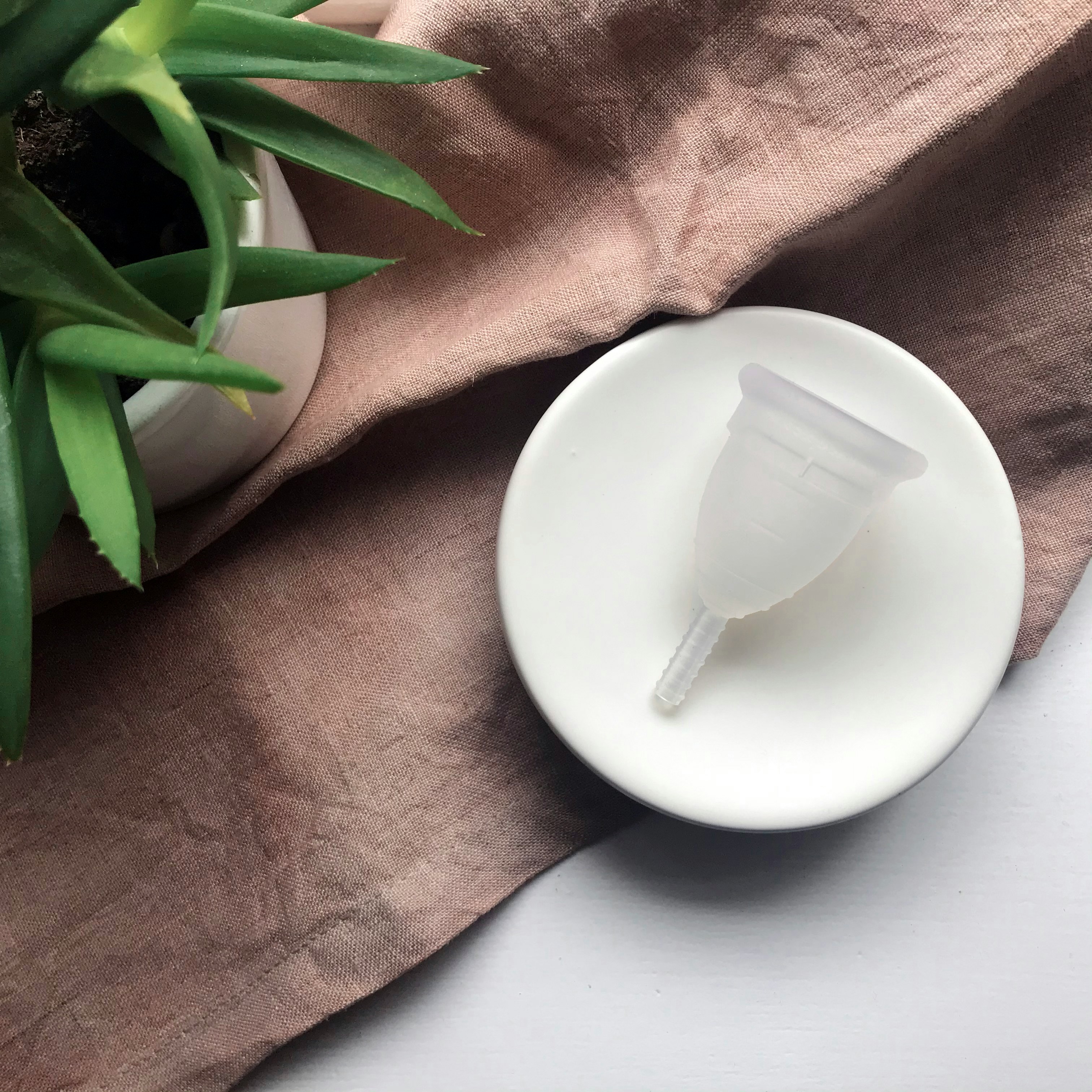
Medical-grade silicone menstrual cups are the lowest-intervention menstrual product available. They contain no bleaching agents, no fragrance, no absorbent chemicals, and produce no waste beyond the cup itself, which lasts up to ten years with proper care. They collect rather than absorb menstrual fluid, which means they do not disrupt vaginal moisture or pH the way absorbent products can. A 2019 Lancet Public Health systematic review of 43 studies found menstrual cups safe and effective, with leakage rates comparable to disposable products after a learning period. The learning curve is real but typically resolves within two to three cycles.
Menstrual discs sit in the vaginal fornix (higher than a cup) and are available in both reusable silicone and single-use forms. The reusable version offers the same benefits as a cup. Single-use discs reduce plastic waste compared to conventional tampons and pads but are not zero-waste. They are often easier to use during sexual activity than cups, which some people find relevant.
Period underwear uses an absorbent layer sewn into the gusset to collect menstrual flow. The category has improved significantly in materials transparency. A number of early-generation period underwear brands were found to contain PFAS in their leak-proof layers, and several faced class action lawsuits as a result. Brands that have publicly committed to PFAS-free manufacturing and published third-party testing results include Saalt and Aisle. Thinx settled a lawsuit in 2022 and has since reformulated, but given the history, independent third-party testing confirmation is worth seeking. Organic cotton as the top layer is preferable for the surface in contact with skin, and checking for current Oeko-Tex or PFAS-free certification is the most reliable way to verify any brand's claims.
Conventional tampons and pads are made from cotton and/or rayon, which may be processed with chlorine bleaching. Modern elemental chlorine-free (ECF) and totally chlorine-free (TCF) processes have substantially reduced dioxin content. However, pesticide residues are a more active concern: conventional cotton is one of the most heavily pesticide-treated crops globally. Certified organic cotton tampons and pads avoid synthetic pesticide residues and are processed without chlorine bleaching. They are widely available and the price difference has narrowed.
Vulvar care
The external genitalia (vulva) can be washed with plain warm water. If a product is used, it should be unscented, fragrance-free, and pH-matched to the area (around 4.5–5). Avoid antibacterial soaps, which kill beneficial surface bacteria. Wear breathable, natural-fiber underwear (organic cotton is ideal), as synthetic fabrics trap heat and moisture, altering the local microenvironment and increasing susceptibility to infection.
Sun & After-Sun
Mineral Protection and Natural Recovery
Sun protection is one of the most evidence-supported interventions in all of skin health, which sets this section apart from much of what surrounds it. UV exposure is the primary driver of premature skin aging and a direct, well-established cause of skin cancer, and on that point there is no real scientific debate to hedge around. The question worth spending time on is therefore not whether to protect your skin from the sun but how to do it well, comfortably, and with a product you will actually reapply, since the best sunscreen in principle is worthless if it feels unpleasant enough that you routinely skip it. Everything that follows assumes that baseline, that some protection you will actually use beats perfect protection you will not.
Most of the practical decision comes down to the choice between mineral and chemical sunscreens, which differ both in how they work and in how they tend to be discussed. Mineral filters, chiefly zinc oxide and titanium dioxide, sit on the surface of the skin and block or scatter UV. Chemical filters absorb into the upper layers of skin and convert UV energy into a small amount of heat. Both are effective when used properly, and choosing between them involves real tradeoffs in feel, appearance, reef safety, and how thoroughly each has been studied, rather than a simple case of one being safe and the other not. Reef safety is a good example of how tangled these tradeoffs are: the chemical filters oxybenzone and octinoxate have been shown to harm coral in laboratory studies and are banned in places like Hawaii, which is why mineral formulas are widely marketed as reef safe, but the evidence behind those bans is contested, the tests were not standardized, and mineral filters are not automatically harmless to marine life either. The section below lays those tradeoffs out so you can choose on the facts rather than on marketing pushing in either direction.
Mineral vs. chemical sunscreen
Zinc oxide and titanium dioxide work by physically sitting on the skin's surface and deflecting UV rays. They are not absorbed systemically; studies measuring blood levels after application have found negligible absorption of both compounds. The FDA classifies both as generally recognized as safe and effective (GRASE). Zinc oxide provides broad-spectrum UVA and UVB protection on its own; titanium dioxide is stronger in the UVB range and is often combined with zinc oxide for full-spectrum coverage. The practical downside, visible white cast, has been largely addressed by modern formulations using micronised or non-nano zinc oxide. Non-nano zinc oxide (particles above 100 nanometres) does not penetrate the skin and is preferable over nano-particle versions. Look for non-nano explicitly on the label.
Chemical sunscreen filters (oxybenzone, octinoxate, avobenzone, homosalate, octisalate, octocrylene) absorb UV radiation and convert it to heat. Unlike mineral filters, they are absorbed into the skin and enter the bloodstream. A 2019 FDA pilot study published in JAMA found oxybenzone, octinoxate, octocrylene, and ecamsule reached blood concentrations above the threshold requiring additional safety testing after just one day of application. A 2020 follow-up confirmed these findings across multiple filters, with some persisting in the bloodstream for at least 21 days. The FDA has stated it cannot yet rule out endocrine-disrupting effects from some filters. Oxybenzone and octinoxate are also banned in several jurisdictions due to documented harm to coral reefs.
What to look for in a mineral sunscreen
- Zinc oxide as the active ingredient, SPF 30 minimum (SPF 50 for extended outdoor exposure)
- Non-nano zinc oxide where possible
- No oxybenzone, octinoxate, or other chemical filter mixed in
- Fragrance-free. Sunscreen is applied to the whole body and left on, so fragrance exposure from sunscreen is cumulatively significant.
- Water-resistant formulation for outdoor activities (rated at 40 or 80 minutes)
Reapplication
SPF number is only meaningful if sunscreen is applied in sufficient quantity and reapplied correctly. Most people apply roughly a quarter of the amount used in SPF testing. The standard guidance is two milligrams per square centimetre of skin, about a teaspoon for the face and neck and a shot glass worth for the body. Reapplication every two hours is necessary when outdoors, regardless of SPF. Clothing and shade remain the most reliable forms of protection and should be the primary strategy, with sunscreen filling the gaps.
After-sun care
After-sun products address two things: inflammation and moisture loss. Sun exposure triggers an inflammatory response in the skin; soothing this reduces the visible burn and supports faster recovery.
Aloe vera gel taken directly from a fresh plant leaf is well-supported as an anti-inflammatory. The inner gel contains compounds including acemannan, polyphenols, and anthraquinones with documented anti-inflammatory and wound-healing activity. Growing a plant and using the fresh inner gel is the most direct route to the real thing. For a store-bought option, look for products that list Aloe barbadensis leaf juice as the first ingredient, are cold-processed, and are preserved without parabens or phenoxyethanol, particularly important for products used post-sun on compromised skin.
Calendula has documented anti-inflammatory and skin-healing properties and is gentle enough for compromised skin. Look for formulations made from whole calendula flowers infused in a carrier oil rather than isolated extracts. Colloidal oatmeal has strong evidence for reducing inflammation and itching in compromised skin and is recognized by the FDA as a skin protectant, an oat bath in lukewarm water is effective for widespread sunburn. Coconut oil is useful as a sealant to prevent further moisture loss after sun exposure, but should not be applied to actively hot or burning skin as it can trap heat. Cool water, not ice: the immediate response to sunburn is cool but not cold water. A cool shower or compress for ten to fifteen minutes reduces skin temperature and inflammation before any topical product is applied.
Body Care
Body Exfoliation, Shaving, and Skin Care Below the Neck
The body gets considerably less attention than the face in most skincare conversations, but the principles are the same. The acid mantle exists on body skin too, sebum production varies by area, and the products used daily on large surface areas contribute significantly to cumulative ingredient exposure.
Body exfoliation
Dry brushing, sweeping a firm natural-bristle brush over dry skin before showering, removes dead skin cells mechanically, stimulates lymphatic circulation, and improves the penetration of any oil or moisturizer applied afterwards. Use short, firm strokes toward the heart, starting at the feet and working upward. Avoid broken or inflamed skin. Use a brush with natural boar or plant-based bristles rather than synthetic, and wash the brush weekly. Body scrubs with sugar and fine sea salt dissolve quickly and are safe. Walnut shell powder, apricot kernel, and pumice have irregular, sharp edges that cause micro-tears and are not recommended for regular use.
Keratosis pilaris (KP), the rough, bumpy texture on the backs of the upper arms and thighs, is caused by a buildup of keratin in hair follicles, not dry skin. Physical scrubbing provides temporary improvement but does not address the cause. The most effective natural approach combines gentle chemical exfoliation (lactic acid lotion at 10 to 12%, applied consistently) with a barrier-supporting moisturizer. Urea at 10 to 20% is also highly effective for KP.
Shaving
Most shaving irritation is caused by poor prep and technique rather than the product itself. Shaving on dry skin, against the grain without adequate lubrication, or with a dull blade causes razor burn, ingrown hairs, and folliculitis regardless of what shaving cream is used. The fundamentals: shave after or during a warm shower when the hair is hydrated and the follicle is open, always in the direction of hair growth for the first pass, with a sharp blade and sufficient slip on the skin.
Natural shaving lubricants: A thin layer of a non-comedogenic oil (jojoba, sweet almond) provides enough slip for a close shave and doubles as a moisturizer post-rinse. Unscented castile soap lathered with a shaving brush is another minimal option. Avoid conventional shaving gels with synthetic fragrance, which is applied to freshly opened follicles and absorbs readily.
Ingrown hairs are most effectively prevented by chemical exfoliation between shaves. A salicylic acid (BHA) lotion or glycolic acid applied two to three times weekly to prone areas dissolves the keratin that traps hairs beneath the surface.
Natural aftershave alternatives: Conventional aftershaves are primarily alcohol with synthetic fragrance, both of which are actively disruptive to freshly shaved skin. Witch hazel (alcohol-free version) has mild anti-inflammatory and astringent properties and is a reasonable natural option. Aloe vera gel from a fresh plant, or a fragrance-free toner applied to the skin, provides cooling and anti-inflammatory benefit without the irritation risk.
Nail Care
What's in Nail Polish and What Cleaner Looks Like
Nail polish is one of the most chemically dense products in the average personal care routine and one of the least scrutinised. The combination of plasticizers, film formers, solvents, and colorants in a conventional polish represents a significant chemical exposure, applied repeatedly to thin nail tissue and inhaled during application in an enclosed space.
What the numbers mean
The "free" numbering system refers to the number of specific chemicals a formula excludes, a self-reported marketing claim with no independent certification behind it, but the chemicals being excluded are real and the distinctions matter. 3-free removes formaldehyde (a known carcinogen and allergen), toluene (a neurotoxin at high exposure), and dibutyl phthalate (DBP, an endocrine disruptor). Most mainstream brands are now at least 3-free. 5-free adds formaldehyde resin and camphor. 7-free further removes ethyl tosylamide and xylene. 10-free and beyond progressively remove additional plasticizers, parabens, synthetic fragrance, and animal-derived ingredients. The practical recommendation is to look for at minimum 7-free and ideally 10-free or beyond, with no synthetic fragrance. Brands including Zoya, Ella + Mila, Kure Bazaar, and Orly have 10-free or higher formulations widely available.
Nail health and natural care
Nail brittleness and breakage are most commonly caused by dehydration of the nail plate from repeated water exposure and acetone-based removers, not a nutritional deficiency. Keeping nails hydrated by applying a cuticle oil (jojoba and vitamin E are ideal) daily to the cuticle and nail plate, and using an acetone-free remover where possible, is more effective than most supplements marketed for nail health. Biotin supplementation (2.5mg daily) does have clinical backing, a published study found it increased nail thickness by 25% in brittle nail patients over six months, but biotin supplementation can interfere with certain blood test results (particularly thyroid and cardiac troponin tests), which is worth noting before starting.
Gel polish requires UV curing (increasing UV exposure to the hands with each application) and acetone removal that strips the nail plate substantially with each soak-off. If gel is used regularly, a dedicated nail-strengthening treatment and consistent cuticle oil use between applications are important. Avoid removers with synthetic fragrance, applied to the fingernails and inhaled, the exposure is concentrated in a small space.
Fragrance
Perfume, Cologne, and the Most Opaque Category in Personal Care
Fragrance as a product category (perfume, eau de toilette, eau de parfum, cologne) receives almost no scrutiny in natural personal care conversations, despite representing potentially the highest single-dose fragrance chemical exposure in most people's routines. A single fragrance product can contain several hundred individual chemical compounds, none of which are required to be disclosed on the label in the EU, US, UK, or most other markets.
How fragrance products are regulated
In the EU, 26 fragrance allergens must be disclosed on cosmetic labels if present above certain concentrations. The EU is moving toward requiring disclosure of a further set of allergens. In the US, fragrance ingredients are protected as trade secrets and do not require individual disclosure, "fragrance" as a single listing covers everything. In the UK post-Brexit, the EU 26-allergen rule still applies. Even in the EU, the remaining dozens to hundreds of compounds in a fragrance formula are still unlisted. A perfume labelled "natural" or "botanical" may still contain synthetic fixatives, preservatives, and solubilisers that are not disclosed.
Natural vs. synthetic fragrance
Natural fragrance refers to fragrance compounds derived from plant, animal, or mineral sources. It does not mean the fragrance is non-allergenic or non-irritating. Natural fragrance compounds include some of the most potent contact allergens identified, including limonene, linalool, eugenol, cinnamal, and geraniol, all naturally occurring in essential oils. Synthetic fragrance compounds are chemically identical to or structurally similar to their natural counterparts but produced through synthesis. Some synthetic musks have raised concerns about environmental persistence and endocrine disruption. The natural versus synthetic distinction in fragrance is not a reliable proxy for safety or allergen risk.
The safest fragrance approach for those with sensitivity is fragrance-free products across the rest of the routine, with any fragrance worn applied to clothing rather than directly to skin. For those building a natural fragrance collection, solid perfumes in a wax base (beeswax or candelilla) expose the skin to less solvent than alcohol-based sprays.
Phthalates in fragrance
Phthalates, particularly diethyl phthalate (DEP), are widely used in conventional fragrance as plasticizers and fixatives that slow the evaporation of fragrance compounds. They are not disclosed as individual ingredients, appearing instead under the "fragrance" listing. DEP is an endocrine disruptor with evidence of effects on reproductive development in animal studies; the EU has restricted several phthalates in cosmetics. Brands that explicitly state "phthalate-free" or "DEP-free" are disclosing more than required, which is a useful signal. Alcohol-based natural perfumes without phthalates are increasingly available; the alcohol itself (typically ethanol from fermented plants) acts as a carrier and does not require synthetic fixatives to achieve reasonable longevity.
Lifestyle
Diet, Sleep, and Stress: the Internal Inputs Most Products Cannot Replace
Personal care products work on the surface. The condition of skin, hair, nails, and the oral environment is also shaped by what is happening internally. Nutrition, sleep quality, and stress levels influence sebum production, barrier function, inflammation, hair cycling, and the composition of the microbiome. No topical routine fully compensates for significant deficits in these areas.
Diet and skin
The gut-skin axis, the bidirectional relationship between gut microbiome composition and skin health, is an active area of research with meaningful findings. Dysbiosis is associated with increased systemic inflammation that manifests in skin conditions including acne, eczema, psoriasis, and rosacea. Probiotic supplementation and dietary patterns that support microbiome diversity (high fiber, fermented foods, low processed sugar) have shown benefit in several skin condition studies.
Sugar and refined carbohydrates increase insulin and IGF-1 levels, which stimulate sebaceous gland activity and androgen production. Multiple studies have found associations between high glycaemic index diets and acne severity. Omega-3 fatty acids (EPA and DHA from oily fish or algae-derived supplements) are anti-inflammatory, with early evidence suggesting a possible role in reducing acne severity and improving skin barrier function. Zinc is essential for wound healing, immune function, and sebum regulation; deficiency is associated with acne, slow wound healing, and hair loss. Vitamin D deficiency is associated with increased incidence of eczema, psoriasis, acne, and slower wound healing; supplementation at 1000 to 2000 IU daily through winter months is broadly recommended. Dairy has a complex relationship with skin, the association between dairy consumption and acne is real in the research but individual variation is high. Hydration: drinking more water does not meaningfully improve skin hydration in people who are not clinically dehydrated; skin barrier function is maintained by lipids, not by water intake.
Sleep and skin
Sleep is when the majority of cellular repair occurs. Growth hormone secretion peaks in the first hours of deep sleep and drives cell regeneration, collagen synthesis, and barrier repair. Transepidermal water loss is higher during sleep than during waking hours, which is one reason overnight moisturizers and occlusive treatments are more effective than their daytime equivalents.
Chronic sleep deprivation measurably accelerates skin aging. A study published in Clinical and Experimental Dermatology found that poor sleepers showed increased signs of intrinsic aging and significantly slower recovery from UV exposure and barrier disruption than good sleepers. Cortisol (elevated by poor sleep) degrades collagen and promotes inflammatory processes in the skin.
Sleep position affects skin long-term. Side and front sleeping creates repeated mechanical compression of the same facial areas, which over years contributes to sleep lines that become permanent creases. Sleeping on a silk or satin pillowcase reduces friction and moisture absorption compared to cotton. The pillow itself accumulates sebum, dead skin cells, hair product residue, and bacteria rapidly, changing pillowcases every two to three days is particularly relevant for acne-prone skin.
Stress and the body
Cortisol, the primary stress hormone, increases sebum production by stimulating sebaceous glands directly, the primary reason many people experience breakouts during periods of high stress. It also degrades collagen and hyaluronic acid in the dermis, impairs barrier function by reducing ceramide and lipid production, and promotes systemic inflammation that exacerbates eczema, psoriasis, and rosacea flares.
Hair and stress. Telogen effluvium, sudden diffuse hair shedding, is one of the most direct and well-documented stress-hair relationships. A significant stressor can shift a large proportion of hair follicles simultaneously into the resting phase (telogen), resulting in shedding two to three months later. Telogen effluvium is self-resolving once the stressor is removed, though recovery takes several months and can be supported by ensuring adequate protein, iron, and zinc.
The oral environment. Chronic stress reduces saliva production and increases cortisol in saliva, which alters the oral microbiome. Stress is associated with increased rates of gum disease, canker sores, and bruxism (teeth grinding). A night guard for bruxism is one of the more impactful interventions for people who grind in their sleep, custom-fitted versions from a dentist are considerably more effective than over-the-counter options.
Does It Work
Natural Doesn't Always Mean Effective
Natural personal care products vary enormously in how well they do what they claim. Some outperform their conventional counterparts; others are insufficient for the job. The instinct to trust something because it has a short ingredient list or comes from a plant is understandable, but it can lead to undercleaning, inadequate sun protection, or dental problems if applied without scrutiny.
Coconut oil is highly occlusive and has antimicrobial properties, but it is also comedogenic for most people, meaning it clogs pores. It works well on hair, body, and as a lip treatment. On the face, particularly for anyone prone to breakouts, it tends to cause problems. Jojoba or squalane are better-suited facial alternatives.
Baking soda does neutralize odor-causing bacteria effectively. The problem is pH: baking soda is quite alkaline, and underarm skin sits at a slightly acidic pH. Daily use can cause irritation, rash, and over time, hyperpigmentation in some people. Low-concentration formulations or magnesium hydroxide-based deodorants achieve similar odor control with considerably less irritation risk.
Tea tree oil, lavender, and other essential oils have demonstrated antimicrobial activity in lab settings, but the concentrations needed for reliable preservation in a cosmetic product are generally higher than what is safe or pleasant to use on skin. DIY products that rely on essential oils alone as preservatives have a short shelf life and carry contamination risk. This is not a reason to avoid them as functional ingredients at appropriate concentrations, but not a reason to treat them as a replacement for a proper preservation system in water-containing products.
ACV is mildly acidic and helps restore the scalp's pH after alkaline shampoos, which smooths the hair cuticle and can reduce frizz. It also has antifungal properties that may help with mild dandruff. The key is dilution: undiluted ACV is too acidic for regular direct application and can damage the hair shaft over time. One to two tablespoons per cup of water is a reasonable working concentration.
Going fluoride-free has a real functional cost if the replacement does nothing for remineralization. Plain baking soda and charcoal toothpastes clean teeth but do not rebuild enamel. Hydroxyapatite-based formulas are the exception, with evidence for their remineralization effect growing and comparable to fluoride in several clinical studies, though the research base is smaller. If you choose fluoride-free, hydroxyapatite is the only alternative worth taking seriously for cavity prevention.
Natural deodorants address odor but do not stop sweating. For many people this is a perfectly workable tradeoff, since sweat itself is odourless and the smell comes from bacteria metabolizing it. For others, the sweating itself is the concern, whether in professional situations, during physical activity, or with certain fabrics, and no natural deodorant addresses that directly. This is a real functional difference worth being honest about.
Easy Swaps
Simple Replacements That Actually Hold Up
The swaps below work with minimal adjustment. They do not require making anything from scratch, sourcing obscure ingredients, or accepting worse results. Each replaces something with a long ingredient list with something considerably shorter.
Body
The most functional natural deodorants use magnesium hydroxide, zinc ricinoleate, or low-concentration baking soda to neutralize odor-causing bacteria without blocking sweat glands. Magnesium-based formulas are the gentlest on skin pH. Most people require a two to four week adjustment period when switching from antiperspirant. Applying deodorant to clean, dry skin rather than immediately post-shower improves performance considerably.
Buying a natural deodorant? Look for magnesium hydroxide or zinc ricinoleate as the active ingredient rather than baking soda alone. Fragrance-free formulas reduce irritation risk significantly. Native Unscented, Primally Pure, and Necessaire The Deodorant (fragrance-free) are widely available options with clean ingredient lists.
Hands are washed more frequently than any other body part, which makes them particularly vulnerable to acid mantle disruption and barrier breakdown. Most conventional hand soaps use SLS or SLES as the primary surfactant and contain synthetic fragrance, which adds up quickly with repeated daily use. A castile soap or syndet bar is a practical swap for the sink. For hand moisturizer, a small amount of pure shea butter or jojoba oil applied while hands are still slightly damp is more effective than most conventional hand creams. If the skin is cracked or broken at the knuckles, pure lanolin applied at night and covered with cotton gloves is one of the most effective barrier repair options available.
Prefer a store-bought hand soap? Look for decyl glucoside or sodium cocoyl isethionate as the surfactant, no synthetic fragrance, and a pH between 4.5 and 6. Everyone Soap and Puracy Natural Liquid Hand Soap are accessible options. For hand cream, Neutrogena Norwegian Formula Fragrance-Free and Weleda Skin Food are both short-list, effective options widely available in pharmacies.
Skin and body
Most conventional body lotions are primarily water, which requires emulsifiers, thickeners, and preservatives to hold the formula together. A single oil applied to slightly damp skin after a shower skips all of that. Jojoba is closest to skin's natural sebum and is non-comedogenic. Squalane, derived from sugarcane or olives, is lightweight and shelf-stable. Sweet almond and apricot kernel oils absorb readily and suit most skin types well. Coconut oil is effective but quite occlusive, working better on the body than the face for most people.
Prefer a store-bought lotion? Look for one where a plant oil or shea butter is in the first three ingredients, not water. Avoid synthetic fragrance, parabens, and PEG compounds. Fragrance-free, short-ingredient body butters from brands like Weleda are a reasonable middle ground.
Castile soap is made from plant oils, traditionally olive, and contains no surfactant cocktail, synthetic fragrance, or plastic packaging concerns. It cleans well. The main adjustment is that it sits at a slightly higher pH than skin's natural range, so following with a light moisturizer, or applying to already-moisturized skin, makes a difference. Unscented versions are widely available.
Prefer a conventional body wash? Look for one with decyl glucoside or sodium cocoyl isethionate as the primary surfactant rather than SLS or SLES, no synthetic fragrance. Cetaphil Gentle Skin Cleanser and Vanicream Gentle Body Wash are widely available, minimal-formula options.
Most conventional lip balms contain petrolatum (petroleum jelly), synthetic fragrance, and occasionally flavoring agents. Pure lanolin, a wool-derived wax-ester, is one of the most effective occlusive moisturizers available and requires no additives to function. Pure beeswax balms with a carrier oil such as castor or shea are another clean option, and both are available without flavoring, dye, or synthetic preservatives.
Buying off the shelf? Avoid camphor, menthol, salicylic acid, and any flavoring or fragrance. Look for balms where beeswax, shea butter, or lanolin is the first ingredient. Unscented versions of Badger Balm and plain lanolin (sold as Lansinoh or Medela nipple cream) are all clean options widely available in pharmacies.
Hair
The primary issue with most conventional shampoos is the surfactant system. Sodium lauryl sulfate (SLS) and sodium laureth sulfate (SLES) strip the scalp's natural oils aggressively, which triggers increased oil production and a cycle of over-washing. Sulfate-free shampoos use gentler surfactants and sit much more comfortably within the scalp's natural pH range. Shampoo bars go further, eliminating preservatives and plastic entirely, though they do require an adjustment period of one to three weeks while the scalp recalibrates its oil production, this is normal and temporary.
Staying with a liquid shampoo? Look for sulfate-free on the label and check that the first surfactant listed is sodium cocoyl isethionate, cocamidopropyl betaine, or decyl glucoside. No synthetic fragrance. No silicones (dimethicone, cyclopentasiloxane). Briogeo Scalp Revival and Free & Clear are accessible options with clean formulations.
Conventional conditioners work primarily by depositing silicones onto the hair shaft to create a smooth feel. This works, but the buildup requires stronger cleansers over time. A light oil applied to the ends before washing is a clean alternative for most hair types. A diluted apple cider vinegar rinse after shampooing (one tablespoon per cup of water) is another option that smooths the cuticle and restores the hair's slightly acidic pH without buildup. Both work best for straight to wavy textures; curlier hair typically needs more moisture than either provides alone.
Prefer a store-bought conditioner? Look for behentrimonium methosulfate or cetearyl alcohol as the conditioning base, both gentle and plant-derived. Avoid silicones (dimethicone, amodimethicone), synthetic fragrance, and parabens. Innersense Organic Beauty and SheaMoisture are worth investigating by hair type.
Face
Oil cleansing works on the principle that like dissolves like: a plant oil massaged into dry skin dissolves excess sebum and makeup, and is then removed with a warm damp cloth. Castor oil is traditionally used as a base for its mild astringent properties and is usually blended with a lighter carrier oil. Jojoba, rosehip, and hemp seed oil are commonly used depending on skin type. The approach suits most skin types, including oily skin, and removes the need for a separate makeup remover.
Prefer a store-bought face cleanser? Look for a low-pH gel or cream cleanser with no SLS, no synthetic fragrance, and no alcohol high on the ingredient list. CeraVe Hydrating Cleanser and La Roche-Posay Toleriane are formulated at skin-compatible pH levels with minimal irritants.
Most toners do very little that a simple water rinse does not, with the exception of products containing active ingredients like niacinamide or exfoliating acids. If the goal is simply to remove residue and prep skin for moisturizer, plain water or a simple rose water (distilled water and rose extract, no alcohol or fragrance) does the job without the ingredient list.
Using a store-bought toner? Avoid alcohol (ethanol or denatured alcohol) as a top-five ingredient. Look for hydrating toners where glycerin, aloe vera juice, or hyaluronic acid leads. Klairs Supple Preparation Toner and Thayers Alcohol-Free Witch Hazel (fragrance-free version) are accessible options formulated at appropriate pH levels without fragrance or alcohol.
Before You Buy
Before You Buy
Most people will not switch every product at once, and most will continue buying at least some things in-store rather than making them from scratch. This section is a practical toolkit for doing that more thoughtfully: understanding what claims mean, which certifications are worth trusting, and how to read an ingredient list quickly without needing a chemistry background.
Claims on packaging and what they actually mean
Neither term is regulated in personal care in most countries. Any brand can print "natural" or "clean" on a product without meeting a defined standard. These words tell you the brand's marketing position, not the product's formulation. Treat them as a prompt to read the ingredient list, not as a conclusion.
"Organic" on a personal care product does not have legal meaning unless accompanied by a certification logo. A product can state "made with organic ingredients" while containing 1% certified organic material and 99% synthetic base. Look for the certifying body's logo, not the word alone.
These are not the same. Fragrance-free means no fragrance compounds have been added. Unscented means masking fragrance has been used to neutralize any odor from the base ingredients, producing a product that smells of nothing but still contains fragrance chemicals. For anyone with fragrance sensitivity or a preference for minimal formulas, fragrance-free is the correct label to look for.
Both are unregulated claims with no defined standard. "Hypoallergenic" means the manufacturer believes the formula is less likely to cause allergic reactions; it does not mean it has been tested to any threshold. "Dermatologist tested" means a dermatologist reviewed or tested the product in some form; it says nothing about what the testing found. These claims are worth less than reading the ingredient list yourself.
Also unregulated as a standalone term, but several certifying bodies provide meaningful third-party verification. Leaping Bunny (US/Canada/UK) requires no animal testing at any stage of production, including by ingredient suppliers, a higher bar than most alternatives. A brand that sells in mainland China may legally be required to conduct animal testing under Chinese regulations, regardless of what its packaging states.
Certifications worth trusting
- COSMOS Organic / COSMOS Natural is the most rigorous cosmetics standard internationally, covering ingredient sourcing, processing, and manufacturing. COSMOS Organic requires a minimum percentage of organic ingredients and is recognized across the EU, UK, and increasingly in the US.
- USDA Organic, when applied to personal care products, requires 95% or more certified organic ingredients. Less common in personal care than COSMOS but carries equivalent rigour where it appears.
- EWG Verified requires full ingredient disclosure, avoidance of EWG-flagged chemicals, and good manufacturing practices. A useful signal for brands with transparency as a commitment.
- Leaping Bunny is the most thorough cruelty-free certification, covering the entire supply chain.
- B Corp certifies overall business practices rather than product formulation, but brands that hold B Corp status are audited for environmental and social accountability across their operations, a useful signal of seriousness, not a formulation guarantee.
Reading an ingredient list in under a minute
- Scan the first five ingredients, which make up the majority of the product. This is what the product actually is.
- Look for "fragrance" or "parfum" anywhere in the list. If present, treat it as an unknown quantity of undisclosed compounds.
- Check for SLS or SLES in any cleanser. If either appears in the first three ingredients, the formula is likely to be harsh.
- Look for petrolatum, mineral oil, or paraffin in moisturizers if you prefer to avoid petroleum derivatives.
- If the list is very long and most words are unrecognisable, note that INCI naming makes familiar things look foreign, but a very long list of synthetic compounds in a product claiming to be natural is worth pausing on.
Using databases and apps
Several free tools allow you to check a product or ingredient before you buy. The Environmental Working Group's Skin Deep database (ewg.org/skindeep) rates products and ingredients on a hazard scale based on available research. It is a useful starting point, though its scoring system is sometimes criticized for weighting theoretical hazards over demonstrated risk at typical use concentrations. Think Dirty and INCI Decoder are alternative apps with different approaches. No database is complete or infallible, but cross-referencing a product against one of these before purchasing is a quick practical step, particularly for products used daily on large skin areas.
Key ingredients to know
Ingredient lists follow INCI (International Nomenclature of Cosmetic Ingredients) naming, which can make familiar ingredients look unfamiliar. Jojoba oil becomes Simmondsia chinensis. Vitamin E becomes tocopherol. This is a standardized naming convention, not deception. What is worth scanning for are the fragrance, preservative, and surfactant categories covered throughout.
Plastic-Free
Keeping Plastic Out of the Routine
Personal care generates a significant volume of single-use plastic: toothbrushes, disposable razors, shampoo bottles, body wash bottles, cotton swab stems. Most of it is not recyclable in standard curbside programs. The replacements below are not compromises; most hold up well by functional measures too.
Bathroom tools
- Toothbrush: Bamboo toothbrushes with nylon bristles are the most accessible plastic-free option. The handles are compostable but the bristles are not, so they should be removed before composting. Replace every three months or after illness.
- Floss: Conventional dental floss is made from nylon and often coated in PFAS. Compostable silk floss or plant fiber floss is available without the coating concern, and where possible should be waxed with candelilla rather than synthetic wax.
- Loofah: The natural loofah gourd is an actual plant that, when dried, is biodegradable and compostable. Synthetic mesh loofahs are plastic. The natural version dries faster, which reduces bacterial buildup. Replace monthly or when it begins to discolour.
- Cotton swabs: Paper-stem or bamboo-stem swabs replace plastic-stem versions with no functional difference and are now widely available.
- Razor: A safety razor with replaceable metal blades produces a fraction of the waste of disposable cartridge razors. The upfront cost is higher but the long-term cost is lower, and metal blades can be recycled through most metal recycling programs.
Packaging
- Shampoo and conditioner bars eliminate bottles entirely. Most brands now offer full-size bars equivalent to two to three bottles of liquid product.
- Solid cleansing bars replace body wash bottles. Castile soap in bar form is widely available.
- Deodorant in cardboard push-up tubes or glass jars is available from several natural brands.
- Refillable glass or aluminum containers for moisturizers and face oils are increasingly offered as a default by smaller brands and are worth seeking out when the product is otherwise a good match.
A note on microplastics
Plastic-free packaging reduces waste, but the microplastic concern in personal care goes further. Many conventional exfoliating scrubs historically used plastic microbeads, which are now banned in rinse-off products in several countries. Synthetic fragrance compounds, certain preservatives, and some film-forming polymers also contribute microplastic load in wash-off products. Shorter ingredient lists with recognisable base ingredients are the most direct way to avoid this.
On the difficulty of going plastic-free
Plastic-free personal care is a meaningful goal, but it is not always realistic, and it should not be a source of guilt. Many of the best-formulated, cleanest products still come in plastic. Access to alternatives varies by location, cost is a real barrier, and for some products, particularly in hair care for textured hair or specialist skincare, the plastic-free options are still limited or simply do not perform as well.
Making a few swaps where they are easy and affordable matters more than holding out for a perfect routine. A bamboo toothbrush and a bar of castile soap are meaningful changes. Using a well-formulated shampoo in a plastic bottle while waiting for a better alternative is not a failure.
Glossary
Terms Used Here
A reference for terms that appear throughout this guide without full explanation at every use.
The slightly acidic film on the skin's surface (pH 4.5 to 5.5) formed from sebum, sweat, and the byproducts of skin cell turnover. It is the skin's primary barrier against pathogenic bacteria and environmental damage. Cleansers formulated well above this range temporarily strip the mantle and leave skin more vulnerable until it re-forms, which is a large part of why a cleanser's pH matters as much as its ingredient list.
Water-soluble acids (glycolic, lactic, mandelic) that dissolve the bonds between dead skin cells and the skin's surface, promoting exfoliation and improving texture. Effective at pH 3 to 4. Because they work by thinning the outermost layer of dead skin, they also increase how easily skin burns in the sun, so daytime sun protection matters more, not less, once an AHA is part of a routine.
Oil-soluble acid (salicylic acid is the primary example) that penetrates into sebum-filled pores to dissolve blockages. Particularly effective for acne-prone and congested skin. Its oil solubility, working inside the pore rather than at the surface, is what distinguishes it from AHAs, and is why BHA tends to be favored for oily or congested skin while AHA is favored for surface texture and dullness.
Lipid molecules naturally present in the skin barrier that hold skin cells together and prevent moisture loss. Deficiency is associated with dry skin, eczema, and increased sensitivity. Harsh surfactants and frequent exfoliation both deplete ceramides faster than skin naturally replaces them, which is why a barrier that feels persistently tight or reactive often responds better to fewer, gentler steps than to more active ingredients.
Describes ingredients that tend to clog pores and contribute to comedones (blackheads, whiteheads). Comedogenicity varies by individual and skin type; the rating scales used in product descriptions are based on rabbit ear studies and are not always predictive in humans. In practice this makes a low comedogenicity rating a reasonable starting point rather than a guarantee, and the more reliable test for any one person's skin is simply whether a product causes breakouts with consistent use.
The international standard for organic and natural cosmetics, covering ingredient sourcing, processing, and manufacturing. The most rigorous and widely recognized cosmetics certification internationally. Certification speaks to how an ingredient was sourced and processed, not to how well the finished product performs, so it answers a different question than whether a product actually works.
An ingredient that softens and smooths the skin by filling gaps between skin cells. Plant oils, shea butter, and fatty alcohols are common emollients. Distinct from humectants (which draw water) and occlusives (which seal the surface). In a layered routine it typically sits in the middle, applied after a humectant has drawn moisture in and before an occlusive seals it at the surface.
An ingredient that draws moisture from the environment or deeper skin layers to the surface. Glycerin, hyaluronic acid, aloe vera, and urea are common humectants. Must be followed with an emollient or occlusive in dry conditions. In dry air, a humectant with nothing to seal it in can end up drawing moisture from the lower layers of skin rather than from the environment, leaving skin drier than before it was applied, which is the mechanism behind that advice rather than a general precaution.
International Nomenclature of Cosmetic Ingredients. The standardized naming system for cosmetic ingredients using Latin and scientific names. Jojoba oil becomes Simmondsia chinensis; vitamin E becomes tocopherol. Recognizing INCI names is most of what makes an ingredient label useful: the same ingredient marketed under a plant's common name on the front of a package is listed by its Latin binomial in the ingredients list itself.
A genus of yeast that is a normal resident of the scalp and skin. Overgrowth, typically triggered by excess sebum, pH disruption, or immune changes, is the primary cause of dandruff and seborrhoeic dermatitis. This is why effective dandruff treatments share an antifungal action rather than simply adding moisture, and why moisturizing shampoos alone tend not to resolve it.
The community of microorganisms (bacteria, fungi, viruses) that live on and in the body. The skin, scalp, oral cavity, gut, and vagina each have distinct microbiomes that play active roles in health and disease. Disrupting one of these communities, through harsh cleansing, antibiotics, or excessive product use, can allow less beneficial organisms to take over the niche a balanced microbiome would otherwise occupy.
An ingredient that sits on the skin's surface and physically prevents moisture from evaporating. Lanolin, beeswax, petroleum jelly, and shea butter are common occlusives. Most effective as the final step of a moisturizing routine, sealing in humectants applied underneath. Because it forms a physical barrier rather than treating the skin underneath, it works best on skin that has already been cleansed and treated, not as a substitute for those earlier steps.
Per- and polyfluoroalkyl substances. A class of synthetic chemicals used in many consumer products for water and grease resistance. They are persistent in the environment and the human body and are associated with a range of health concerns including endocrine disruption and immune effects. In personal care specifically, they turn up most often in long-wear and waterproof formulations, where resistance to water and oil is exactly what gives those products their performance.
A measure of acidity or alkalinity on a scale of 0 to 14. pH 7 is neutral; below 7 is acidic; above 7 is alkaline. Skin's natural pH is 4.5 to 5.5 (acidic). Many skincare actives require a specific pH range to function. Because many actives only work within a narrow pH window, a product's pH can matter as much as which active ingredients it contains.
Oil-producing glands in the skin attached to hair follicles. They produce sebum, a mixture of lipids that lubricates skin and hair and contributes to the acid mantle. Overactivity is associated with acne; underactivity with dry skin. Their density varies significantly across the body, and it's part of why the scalp, face, and back often behave differently enough to need distinct approaches rather than one routine applied everywhere.
The oily substance produced by sebaceous glands, composed of triglycerides, wax esters, squalene, and free fatty acids. Contributes to the acid mantle and skin barrier function. Malassezia feeds on certain fatty acids in sebum. Because Malassezia feeds on specific fatty acids within sebum rather than sebum as a whole, its composition, not just how much is produced, plays a role in conditions like dandruff.
Synthetic detergent bar. A cleansing bar formulated at a lower pH than traditional soap (typically pH 5 to 6 vs. soap's pH 9 to 11), making it considerably gentler on the skin's acid mantle. Often marketed simply as a "cleansing bar." The gap between pH 5 to 6 and pH 9 to 11 sounds small on paper but is substantial on a logarithmic scale, which is why switching from traditional soap to a syndet bar is one of the more noticeable changes a sensitive-skin routine can make.
A form of temporary hair loss where stress, illness, or nutritional deficiency causes a large proportion of hair follicles to enter the resting (telogen) phase simultaneously. Shedding occurs two to three months after the triggering event and is self-resolving once the cause is addressed. Because of that two-to-three-month delay, the trigger is often missed entirely, since the stressful event itself may be long resolved by the time the shedding becomes noticeable.
The rate at which water evaporates through the skin to the external environment. A measure of barrier function: high TEWL indicates a compromised barrier. Occlusives reduce TEWL by physically blocking evaporation. A moisturizer's effect is therefore often measured by how much it reduces TEWL rather than by how much water it adds, since holding existing moisture in is frequently more achievable than adding more.
The primary compounds responsible for bad breath, produced by bacteria metabolizing sulfur-containing proteins on the tongue and in the mouth. The main target of tongue scraping and certain mouthwash ingredients. Because the bacteria responsible live mainly on the back of the tongue rather than on the teeth, brushing alone typically addresses only part of the source.