Introduction
Home gardening carries a reasonable assumption: that food you grow yourself is cleaner, safer, and more nourishing than what you buy. That assumption is often true. But it isn't automatically true, and the gap between the two depends almost entirely on what's in your soil and water.
Closing that gap means understanding what contaminants can enter food through the growing environment, which crops carry more risk than others, and what practical steps reduce exposure. It's part of the same series as the Clean Water and Cultivating Healthy Soil: where those pages cover the underlying systems, this one focuses on what you grow, where you grow it, and how you handle what comes out of the ground.
A note before you read on
The goal is not to make growing food seem fraught. Most home gardens on reasonably managed land with decent water pose very little risk. The goal is to give you an honest picture so that the decision to grow, and what to grow, is an informed one, especially if your situation is anything other than straightforward.What's in the Ground
Soil Contaminants and How They Reach Food
Contaminants enter food through roots, through contact with contaminated soil during harvest, and through water that carries dissolved or suspended compounds into the plant. The path matters because it determines which crops are most exposed, which parts of the plant accumulate what, and which interventions actually reduce risk.
How plants take up contaminants
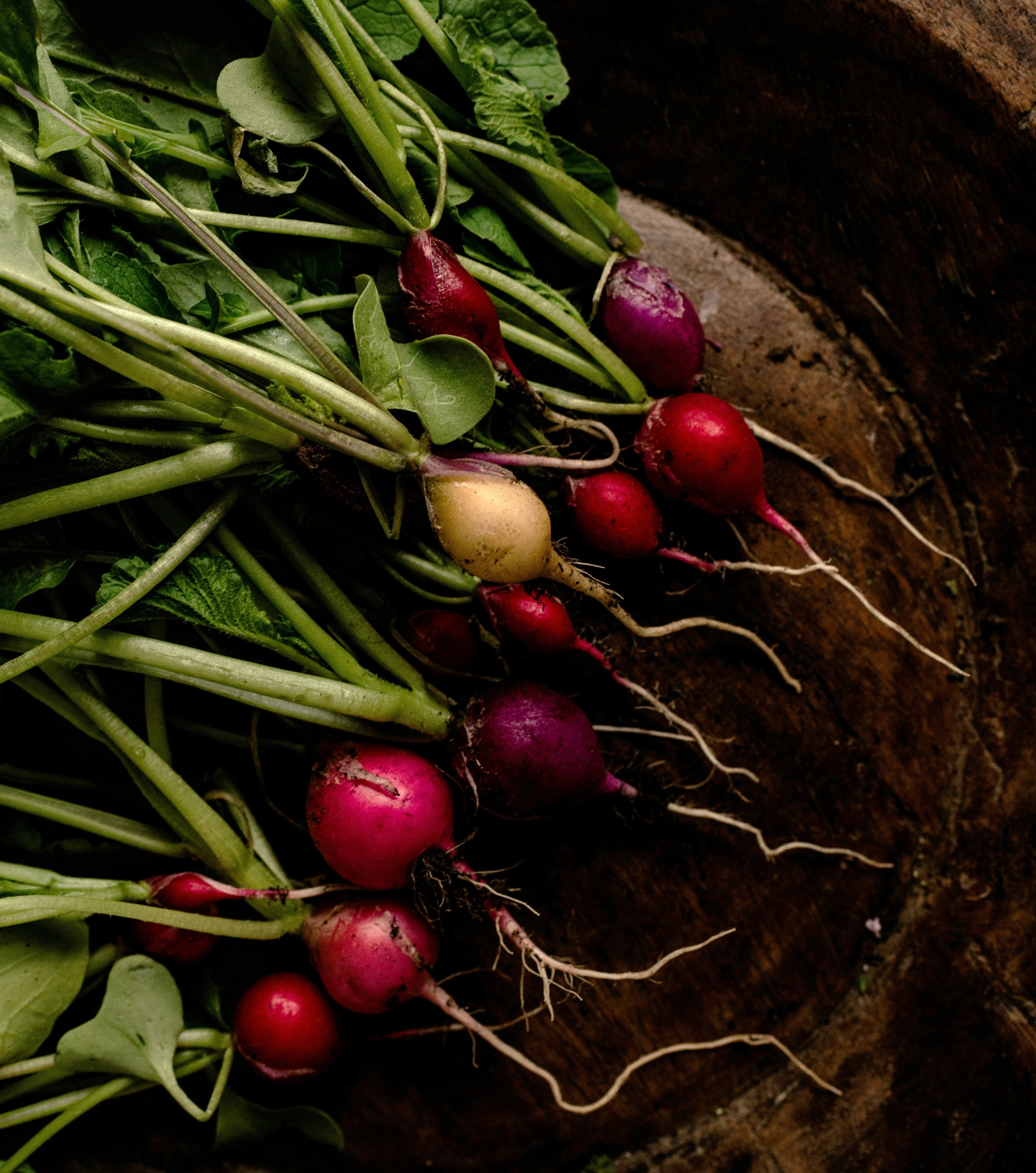
Plants absorb water and dissolved minerals through their roots. Some contaminants, heavy metals, nitrates, certain pesticide residues, dissolve in soil water and move into plant tissue the same way nutrients do. Others bind tightly to soil particles and are not readily absorbed even when present in quantity. The extent of uptake depends on the contaminant, the plant species, soil pH, organic matter content, and the specific growing conditions. This variability is why some crops in contaminated soil pose meaningful risk while others from the same plot may be essentially clean.
Where soil contamination comes from
Urban and suburban soils carry histories that rural soils often don't. Lead from old paint, especially from pre-1978 buildings, is the most widespread issue; it accumulates in the soil near foundations and persists essentially indefinitely. Roads, driveways, and older petrol stations contribute lead and other heavy metals to surrounding soils through decades of traffic. Industrial land and former industrial land carries site-specific contamination that can include solvents, arsenic, chromium, and petroleum compounds. Pesticide residues from prior agricultural or ornamental use can persist for years. PFAS (Per- and Polyfluoroalkyl Substances), increasingly ubiquitous, enters soil through contaminated water, certain types of compost, and direct deposition near industrial sites or airports. None of this is visible in the soil. Testing is the only way to know it's there.
The contaminants most relevant to food gardens
The most common heavy metal contaminant in urban and suburban garden soils. Unlike most soil problems, lead contamination is essentially permanent; it does not break down or leach away meaningfully over time.
Lead binds strongly to soil particles and is not highly soluble, which limits root uptake compared to nutrients like nitrogen. However, it does enter plant tissue, especially in leafy vegetables and root crops. The larger risk for many crops is not internal uptake but surface contamination, soil particles adhering to produce during harvest and handling. This is especially relevant for root vegetables and anything harvested close to the ground.
Test soil if your site has any risk factor: proximity to old painted buildings, near old roads or petrol stations, or unknown prior use. Most extension programs still reference the 300–400 ppm range as a trigger for raised beds or additional precautions in food gardens, but the EPA lowered its residential soil lead screening level to 200 ppm in January 2024 (100 ppm at properties with multiple lead sources), so the more protective current benchmark is well below older guidance. Even below those thresholds, increasing soil organic matter and keeping pH in the 6.5–7.0 range both reduce plant availability of lead. Wash produce thoroughly. Peel root vegetables. Grow fruiting crops (tomatoes, peppers, squash) rather than leafy greens and root crops if contamination is confirmed but remediation is not yet complete.
A naturally occurring element that becomes a concern in soils on agricultural land treated with arsenic-based pesticides historically, land near certain industrial sites, and some coastal or naturally arsenic-rich geologies.
Arsenic is more mobile in soil than lead under certain pH conditions and is taken up by plant roots more readily. Rice accumulates arsenic more than most crops due to the flooded growing conditions that increase its solubility. In garden settings, root vegetables and leafy greens show higher uptake than fruiting crops. Arsenic from old orchards, where it was used historically as a pesticide, can persist in soil decades after the last application.
If your site is a former orchard, near industrial land, or in a region with naturally elevated arsenic, test the soil specifically for arsenic. Maintaining pH above 6.5 reduces plant-available arsenic. Ensuring adequate phosphorus in the soil also reduces arsenic uptake, arsenate and phosphate share the same root uptake transporters, so phosphorus competes against arsenic for entry into the plant. Raised beds with clean soil are the most reliable mitigation where arsenic levels are elevated.
Per- and polyfluoroalkyl substances are a class of synthetic chemicals that do not break down in the environment and accumulate in living tissue. Contamination in garden soils is an emerging and incompletely understood concern.
PFAS enter soil through contaminated irrigation water, biosolid-based compost and fertilizers, and atmospheric deposition near industrial facilities, airports, and military installations where PFAS-containing firefighting foam has been used. Once in soil, PFAS are water-soluble and mobile; they move through the soil with water and are taken up through plant roots more readily than lead or arsenic. Leafy vegetables show higher accumulation than fruiting crops. Root vegetables vary by compound.
If you are near a known PFAS source, within several miles of a military base or airport, or in an area where biosolids were applied to agricultural land, testing both soil and irrigation water for PFAS is worth doing. Standard soil testing does not include PFAS; it requires a separate test from a lab with appropriate capability. Unlike lead, raised beds provide limited protection against PFAS if the water source is contaminated, the water brings the contamination directly to the root zone regardless of what soil is in the bed. In that situation, addressing the water source is the more important intervention.
Residues from past pesticide applications can persist in soil long after use has ceased. The most persistent compounds, organochlorines like DDT and chlordane, were banned decades ago but are still detectable in some soils today.
Organochlorine compounds bind strongly to soil organic matter and do not readily enter plant tissue, their main risk pathway in food is through animal products (meat, dairy, eggs) produced by animals grazing on contaminated pasture, rather than direct plant uptake. More water-soluble current-generation pesticides can be taken up through roots if soil residues are high enough, though this is uncommon in typical garden situations. The greater concern with modern pesticides in a home garden is applying them yourself, residues on produce from recent applications being the primary route of exposure.
For historic residues: test if your site is a former agricultural plot where heavy pesticide use is likely, or a former market garden. For current applications: observe pre-harvest intervals (the waiting time after application specified on every registered pesticide label), and wherever possible use integrated pest management approaches that reduce or eliminate synthetic pesticide use.
A heavy metal that occurs naturally in some soils and accumulates in others through phosphate fertilizer use and industrial deposition. Unlike lead, cadmium is readily taken up by plant roots and moves into edible tissue efficiently.
Cadmium follows similar root uptake pathways to zinc, a nutrient plants require, which is why plants absorb it relatively easily even at moderate soil concentrations. Leafy vegetables, especially spinach, lettuce, and chard, and root vegetables accumulate cadmium in edible tissue more than fruiting crops do. Wheat and other cereals are significant dietary cadmium sources globally, but in a garden context leafy greens and root crops are the primary concern. Unlike lead, washing and peeling reduces surface cadmium but does not address what has been taken up into the tissue itself.
Cadmium is most elevated in soils with a history of phosphate fertilizer application, cadmium is a natural contaminant of phosphate rock and concentrates in the resulting fertilizer. Long-term conventionally managed agricultural land may carry above-baseline cadmium from decades of phosphate use. Industrial deposition near smelters, battery manufacturing, and certain mining operations also elevates cadmium locally. Soil pH is important: cadmium becomes significantly more plant-available as pH drops below 6.0, which is one more reason to keep garden soil pH in the 6.5–7.0 range.
Test for cadmium specifically if your site is former agricultural land with heavy fertilizer history or near industrial sources. Maintaining soil pH above 6.5 and adequate zinc levels (zinc competes with cadmium for plant uptake) are the main in-soil management strategies. Raised beds with clean imported soil are the reliable fallback where cadmium levels are elevated.
What You Grow
Crop Choices and Contamination Risk
Not all crops carry the same risk in contaminated soil. The differences come down to which part of the plant is eaten, how the plant absorbs contaminants, and how much soil contact the edible portion has. Understanding these differences lets you make informed decisions about what to grow on a given site, especially while you are in the process of testing or remediating.
| Crop type | Heavy metal uptake | PFAS uptake | Soil contact risk | Notes |
|---|---|---|---|---|
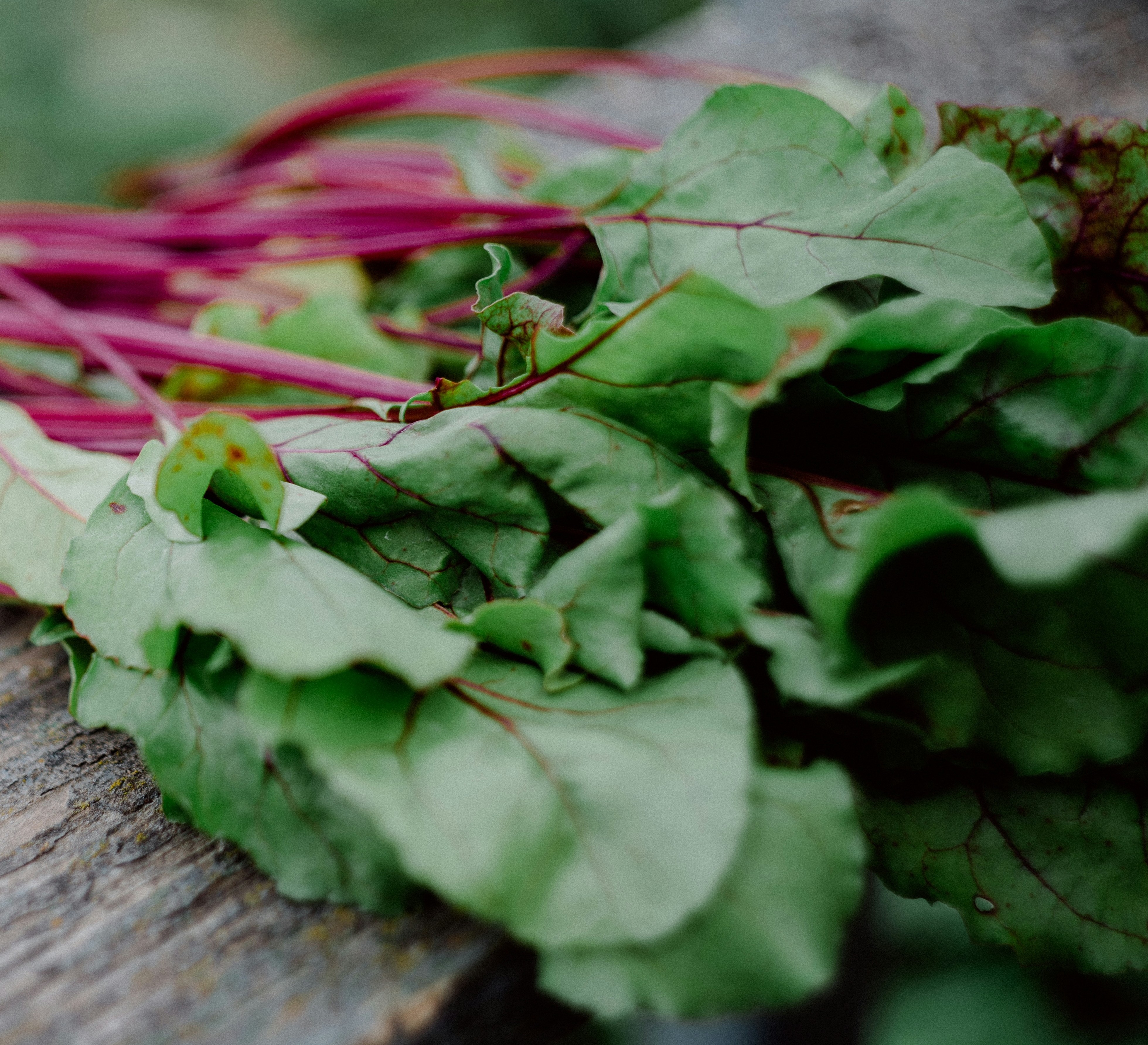
| Leafy greens | Higher | Higher | Moderate | Lettuce, spinach, chard, prioritize clean soil |
| Root vegetables | Moderate | Moderate | Higher | Carrots, beets, peel thoroughly; surface soil is the main risk |
| Fruiting crops | Lower | Lower | Lower | Tomatoes, peppers, squash, beans, safest choice on uncertain soil |
| Brassicas | Moderate | Moderate | Lower | Kale, cabbage, broccoli, moderate uptake; cook rather than eat raw on uncertain soil |
| Alliums | Lower | Lower | Moderate | Onions, garlic, leeks, lower uptake but peel outer layers |
| Herbs | Moderate | Moderate | Lower | Eaten in small quantities; relative risk in practice is low |
Risk levels are relative to each other and assume elevated contamination in soil. On clean or tested-and-cleared soil, all crop types are appropriate.
A note on herbs and small quantities
Herbs appear in the table with moderate ratings, but in practice the small quantities consumed make their actual contribution to dietary exposure minor. A handful of fresh basil contains trace amounts of whatever the soil holds, but across a whole diet that contribution is negligible compared to a salad bowl of spinach from the same plot. Proportionality matters when thinking about risk.
Fruiting crops as the practical default on uncertain soil
When soil contamination is suspected but testing hasn't yet been done, or while remediation is in progress, fruiting crops are the practical default. Tomatoes, courgettes, squash, cucumbers, beans, and peas all share the characteristic that the edible portion is produced above ground from the plant's own photosynthesis, with contaminant concentrations substantially lower than in leaves or roots. This is not zero risk, but it is meaningfully lower risk, and it allows productive growing to continue while longer-term soil work happens.
Starting Clean
Seeds, Seedlings, and What You Start With
The question of what goes into your food starts before anything is in the ground. The seeds and seedlings you plant carry their own chemical histories, treatments applied to protect them in storage and early growth, that matter particularly if you are growing food specifically to reduce chemical exposure.
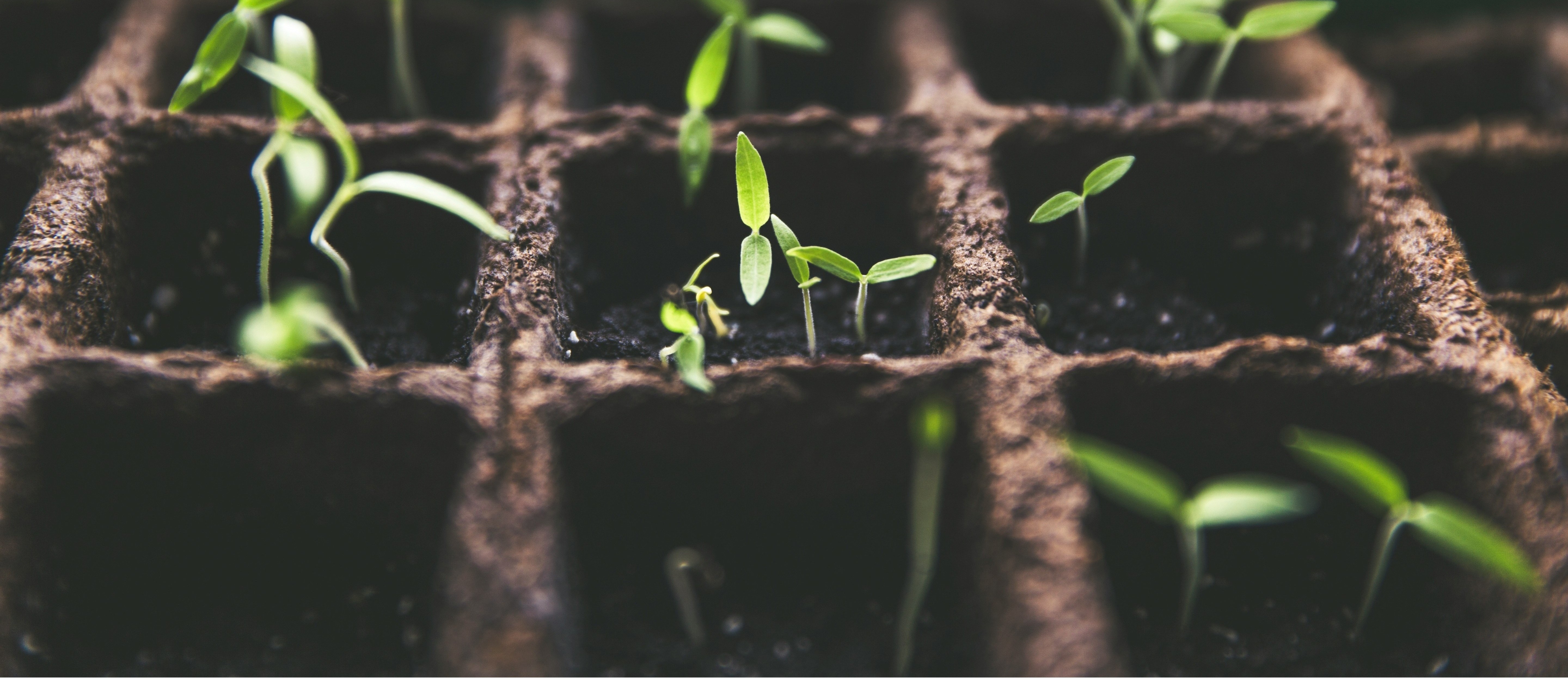
Treated seeds
Many conventionally sold seeds are coated with fungicide or insecticide treatments before packaging. These treatments protect the seed and emerging seedling from soil-borne pathogens and early-stage pests, but they introduce the very compounds you may be trying to avoid into your garden from the first day. Treated seeds are usually visibly colored, pink, red, blue, or green, as a safety warning. The treatment is on the seed coat and degrades over the first few weeks after germination, so residues in mature food are extremely low, but for anyone prioritizing a clean start, untreated seed is the straightforward alternative. Most seed suppliers offer untreated versions, and organic-certified seeds must be untreated.
Neonicotinoids in nursery plants
A more significant concern is systemic insecticide use in the production of plug plants and seedlings sold at garden centers. Neonicotinoids, a class of systemic insecticides that move through all plant tissue including pollen, nectar, and edible parts, are widely used in commercial nursery production to protect young plants in transit and on the shelf. Unlike surface sprays, systemic treatments cannot be washed off. They persist in plant tissue for weeks to months, which means that plug plants treated at the nursery may carry residues into the edible parts of what you harvest, particularly for fast-maturing crops like lettuce and leafy greens.
The way to avoid this is to raise your own plants from seed, or to source plug plants from certified organic nurseries that prohibit systemic pesticide use. If you buy from a conventional nursery and cannot confirm treatment history, growing the plant on for several weeks before harvest, allowing more time for residues to degrade, reduces but does not eliminate the issue.
Organic vs non-organic seed
Organic-certified seeds must be produced without synthetic pesticides or fertilizers. This matters less for residues on the seed itself, seeds are small and any surface treatments are declared on the packet, than for supporting seed production systems that don't contribute to pesticide loading in agricultural soils more broadly. For the food garden, the practical priority is untreated over treated, and raised-from-seed over bought plugs of unknown provenance, regardless of whether the seed itself is organic-certified.
Saving seed
Saving seed from open-pollinated (non-hybrid) varieties is the most complete form of control over what you are starting with. Seeds saved from your own plants carry no treatment, no purchased-nursery history, and increasingly adapt over generations to your specific soil and microclimate. It requires learning which varieties are open-pollinated and which are F1 hybrids (which don't breed true), and some basic technique for cleaning and drying. Tomatoes, beans, peas, squash, and lettuce are among the easiest crops to save seed from. Brassicas require isolation to prevent cross-pollination between varieties.
Water Quality
Irrigation Water and What It Carries
Every time you water your garden, you are applying whatever is in that water to your soil and sometimes directly to your plants. Over seasons and years, contaminants in irrigation water accumulate in soil. Some are taken up into plant tissue. The same water you would hesitate to drink is also changing your growing environment every time it's used. This section focuses on what that means for soil and crops; for the full picture of what can be present in your water in the first place and how to test for it, see the companion Clean Water.
Chlorine and chloramines
Municipal water is treated with chlorine or chloramines to kill pathogens. At typical tap concentrations these are not a significant risk to food safety, but they can suppress soil biology, particularly the beneficial bacteria and fungi that support plant health. Watering with a carbon-filtered hose attachment removes chlorine and chloramines at very low cost and is worthwhile if you are actively trying to build soil biology. Letting water sit in an open container overnight dissipates chlorine but not chloramines, which require filtration or chemical neutralization to remove.
Heavy metals in irrigation water
Where water contains elevated lead, arsenic, or other heavy metals, most commonly in well water or in older homes with lead plumbing, repeated irrigation gradually deposits those metals into soil. The effects compound over years rather than appearing immediately, which is why irrigation water quality is worth assessing at the same time as soil. Drip irrigation that delivers water directly to the root zone rather than overhead reduces the amount of water contacting leaf surfaces, which reduces surface deposition on edible parts of the plant.
PFAS in irrigation water
As discussed in the soil section, PFAS-contaminated water is the more significant vector than PFAS in soil, because water delivers the compounds directly into the root zone. Standard carbon filtration does not reliably remove PFAS, reverse osmosis or specialized PFAS filtration is required. The Clean Water covers filtration options in detail. For gardens where PFAS-contaminated water is confirmed, rainwater collection (where regulations permit) is a practical alternative source for irrigation.
Watering practice
- Water at the base of plants rather than overhead wherever possible. This keeps water off the edible parts of plants, reduces fungal disease pressure, and reduces soil splash onto low-hanging produce.
- Drip irrigation or soaker hoses deliver water efficiently to the root zone and are the best approach from both a contamination-reduction and a water-use perspective.
- Water in the morning so foliage dries quickly, which discourages fungal disease. Evening watering leaves surfaces wet overnight.
- If you are collecting rainwater, keep collection systems clean and covered. Debris accumulation and standing water create conditions for bacterial and algal growth.
Working Around Problem Soil
Raised Beds and Imported Soil
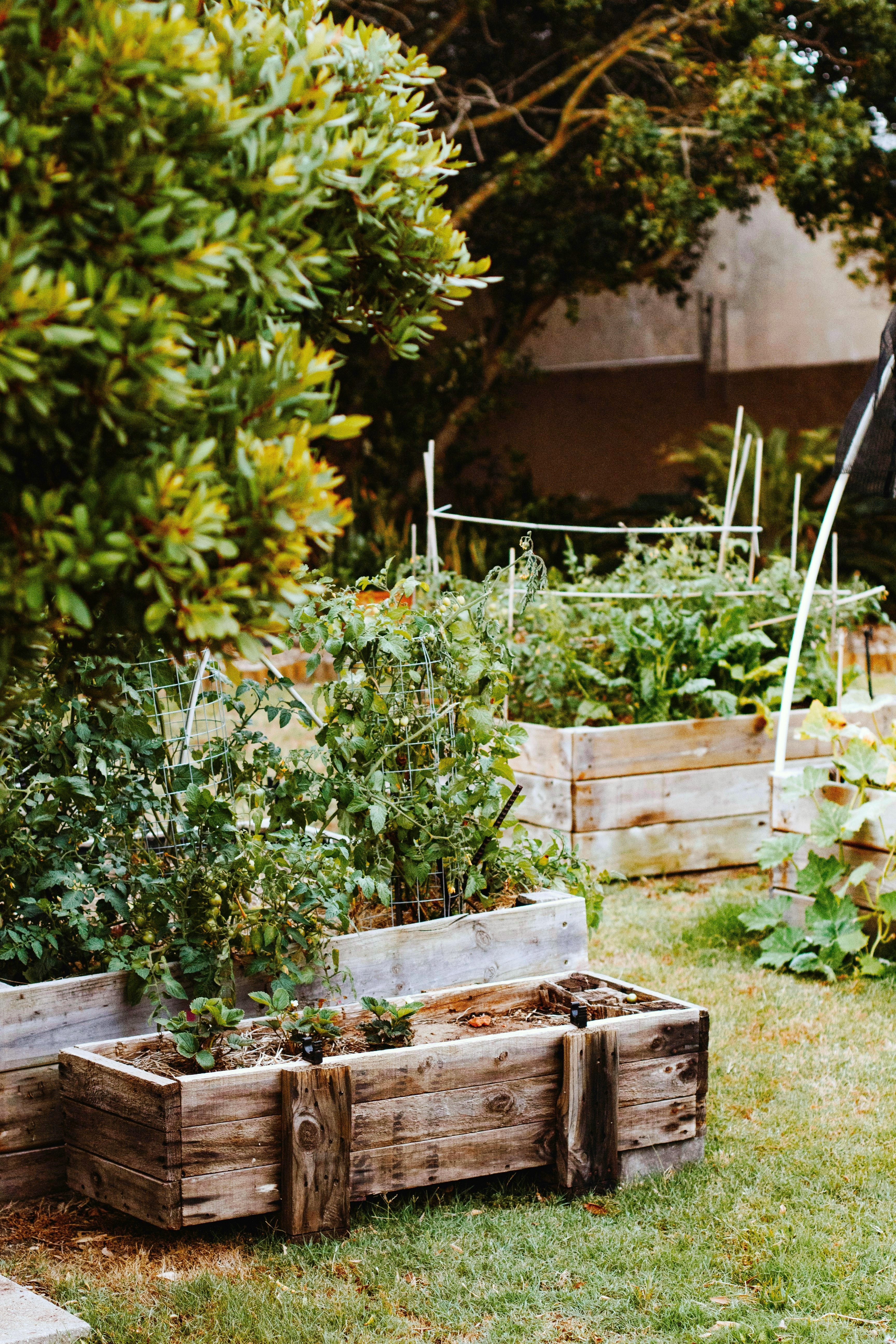
Raised beds filled with clean imported growing mix are the most reliable mitigation for known soil contamination. Rather than trying to remediate ground that may hold lead, residues, or other legacy contaminants, you grow above it in material you have chosen, with a physical separation between the roots and the soil below. That makes raised beds the standard answer where a soil test has come back with something concerning, or where the history of a site is uncertain enough that building on top is simpler than testing every question. Part of why this works is that plant roots take up very little lead directly; most of what ends up on garden produce is soil particles splashed onto and clinging to the crop, so growing in clean imported soil removes the contaminated particles from contact in the first place. They are just as useful, though, for reasons that have nothing to do with contamination: poor native soil, waterlogged ground, heavy compaction, or simply the wish to control conditions closely and garden without stooping to ground level.
Understanding what goes into them matters as much as the decision to use them, because a raised bed is only as clean as what you fill it with. Imported topsoil and bulk garden mixes vary enormously in quality, and some carry their own contamination, weed seed, or residues from wherever they were sourced, so the fill deserves the same scrutiny you would give the native soil you are trying to avoid. Depth matters too, since enough clean material to keep edible roots well clear of the ground beneath is part of what makes the separation real rather than nominal. The sections here cover choosing and sourcing fill, how deep to build, and how to keep imported soil healthy over the years rather than letting it slowly revert.
When raised beds are the right call
Raised beds make practical sense when soil testing reveals heavy metal contamination above safe thresholds for edible crops, on land with unknown industrial or contaminated history that cannot be fully investigated, in urban gardens near old buildings where lead paint contamination is likely, or simply where native soil is so poor, compacted clay, rubble-fill, thin topsoil, that building it from scratch in a raised structure is more productive than years of amendment.
Depth matters
For shallow-rooted crops like lettuce and herbs, 20–25cm of clean growing medium above contaminated soil may be adequate, especially with a barrier layer. For root crops, carrots, parsnips, beets, 45–60cm is necessary to ensure the roots stay fully within the clean zone. For fruiting crops where the edible part is above ground, less depth is needed for contamination avoidance, but roots still benefit from 30cm or more for moisture access and stability.
Barrier layers
A physical barrier between contaminated native soil and clean bed fill reduces upward migration of contaminants. Thick landscape fabric or a double layer of cardboard works for most purposes. Rigid materials like galvanized steel trays or thick plastic sheeting provide more complete isolation. No barrier fully eliminates contact over time, roots can eventually penetrate most materials, which is why the depth of clean growing medium above the barrier also matters. The barrier is a supplement to adequate depth, not a replacement for it.
What to fill raised beds with
A good general raised bed mix is roughly one-third quality topsoil, one-third compost, and one-third a drainage amendment like coarse horticultural grit or perlite. The topsoil provides mineral base and weight; the compost provides fertility, biology, and water retention; the drainage amendment prevents the mix from compacting and waterlogging over time. Avoid mixes that are predominantly peat; they drain poorly once dry, are low in nutrients, and represent a resource with genuine environmental cost. Coir-based mixes are a reasonable peat alternative.
Critically: know your compost source. Compost that includes biosolids material can introduce the same PFAS and contaminants you are trying to avoid. Ask suppliers whether their compost contains biosolids. For the highest confidence, use compost you have made yourself from known inputs.
Container growing
Where space is very limited or contamination risk is very high, containers offer complete isolation from native soil. Growing media concerns are the same as for raised beds. Containers dry out faster and require more frequent watering and feeding, but they make it possible to grow clean food in almost any situation, including patios, balconies, and rooftops. The same water quality considerations apply, whatever is in the water goes into the container and reaches the roots directly.
Extending the Season
Season Extension and the Materials Question
Polytunnels, cloches, row covers, and cold frames make it possible to grow earlier in spring, later into autumn, and through winter in milder climates. They are among the most productive investments a food gardener can make. They also introduce materials into the growing environment that are worth understanding, particularly for anyone who has gone to care over soil and water quality.
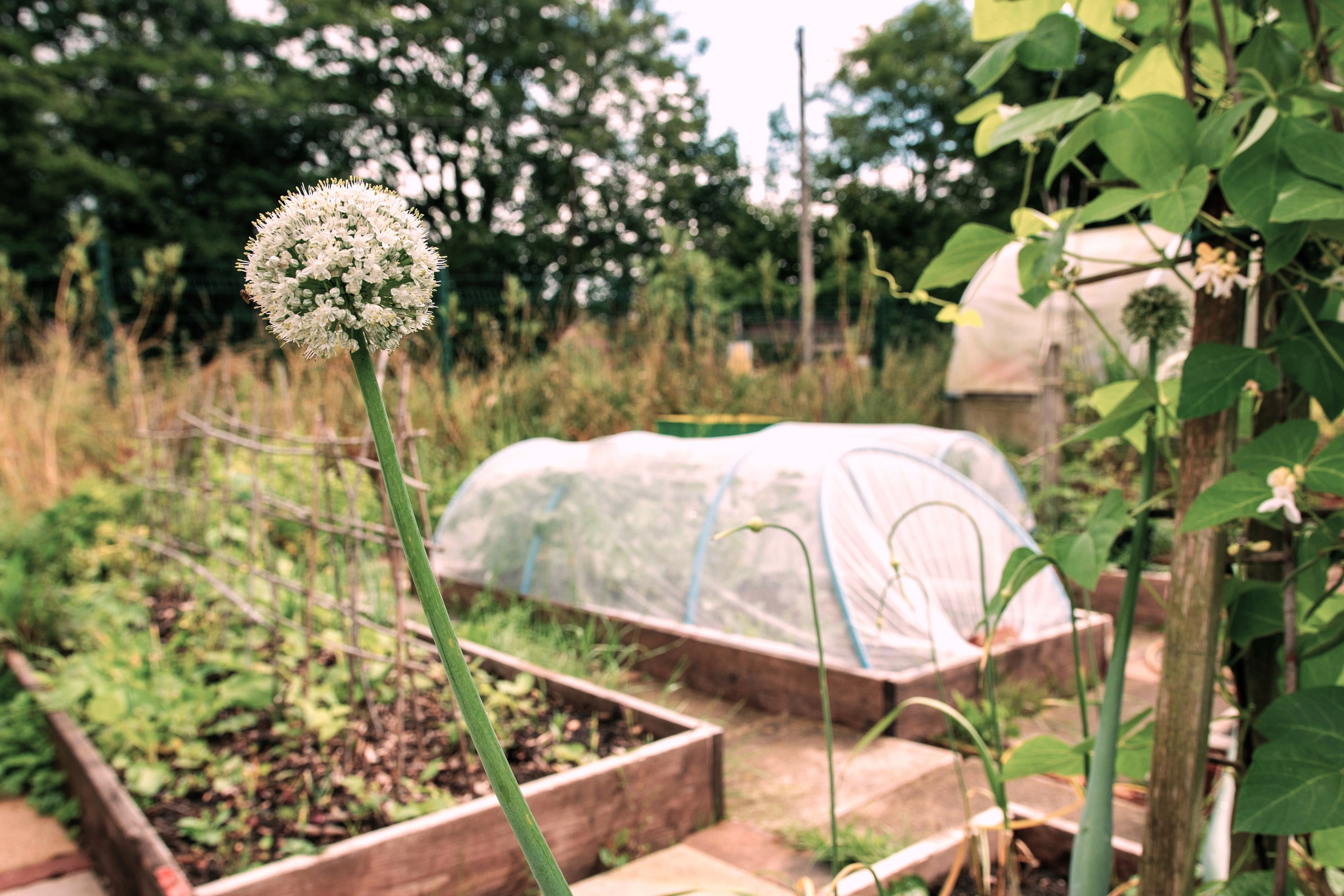
Plastic films and polytunnel covers
Most polytunnel skins and low-tunnel films are made from polyethylene, sometimes with UV stabilizers and other additives to extend their service life. Under normal conditions, polyethylene films do not leach significant quantities of harmful compounds into soil, the material is relatively inert. The concern arises with degradation: as plastic films age and break down from UV exposure, they can shed microplastics and, if they contain certain plasticizers or UV stabilizers, small amounts of these additives. Films that have become brittle, cracked, or powdery should be replaced rather than left in place. The cheaper the film, the faster this typically happens.
Rainwater running off polytunnel plastic picks up whatever is on the surface of the film, dust, degradation products, anything applied to the outside. Avoid collecting polytunnel roof runoff for irrigation if you are concerned about water quality. Purpose-designed rainwater collection from clean roofing materials is preferable.
Row covers and fleece
Horticultural fleece, the lightweight spun-bonded fabric used for frost protection and pest exclusion, is typically polypropylene. It is thin, degrades relatively quickly with UV exposure, and should be composted only if you have confirmed it is a biodegradable variety (some are available). Standard fleece is not biodegradable and should go to general waste when its useful life is over. Reusing fleece for multiple seasons reduces its overall impact. Fine insect mesh netting, also polypropylene, is more durable and typically lasts many years if stored correctly between uses.
Glass and polycarbonate
Glass cold frames and cloches are inert, glass does not leach compounds into soil or onto plants and has no meaningful chemical interaction with the growing environment. Polycarbonate panels used in greenhouses and cold frames are also considered low-risk under normal use conditions, though very old or degraded polycarbonate (yellowing, brittle) may contain BPA from older manufacturing processes. Modern polycarbonate greenhouse panels are generally BPA-free. Replacing very old polycarbonate glazing is worthwhile both for light transmission and peace of mind.
Condensation and humidity
Enclosed growing environments, polytunnels and greenhouses, create warm, humid conditions that accelerate fungal disease on crops. Good ventilation is essential: doors and vents open during the day, air circulation maintained, and foliage kept dry where possible. Overhead watering inside an enclosed structure creates ideal conditions for botrytis (gray mold), powdery mildew, and other fungal problems that then require intervention. Drip irrigation or careful hand watering at the base of plants is especially important inside covered structures.
Soil in permanent structures
Soil inside a permanent polytunnel or greenhouse that is cropped intensively year after year without rotation or rest tends to accumulate salt build-up, disease inoculum, and nutrient imbalances faster than open beds. Rotating what you grow inside the structure year to year, incorporating compost heavily between crops, and occasionally resting the soil under a green manure reduces these problems. Testing soil inside permanent structures separately from outdoor beds is worthwhile, the conditions inside are distinct enough that they can diverge significantly from what you would expect from the outdoor soil.
Managing Without Chemicals
Pests, Disease, and Lower-Intervention Approaches
One of the main arguments for growing your own food is avoiding pesticide residues from commercial production. That argument only holds if you are not introducing your own. Integrated pest management, IPM, is the framework for dealing with pests and disease in a way that minimizes chemical use while keeping crops productive.
The IPM approach
IPM treats pest and disease management as a sequence of responses scaled to the problem, with chemical intervention as a last resort rather than a first response. The sequence typically runs: prevention, physical controls, biological controls, low-toxicity interventions, and finally conventional pesticides if nothing else works. Most home garden pest problems never need to reach the final step.
Prevention
- Healthy, well-nourished plants in appropriate conditions are significantly more resistant to both pests and disease than stressed plants. Soil health, adequate water, and appropriate spacing are the foundation of pest prevention.
- Crop rotation breaks pest and disease cycles that build up when the same plant family is grown in the same place year after year. Moving brassicas, solanums (tomatoes, potatoes), and alliums to different beds each season reduces the buildup of their specific pests and pathogens in the soil.
- Removing diseased material promptly and not composting it in a cool pile prevents disease from overwintering and reinfecting the following season.
- Choosing resistant varieties where available is one of the highest-leverage decisions in preventing disease. Many modern tomato varieties carry resistance to common blights; many squash varieties are resistant to powdery mildew. This information is on the seed packet.
Physical controls
- Fine mesh insect netting excludes butterflies (preventing caterpillar damage on brassicas), carrot fly, and many other pests entirely without any chemical involvement. Applied at planting and secured at edges, it is reliable and reusable for many seasons.
- Copper tape around containers and raised bed edges deters slugs and snails. Handpicking at night or in the early morning is effective in small gardens.
- Sticky yellow traps catch flying insects including whitefly and fungus gnats without chemicals. They are monitoring tools as much as control tools; they tell you what is present and in what numbers before populations become damaging.
Biological controls
Beneficial insects, ladybirds, lacewings, parasitic wasps, hoverflies, prey on or parasitize many common garden pests. They are present in most gardens and increase when pesticide use is reduced and flowering plants are available to support them. Growing a diversity of flowers, particularly those with open structures accessible to small insects, alongside vegetables significantly increases beneficial insect populations. Nematodes applied as a soil drench are commercially available to target specific pests including vine weevil, slugs, and chafer grubs with no risk to other organisms.
When intervention is needed
When physical and biological measures are not sufficient, a range of low-toxicity options is available. Insecticidal soaps and horticultural oils (targeting soft-bodied insects like aphids and spider mites) break down rapidly and leave no persistent residue. Sulfur-based fungicides are among the oldest and lowest-risk options for fungal diseases. If a conventional pesticide is necessary, choose a selective one targeted at the specific pest rather than a broad-spectrum product, observe the pre-harvest interval on the label precisely, and apply in the evening when beneficial insects are less active.
After the Garden
Harvest, Handling, and Reducing Residual Risk
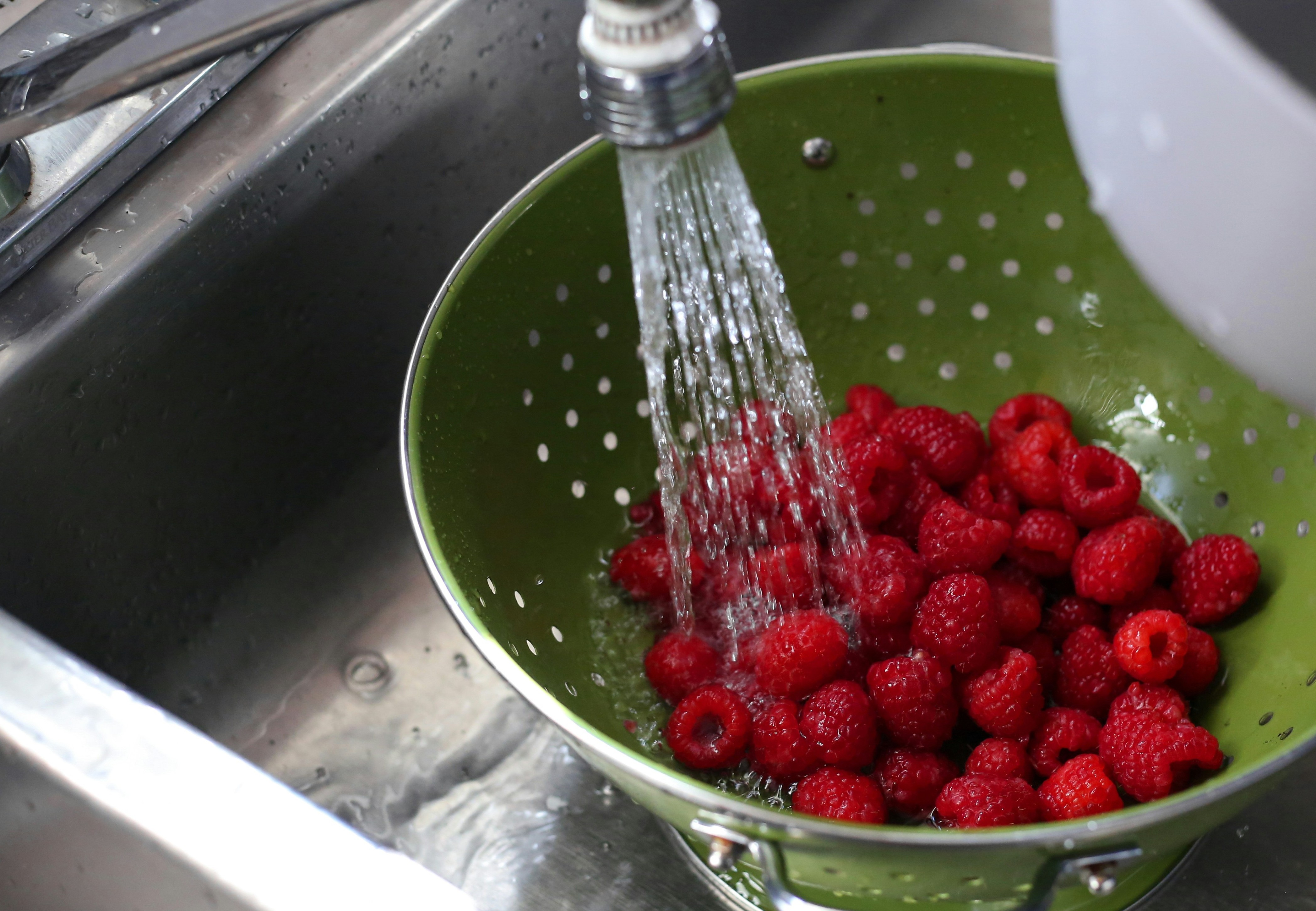
What happens between the garden and the table is the final opportunity to reduce whatever residual contamination risk exists, and it is the stage most directly under your control. For most well-managed gardens on clean or tested soil, this is a matter of good general practice rather than a defense against any specific threat: you wash produce because it has soil and the odd insect on it, not because you expect it to be dangerous. Treating it that way, as ordinary kitchen habit rather than anxious ritual, is the right frame for the majority of home growers who have paid some attention to where their soil came from. It is also the cheapest and least technical safeguard available, which is part of why it is worth doing consistently.
For gardens on more uncertain ground, the same steps carry more weight. Washing, peeling, and choosing which parts of the plant to eat all reduce exposure in meaningful ways, because a good deal of the risk in garden settings sits on the surface as soil particles rather than deep inside the plant. In field trials this shows up clearly: peeling roughly halved the lead in radishes, removing surface dust cut lead in leafy vegetables by 40 to 50 percent, and choosing fruiting vegetables over leafy greens and root crops lowers exposure further still. What these steps cannot do is remove what has already been taken up into plant tissue as the crop grew; no amount of washing reaches that, which is why clean soil and clean water upstream matter more than anything done in the kitchen afterward. The sections below walk through washing, peeling, and which parts of a crop tend to concentrate or exclude contaminants, so the effort goes where it actually changes the outcome.
Washing produce
Washing removes surface soil, dust, and residues from the outer surface of produce. It is effective for what it targets, particles on the surface, but does not remove contaminants that have been taken up into plant tissue. For the kinds of surface contamination that matter most in garden settings (soil particles carrying lead or pathogens from irrigation water), thorough washing under running water does meaningfully reduce exposure. Washing leafy greens in two changes of water removes more soil than a quick rinse. A produce brush on root vegetables removes soil from crevices.
Peeling
For root vegetables in soil with elevated heavy metals, peeling removes the outer layer where concentrations are highest. Carrots accumulate more lead in the outer layer than in the core. Peeling potatoes before eating removes the skin where lead and cadmium tend to concentrate. This is most relevant when soil contamination is known or suspected; on clean tested soil, the nutritional argument runs the other way, skins contain nutrients worth keeping.
Cooking
Cooking does not destroy heavy metals or PFAS, heat does not reduce inorganic contamination. It can reduce some pesticide residues on the surface of produce, and it eliminates biological contamination (bacteria, parasites) from irrigation water. For pathogen-related concerns, watering with water of uncertain biological quality, using manure as fertilizer, cooking produce that would otherwise be eaten raw resolves the risk completely.
Discarding outer leaves
The outer leaves of brassicas, lettuces, and leafy greens have the most soil contact and the highest surface area relative to volume. Removing and discarding them rather than washing reduces both surface contamination and some contaminant uptake, since outer and older leaves often contain higher concentrations than younger inner growth.
Children and vulnerable groups
Children are more sensitive to heavy metal exposure than adults, the same body burden has larger effects on a developing nervous system. In a garden with any confirmed or suspected contamination, applying more caution to what children eat from it and ensuring they wash hands thoroughly after playing in the soil is a reasonable and simple precaution. The same applies to pregnant women and people with compromised immune systems, who are more vulnerable to biological contamination from pathogens in soil and water.
A garden on well-managed soil with clean water, grown without synthetic chemicals, and harvested and washed carefully, is genuinely better than the alternative for most people. The steps that close any remaining gap, testing, choosing crops sensibly, washing thoroughly, are not burdensome. They are just the informed version of something most people are already doing.
After Harvest
Storing and Preserving Produce
Storage extends the value of what you grow, but how you store affects what remains in the food, in terms of nutrition, any residual contaminants, and the risk of biological spoilage introducing new problems. Most of this is straightforward; a few things are worth understanding clearly.
Does storage affect contamination?
Heavy metals and PFAS do not degrade during storage. Inorganic contaminants absorbed into plant tissue at harvest remain there regardless of how the produce is stored or for how long. This means that the decisions that reduce contamination, soil quality, crop choice, washing, peeling, all happen before storage, not during it. Storage cannot make contaminated food cleaner, but it also doesn't make it worse in terms of inorganic contamination.
Pesticide residues on the surface of produce do continue to degrade slightly over time through oxidation, but not reliably enough to be considered a meaningful decontamination step. Washing before storage, and again before eating, remains the more effective approach.
Refrigeration and cool storage
Refrigeration slows bacterial growth and enzymatic degradation, preserving both quality and safety. Produce washed before refrigeration should be dried thoroughly before storage, moisture in a sealed container accelerates mold growth. Most leafy greens store best loosely wrapped in a damp cloth in the refrigerator rather than sealed in a bag. Root vegetables stored in cool, dark, dry conditions, a cellar, garage, or cool cupboard, keep well without refrigeration and often better than in a refrigerator, which is too dry for long-term root storage.
Freezing
Freezing is one of the cleanest and simplest preservation methods; it stops biological activity without adding anything to the food. Blanching vegetables briefly in boiling water before freezing deactivates enzymes that would otherwise degrade color, texture, and flavor during frozen storage. Blanching also reduces surface bacterial load. Frozen produce retains the same inorganic contamination profile as fresh, so the same pre-freeze washing and preparation applies. The containers used for freezing matter: glass and food-grade polypropylene (PP, recycling code 5) are the safest options. Avoid reusing single-use plastic containers or cling film for long-term freezer storage; they are not designed for it and may leach compounds into food, particularly with repeated freeze-thaw cycles.
Fermentation
Lacto-fermentation, the process behind sauerkraut, kimchi, fermented pickles, and similar foods, is both a preservation method and a genuine nutritional enhancement. Salt draws liquid from vegetables, creating a brine in which beneficial lactobacillus bacteria (present naturally on the surface of all fresh produce) proliferate and acidify the environment, preventing spoilage pathogens. The result is more digestible and contains higher levels of certain B vitamins and beneficial organic acids than the raw starting material. Fermentation does not reduce heavy metal content, metals remain at harvest-time levels, but the changed pH may slightly alter bio-availability of some compounds. For safety, the key is maintaining adequate salt concentration (typically 2–3% of total weight) and ensuring the vegetables remain submerged below the brine throughout fermentation, which keeps them in the anaerobic, low-pH environment that prevents harmful bacterial growth.
Drying
Dehydrating produce concentrates everything in it, flavors, nutrients, sugars, and any contaminants present. This matters when thinking about dried herbs and root vegetables in particular: if the fresh material carried elevated heavy metals, the dried version carries the same total load in a smaller, more concentrated package. For produce from clean, tested soil, drying is an excellent storage method with no concerns. For produce from uncertain soil, the concentration effect is worth keeping in mind. Drying at temperatures below 70°C preserves more heat-sensitive nutrients and beneficial compounds; higher temperatures are faster but reduce nutritional quality.
Canning and heat preservation
Water-bath canning is suitable for high-acid foods, tomatoes, fruit, pickles. Pressure canning is required for low-acid vegetables, as it achieves temperatures high enough to destroy Clostridium botulinum spores that can survive boiling water temperatures. Home canning is safe and reliable when the correct method is matched to the food type; using a water-bath canner for low-acid vegetables is the specific error that creates botulism risk. Up-to-date resources from food safety authorities are the appropriate reference for home canning procedures, the specifics of processing times and pressures matter and change as research develops.