

Introduction
What "Natural" Actually Means Here
The home cleaning aisle is one of the most heavily greenwashed spaces in retail. A product can carry a leaf logo, use words like pure, plant-based, or eco, and still contain synthetic fragrance, quaternary ammonium compounds, optical brighteners, and packaging with no viable recycling path. The gap between the label and the ingredient list is often significant.
At the same time, the DIY natural cleaning world has its own mythology. Vinegar and baking soda are not interchangeable with commercial cleaners. Some surfaces react badly to acids. Some genuinely dirty situations require more than pantry ingredients. The distinction between cleaning and disinfecting, removing visible dirt versus actually killing pathogens, matters, and natural options handle these two tasks differently.
What follows covers practical swaps that hold up under real use, what to look for in store-bought products, how to reduce plastic and concentrate waste, and the most important myth-busting around what natural cleaning methods actually do and do not do. It also covers food contact materials and hidden chemical concerns in everyday kitchen items, natural fibers and how to care for them, indoor air quality and its daily contributors, mold prevention and removal, and natural pest control, because home care is broader than what you clean with.
Easy Swaps
Simple Replacements That Actually Hold Up
The swaps below require no specialized sourcing, no compromise on results, and no complicated preparation. Each removes a product with a long ingredient list, often including fragrance, surfactant cocktails, and synthetic preservatives, and replaces it with something simpler.

All-purpose cleaning
A diluted castile soap solution, roughly one tablespoon per two cups of water in a glass spray bottle, handles most kitchen and bathroom surface cleaning effectively. It cuts grease, removes grime, and rinses clean. White vinegar diluted to a similar ratio works well on glass, chrome, and general surface residue, and neutralizes odors. The important note: do not combine them in the same bottle. Castile soap is alkaline; vinegar is acidic. They react and cancel each other out, leaving a cloudy ineffective liquid. Use one or the other depending on the surface. Note that castile soap behaves differently in hard water areas, see the Does It Work section for the specifics.
Baking soda mixed with just enough castile soap or water to form a paste works as a gentle abrasive on sinks, bathtubs, stovetops, and grout. It has mild deodorizing properties and rinses without residue. It is not suitable for polished stone surfaces, the abrasive action can dull marble and granite over time. For those surfaces, a diluted pH-neutral castile solution is the better choice.
One part white vinegar to two parts water in a glass spray bottle cleans windows and mirrors as effectively as commercial glass cleaners, without ammonia or synthetic fragrance. Wiped with a lint-free cloth or scrunched newspaper, it leaves no streaks. If the glass has a waxy buildup from previous commercial cleaners, the first application may leave residue, a second pass resolves it.
For routine drain maintenance, odor and minor buildup, pouring half a cup of baking soda followed by a kettle of boiling water down the drain works well. Adding white vinegar after the baking soda creates a fizzing reaction that helps loosen debris in the pipe walls. This is a maintenance practice, not a fix for a blocked drain. For genuine clogs, a drain snake is more effective and far less damaging to pipes than commercial drain unblockers, which are highly caustic and often the worst products in the cleaning category for both health and environmental impact.
Laundry
Conventional liquid laundry detergent is roughly 80–90% water. You are paying to ship and package water. Concentrated powder detergents, particularly those with short ingredient lists based on washing soda, baking soda, and soap, or laundry strips (compressed sheets that dissolve in the wash) deliver the same cleaning power with a fraction of the packaging and weight. Several brands now make genuinely effective versions without optical brighteners, synthetic fragrance, or phosphates.
Conventional fabric softeners work by depositing a thin layer of quaternary ammonium compounds onto fabric to reduce static and improve feel. They also reduce the absorbency of towels and the moisture-wicking properties of athletic wear over time. A small amount of white vinegar added to the rinse cycle, about half a cup via the softener compartment, removes detergent residue, reduces stiffness, and leaves no vinegar scent after drying. It is particularly effective for towels and linen.
Dryer sheets are single-use, unrecyclable, and typically contain synthetic fragrance and softening agents that transfer to fabric and accumulate over time. Wool dryer balls, used in sets of three to six, reduce static, soften fabric through physical agitation, and shorten drying time by improving air circulation. They last for hundreds of loads. A few drops of essential oil on the balls before a cycle adds scent without synthetic fragrance compounds if that is the goal.
Kitchen and surfaces
Most conventional dish soaps are effective but come loaded with synthetic fragrance, dyes, and preservatives in single-use plastic. Concentrated castile soap diluted for dishwashing, or a solid dish soap bar used with a natural fiber brush or cloth, covers everyday washing without the formulation concerns. Neither cuts grease as aggressively as commercial formulas on heavily soiled pans, a soak first addresses this, but for everyday use, both hold up well.
Standard kitchen sponges are made from polyurethane foam and shed microplastics with use and washing. Alternatives include cellulose sponges (plant-based, compostable), loofah, cotton or linen dishcloths, and natural sea sponges. Cotton and linen cloths launder well and last longest. Cellulose sponges have a similar feel to synthetic but are genuinely compostable when they wear out. None of these harbor bacteria any more readily than synthetic sponges, regular rinsing, drying between uses, and periodic laundering is the practice that matters regardless of material.
Store-Bought
What to Look For, and What to Leave on the Shelf

Not all store-bought cleaning products are equivalent, and not all natural alternatives outperform the conventional ones they are meant to replace. Some genuinely work better, some work just as well, and a few clean noticeably worse while costing more, so the useful question is never simply natural or not but which product in a given category is the better buy. This section is a category-by-category guide to what the better options really are, and to what to watch for in the ones that market themselves as clean but are not. The aim is to steer you past both the greenwashed product and the merely ineffective one.
The cleaning product market covers an enormous range in the quality of its genuinely natural options. Some brands built their formulas around transparency and short ingredient lists from the start, and they tend to hold up when you read the label closely. Others have simply added a green-looking line to an existing portfolio without substantively changing what is in it, leaning on plant imagery and words like natural and clean that carry no agreed definition. Reading past the front of the label is the only reliable way to tell the two apart. The difference is not always visible from the front of the bottle, which is why the categories below focus on specific picks and specific things to check rather than on brand reputation alone. Price is not a reliable signal either, since some of the best options are among the cheapest and some of the priciest are conventional formulas in nicer packaging. There is a subtler catch, too: the plant-derived scents that make a cleaner feel natural, citrus limonene or pine pinene, are not inert once they are in the air. They react with ozone drifting in from outdoors to form formaldehyde and fine particles, and modeling of a realistic clean found those secondary pollutants still building hours after a ten-minute job, a reminder that a botanical scent is not the same thing as cleaner air.
| Category | The cleaner pick | What to watch for |
|---|---|---|
| All-purpose cleaner | Natural Branch Basics concentrate is plant-derived, fragrance-free, and genuinely multi-surface. One bottle diluted into multiple uses covers most of the cleaning product lineup. Seventh Generation and Ecover are more accessible options that perform well with meaningfully shorter ingredient lists than conventional products. | Many "plant-based" cleaners still contain synthetic fragrance listed simply as "fragrance" or "parfum," masking agents to make the product smell neutral, and synthetic preservatives. The plant-based surfactant claim is often true but covers only one ingredient in a longer formula. |
| Laundry detergent | Natural Powder formats from Molly's Suds, Eco Egg, or similar short-list brands. Laundry strips from Tru Earth or Earth Breeze offer zero-plastic packaging with effective cleaning. Look for formulas free of optical brighteners (fluorescent whitening agents) and phosphates. | Optical brighteners, also called fluorescent whitening agents or FWAs, do not clean fabric. They deposit UV-reactive chemicals that make white fabric appear brighter under light. They rinse poorly and accumulate in fabric over repeated washes. They are also toxic to aquatic organisms and are not readily biodegradable. Many "natural" detergents still contain them. |
| Dish soap | Mixed Ecover and Better Life both offer dish soaps with plant-based surfactants and no synthetic fragrance. Neither is quite as powerful on heavy grease as conventional formulas, a soak addresses this in practice. For a plastic-free option, solid dish bars from Meliora or similar brands are genuinely effective for everyday washing. | Conventional dish soaps almost universally contain synthetic fragrance and dyes with no functional purpose. The fragrance concern is the same as in personal care, a single "fragrance" listing can represent dozens of undisclosed compounds, some of which are skin sensitizers and endocrine disruptors. |
| Toilet and bathroom cleaner | Natural Baking soda and castile soap cover most bathroom surface cleaning. For toilet bowls, a citric acid-based cleaner (powdered or tablet) is effective at dissolving mineral buildup and limescale without the corrosive concern of bleach-based products. Several brands offer compostable toilet cleaning tabs. | Bleach-based toilet and bathroom cleaners release chlorine gas when mixed, even accidentally, with ammonia-based products (common in glass cleaners and some floor cleaners). This is a genuine safety concern. The two product types should never be combined or used in close succession in an unventilated space. |
| Air freshener | Natural Opening windows is first. Beyond that: beeswax candles with essential oil fragrance, diffusers with genuine essential oils, or simmering citrus peels and herbs. None of these introduce the VOC (Volatile Organic Compound) load that spray and plug-in air fresheners do. Soy wax is a meaningful improvement over paraffin but still produces combustion byproducts, beeswax with a cotton wick is the cleanest-burning option. | Commercial air fresheners, including many marketed as natural, are among the highest VOC-emitting products in the home. They do not remove odors; they mask or suppress the olfactory perception of them. Plug-in types run continuously, maintaining a constant chemical load in the air. The fragrance compounds in these products are among the least regulated and least disclosed in any consumer category. |
Plastic-Free
Concentrated, Refillable, and Package-Free
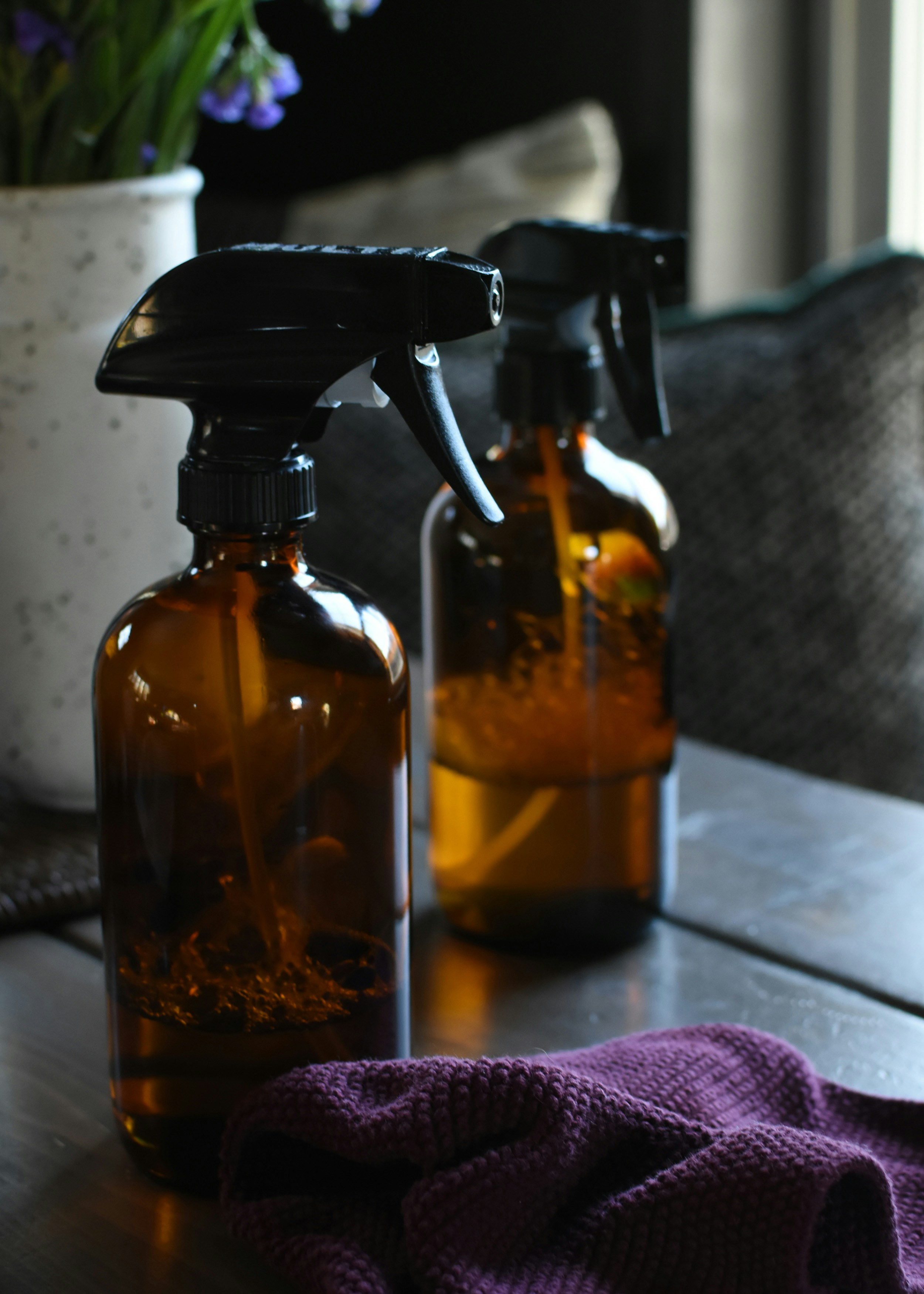
A great deal of the cleaning product industry is, in a fairly literal sense, built on selling water. A conventional spray bottle is mostly water with a small fraction of active ingredients, packaged in heavy plastic and shipped at full weight across the country to be used once and thrown away. Concentrated formats, refill systems, and package-free alternatives handle exactly the same cleaning jobs while removing most of that packaging and shipping weight, since you add the water yourself at home from the tap you already have. It is one of the clearest cases anywhere in the home where the greener option and the cheaper option turn out to be the same option.
Cleaning products are one of the worst categories in the house for single-use plastic, precisely because the bottles are large, heavy, and discarded quickly. The moves below reduce that substantially, and in several categories the alternatives genuinely outperform what they replace rather than merely matching it, so the transition asks for very little compromise on how well things actually get clean. The change is mostly one of habit rather than sacrifice, keeping a refillable bottle and some concentrate, or a bar and a brush, in place of a shelf of single-use sprays. It is also one of the easier switches to make gradually, replacing each product as the old one runs out rather than overhauling the whole cupboard at once. The sections here run through concentrates and refills, the reusable tools worth switching to, and a note on the microplastics that cleaning itself can shed. On that last point, the popular white "magic eraser" sponges are melamine foam, essentially a fine plastic abrasive, and a peer-reviewed study estimated that each gram worn away sheds on the order of six million microplastic fibers straight down the drain, with denser sponges releasing fewer.
Concentrates and refill systems
- Concentrate tabs and pods: Several brands now offer dissolvable cleaning tablets, drop one in a glass spray bottle, add water, and it becomes a full-strength all-purpose cleaner. Blueland and Ecoya are among the more accessible. The plastic footprint is a small paper sleeve versus a full HDPE bottle, shipped without the water weight.
- Bulk refill stations: Zero-waste shops and some health food stores offer bulk liquid detergent, dish soap, and surface cleaner refills. Bringing your own glass or aluminum container eliminates packaging entirely for regular purchases.
- Castile soap concentrate: One large bottle of castile soap, glass, where available, replaces dish soap, all-purpose cleaner, floor cleaner, and hand soap when diluted appropriately. The dilution ratios vary by use; most brands provide them. This is the single highest-impact reduction in cleaning product plastic for most households.
Tools and disposables
- Paper towels → reusable cloth: A stack of cut-up old cotton t-shirts or cotton muslin squares handles almost everything paper towels are used for. Linen cloths are superior for glass and windows, no lint, high absorbency, fast drying. Keeping a dedicated bin for used cloths next to the bin that previously held paper towels makes the habit easy.
- Plastic scrubbing brush → natural fiber brush: Dish brushes and vegetable brushes with wooden handles and plant fiber or natural boar bristles are fully compostable at end of life. They also tend to be more durable than their plastic equivalents.
- Cling film → beeswax wraps or glass storage: Beeswax wraps are reusable, compostable, and handle most food wrapping needs. They should not be used with raw meat or in the microwave, glass containers with lids are the right tool for those uses.
- Zip-lock bags → reusable silicone or fabric bags: Silicone bags handle most food storage tasks including freezing. Fabric produce bags replace plastic produce bags. The transition requires washing rather than discarding, which is the point.
A note on microplastics in cleaning
Microplastic shedding in the home happens in two ways that cleaning is directly involved in. First, synthetic cleaning cloths and sponges shed plastic fibers with every use and every wash. Second, synthetic fabrics, polyester, nylon, acrylic, shed microfibers in the washing machine with every load. A washing bag designed to catch microfibers (such as a Guppyfriend bag) significantly reduces what enters the water system. Washing synthetic items less frequently, at lower temperatures, and on shorter cycles also reduces shedding. The most permanent solution is transitioning to natural fiber textiles over time, which the next section covers in full.
Not all plastic is the same problem
A common pushback to reducing plastic use goes something like: without plastic you wouldn't have your phone, your car, medical equipment, or modern infrastructure. This is true, and it is also beside the point. The argument conflates two fundamentally different categories of material that happen to share a name.
Engineering plastics are high-performance polymers designed for specific structural, thermal, and electrical applications in industries including automotive, aerospace, electronics, and construction. The polycarbonate in a circuit board, the polyamide in an engine component, and the PTFE in a medical device are chosen because no other material performs the same function as reliably or as lightly. These materials are used in durable applications over long lifespans and represent a fraction of total plastic production by waste contribution. An average car contains approximately 150 kilograms of plastic by weight, components that contribute to fuel efficiency and structural performance across a vehicle's decade-plus lifespan.
Single-use plastic is an entirely different calculation. According to data from the OECD and the UN Environment Programme, packaging accounts for approximately 40% of global plastic production, making it the largest single category of plastic use, and the majority of that packaging is single-use by nature. Single-use plastics as a whole, including non-packaging disposables, make up a similarly large share of current production. These categories dominate plastic waste, environmental contamination, and microplastic generation, and they are also the categories where viable alternatives most readily exist. The question of whether to reduce single-use plastic at home has nothing to do with whether plastic belongs in a circuit board. These are separate decisions about separate materials with separate functions and separate waste profiles.
Recycled plastic: better, but not straightforward
Recycled plastic is broadly better than virgin plastic on energy and carbon metrics. Life cycle assessments published in peer-reviewed journals including by NIST find that producing recycled polypropylene fiber emits approximately 50% less CO2 equivalent than virgin PP fiber. Mechanical recycling reduces energy use and prevents greenhouse gas emissions compared to producing new material from fossil feedstocks. On these measures, choosing products made from recycled plastic over virgin plastic is a meaningful improvement.
What recycled plastic is not, and is sometimes marketed as, is a clean or entirely safe material. A 2022 systematic review examining health outcomes from plastic recycling found that circular strategies could also introduce health risks through occupational chemical exposure during the recycling process and through unintentionally added chemicals and contaminants in the recycled material itself, particularly without strict regulation. Recycled plastic can carry residues from its previous use, and the recycling process itself can introduce new chemical concerns depending on the feedstock and technology used. This is particularly relevant for food contact applications, recycled plastic that is not specifically certified for food contact should not be assumed to be food safe simply because the source material was. The improvement over virgin plastic is real; the idea that recycled plastic is inert or problem-free is not.
There is also the infrastructure question. Only about 9% of all plastic ever produced has been recycled globally, according to Our World in Data and the OECD. Most plastic placed in recycling bins in the US is not recycled in practice, due to contamination, lack of viable end markets, and sorting limitations. Reducing consumption of single-use plastic in the first place has a more reliable environmental outcome than assuming recycling will address what is produced.
Biological plastic degradation: what the science actually shows
One of the more genuinely interesting areas of environmental research over the past decade is the discovery that certain insect larvae can metabolize plastic polymers. Yellow mealworms (Tenebrio molitor larvae) have been shown to consume and biodegrade polystyrene, with gut microbiome analysis confirming that specific bacteria within the larval gut are responsible for breaking down the polymer chains. Research published in Environmental Science and Technology confirmed biodegradation of polyethylene by bacterial strains from the guts of waxworms, with physical damage to plastic film surfaces visible under electron microscopy. A 2024 comprehensive review covering waxworms, mealworms, and superworms identified novel plastic-degrading enzymes in waxworm saliva, and noted that termites are emerging as the first known adult plastivore insects.
The honest position on where this research sits: it is real, it is peer-reviewed, and it is nowhere near a deployable solution at environmental scale. The gap between demonstrating that a larva can digest a gram of polystyrene in a controlled laboratory setting and meaningfully reducing the millions of metric tons of plastic entering the ocean every year is enormous, and current research does not bridge it. What the research does establish is that biological mechanisms for polymer degradation exist in nature, that specific enzymes are responsible and can potentially be isolated and scaled, and that the direction of research is scientifically valid rather than speculative.
The reason this matters for how we think about plastic reduction now is the defeatist argument: that microplastics are already everywhere, already in our blood, our water, and our food chains, so individual action on plastic reduction is pointless. The science does not support this framing. Source reduction, stopping new plastic from entering the environment, is substantially more impactful than any remediation technology currently available or in development. Every reduction in single-use plastic production and consumption reduces the accumulating load. Biological degradation research is a promising downstream tool, not a reason to stop upstream action.
Plastics, Silicone & Rubber
What You're Actually Swapping To, and Why It Matters
When people decide to reduce plastic in the home, the instinct is often to replace it with whatever is being marketed as the natural alternative. Silicone is currently that alternative for most kitchen and food contact items. But silicone is not a single material; it varies significantly in quality and safety depending on how it is made. Natural rubber exists as a third option that most people overlook entirely. Understanding what each material actually is, where it holds up, and where it doesn't prevents the mistake of trading one problem for another.
Plastic, what makes it a problem
Plastic is not one material. It is a category of synthetic polymers, each with different chemical compositions, additive profiles, and leaching behaviors. The concern with plastics in food contact is not primarily the base polymer; it is the additives: plasticizers (phthalates, BPA), stabilizers, colorants, and processing aids that are blended into the plastic during manufacture and are not chemically bonded to it, meaning they can migrate out. Heat, acid, fat, and physical wear all accelerate this migration. A plastic container used cold and undamaged for neutral foods leaches very differently from the same container microwaved with tomato sauce inside. The recycling number system identifies the base polymer type; it says nothing about the additive package, which is where most of the health concern lies and which is not disclosed on consumer products.
The categories genuinely worth avoiding for food contact: polystyrene (code 6), which can release styrene particularly under heat; polycarbonate (code 7, often unlabelled), which contains BPA; and any plastic container that is scratched, cloudy, or heavily worn regardless of its original material, physical degradation of the surface increases migration substantially. PVC (code 3) is also worth avoiding for food storage; it commonly contains phthalate plasticizers and should not be used for food contact at all.
Silicone, what it actually is
Silicone is not plastic and it is not rubber in the traditional sense. It is a synthetic polymer made from silicon, oxygen, carbon, and hydrogen, silicon being a mineral element derived from sand (silica), not the same as the plastic additive BPA. This origin is why silicone is often described as more inert than plastic; it has no carbon backbone the way petroleum-derived plastics do, which makes it more chemically stable across a range of temperatures and conditions. High-quality food-grade silicone does not contain BPA, phthalates, or PVC, and does not leach these compounds.
However not all silicone is equal, and this is where the category becomes more nuanced than most product marketing acknowledges.
- Industrial silicone is not safe for food contact. It may contain cheap fillers, colorants, and additives that leach at cooking temperatures. It has no food safety certification and should not be used with food. The pinch test is a useful field check: pinch and twist a silicone item, if it turns white, it likely contains fillers. Pure silicone does not change color under pressure.
- Food-grade silicone is certified for food contact by the FDA (US) or LFGB (EU/Germany, a stricter standard) and must meet defined migration limits. It is typically peroxide-cured, the peroxide acts as a catalyst during manufacturing. It is safe for food contact and heat-resistant to approximately 220°C (428°F). Trace residues from the peroxide curing process may remain in the material, which is why some peroxide-cured silicone has a faint odor when new; this dissipates with use.
- Platinum-cured silicone is the highest grade. Instead of peroxide, a platinum catalyst is used, platinum is a genuine catalyst that does not get incorporated into the final product, leaving no residues or byproducts. The result is a purer, more stable material with better tensile strength, no odor, and no leaching concern even under repeated high-heat use. It is the standard used in medical devices and pharmaceutical-grade food processing equipment. For consumer products, it carries a meaningful premium but represents the most inert food-contact silicone available. Look for it specified explicitly, "platinum-cured" or "platinum silicone", rather than relying on "food-grade" alone.
The remaining honest limitation of silicone is that it is still a synthetic material and not biodegradable. It does not break down in the environment and is not widely recyclable in standard municipal systems. It is significantly better than single-use plastic for its durability and inertness, but it is not a zero-impact material. Choosing fewer, higher-quality platinum-cured pieces and using them for decades is the right approach rather than building a collection of cheap food-grade silicone items that get replaced regularly.
Natural rubber, the underused option
Natural rubber is harvested as latex sap from Hevea brasiliensis rubber trees; it is a genuinely natural, biodegradable material. It is soft, flexible, highly durable, and has no synthetic chemical additives at the base material level. It degrades naturally at end of life, which no plastic or silicone does. It has been used safely for food-contact applications for over a century.
The two limitations are significant. First, latex allergy: natural rubber latex contains proteins that trigger IgE-mediated allergic reactions in approximately 1–6% of the general population, with higher rates among healthcare workers and people with certain food allergies (avocado, banana, kiwi, and chestnut cross-react with latex proteins). For households where latex allergy is a concern, natural rubber is not appropriate for food contact items. Second, heat and UV sensitivity: natural rubber degrades with sustained heat exposure, UV light, and certain oils, becoming sticky, brittle, or discoloured. It should not be used in the dishwasher or oven and needs replacement more frequently than silicone. For applications not involving high heat, food storage seals, bottle stoppers, kitchen gloves, bread bags, natural rubber is an excellent, low-impact choice.
Cling wrap, what you're actually using
Most cling wrap sold today, including current Saran Wrap, is made from LDPE (low-density polyethylene, code 4), one of the lower-concern plastics. Saran Wrap specifically removed PVDC (polyvinylidene chloride) and plasticizers from its formula in the early 2000s, so the current product used cold and not in direct contact with fatty foods is relatively low concern. The problems begin with three specific conditions.
First, heat: microwaving food with plastic wrap directly on it, even wrap labelled microwave-safe, increases migration into food, particularly with anything fatty or oily. The microwave-safe designation means the wrap won't melt or warp, not that it is chemically inert under heat. Second, fatty foods: fat acts as a solvent for many plastic compounds; direct contact between cling wrap and cheese, meat, butter, or oily food increases migration regardless of temperature. Third, product origin: cheaper or imported cling wraps may still use PVC (code 3) with phthalate plasticizers including DEHP. PVC wrap is often more transparent and clings more aggressively than LDPE; it is not always labelled clearly. If you are unsure, contact the manufacturer or switch to an alternative.
Beyond the health question, all cling wrap is single-use plastic with no viable recycling path. The natural alternatives that genuinely hold up: beeswax wraps for covering bowls, wrapping cheese, bread, and produce, not suitable for raw meat or microwave use. Silicone stretch lids for sealing bowls and containers of any shape. Glass or stainless containers with lids for anything requiring an actual seal or going in the fridge long-term. For raw meat specifically, a plate inverted over a bowl or a dedicated container is the right tool, no wrap needed.
Parchment paper, wax paper and aluminum foil
Parchment paper is cellulose paper coated with silicone, the silicone layer is what makes it non-stick and heat stable, typically up to around 220°C (425°F) depending on the brand. It is the correct choice for lining baking trays, roasting vegetables, and cooking en papillote. Chlorine-bleached parchment can contain trace dioxin residues from the bleaching process. Unbleached parchment, identifiable by its natural brown color, avoids this entirely and is widely available at no meaningful cost premium. Most parchment uses silicone but some products, particularly non-stick coated baking papers, use coatings based on PFAS (Per- and Polyfluoroalkyl Substances) instead. Unbleached, silicone-coated parchment from a brand that discloses its coating is the cleanest choice.
Wax paper is cellulose paper coated in wax, either paraffin wax, which is petroleum-derived, or soy or beeswax in natural alternatives. It is not heat safe. The wax coating melts at relatively low temperatures, transfers to food, and the paper itself can smoke and ignite in an oven. It has no place in an oven or near direct heat. Where it is genuinely useful: wrapping sandwiches and cold food for transport, separating layers of baked goods or meat in the freezer to prevent sticking, and rolling out pastry or dough on a surface. For these cold applications, beeswax-coated paper is the natural alternative.
Aluminum foil: Aluminum leaches into food during cooking, and the rate of migration is substantially increased by acidity and salt. Cooking tomatoes, citrus-marinated proteins, vinegar-based dishes, or heavily salted food directly on or wrapped in aluminum foil measurably increases the aluminum content of that food. High heat increases migration further. Research published in the International Journal of Electrochemical Science found that aluminum migration from foil into food during cooking exceeded the WHO's tolerable weekly intake thresholds when acidic or spicy marinades were involved. For low-acid, low-salt food cooked briefly, wrapping a potato, covering a dish to retain moisture, foil use is low concern. For acidic or salty dishes, a covered glass or ceramic baking dish is the straightforward replacement. Never store acidic leftovers in foil.
How to transition, what to prioritize
- Replace first, highest exposure: Plastic containers used for hot or acidic food, scratched or cloudy plastic containers of any kind, plastic wrap in direct contact with fatty foods, plastic cups and bottles used daily, and any polystyrene takeaway containers reused at home. Replace with glass, stainless steel, or platinum-cured silicone bags for storage.
- Replace when worn out, medium exposure: Plastic cooking utensils (spatulas, spoons) that touch hot food. Replace with stainless steel, wood, or food-grade silicone. Plastic colanders and strainers. Replace with stainless steel.
- Replace as needed, lower exposure: Plastic food storage containers used for cold, dry, or non-acidic food and kept in good condition. These can wait until they need replacing naturally.
- Kitchen, best alternatives by use: Food storage → glass jars and containers with glass or stainless lids. Cooking bags and wraps → platinum silicone bags, beeswax wraps, or natural rubber-sealed cloth bags. Baking → platinum silicone baking mats and molds. Straws → stainless steel or glass. Produce bags → natural cotton mesh.
- Bathroom, best alternatives by use: Shampoo and soap bottles → bar soap, shampoo bars, glass pump bottles refilled in bulk. Toothbrush → bamboo handle with nylon bristles. Cotton buds → bamboo or paper stem.
- Cleaning, best alternatives by use: Synthetic sponges → natural cellulose, loofah, or linen cloths. Plastic scrubbing brushes → wooden handle with natural fiber bristles. Plastic spray bottles → glass spray bottles.
Food Contact
What Your Food Actually Touches
Most conversations about healthy eating focus on ingredients. Far fewer focus on the materials food sits in, gets cooked in, gets cut on, and gets served from, all of which can contribute their own chemistry to what ends up in a meal. The concerns here are not uniform: some materials are genuinely inert, some have conditional concerns around heat or damage, and some have documented issues that are worth understanding regardless of convenience. What follows works through the materials one at a time and what to choose instead; for the underlying chemistry, meaning why heat, fat, acidity, and wear are the conditions that actually move compounds into food, see the food-contact section on the companion Chemistry vs Labels guide.
Plastics and food containers
The recycling number on the bottom of a plastic container is a resin identification code; it describes the type of plastic, and it matters for food safety. Codes 1 (PET), 2 (HDPE), 4 (LDPE), and 5 (PP) are consistently BPA-free and considered the lower-risk options for food contact. Code 6 (polystyrene) is BPA-free but can release other toxic compounds, including styrene, a possible carcinogen, when heated. Code 7 is a catch-all that includes polycarbonate, which is made from BPA, as well as some safer bio-based plastics; you cannot tell which is which from the number alone.
The BPA-free label requires scrutiny. Manufacturers replacing BPA commonly use BPS (bisphenol S) or BPF (bisphenol F), which early research suggests have similar endocrine-disrupting properties to BPA. The substitution may be a lateral move rather than an improvement. The three conditions that most accelerate chemical leaching from any plastic are heat, acidity, and physical wear. Microwaving food in plastic, storing tomato-based or citrus foods in plastic containers, and using scratched or heavily worn plastic containers all increase migration of compounds into food. Glass and stainless steel are the straightforward alternatives for hot food, acidic foods, and long-term storage.
Cookware
Non-stick cookware coated with PTFE (polytetrafluoroethylene, the material marketed as Teflon) is safe when undamaged and used at low to medium heat. The concerns begin at two points. First, overheating: above approximately 500°F (260°C), PTFE coatings begin to break down, releasing toxic fumes that cause flu-like symptoms in humans and are acutely lethal to pet birds. An empty pan left on high heat can reach this temperature in minutes. Second, damage: a scratched or flaking PTFE coating releases microplastics into food, research published in Science of the Total Environment by Dr. Cheng Fang of the University of Newcastle found that a single scratch on a PTFE-coated pan can release approximately 9,100 microplastic and nanoplastic particles. Any non-stick pan that is visibly scratched, peeling, or flaking should be replaced, not continued to be used. Pans manufactured before 2013 may also contain PFOA, a PFAS compound that has since been phased out but was associated with serious health effects.
The PFOA-free label on modern non-stick cookware does not mean PFAS-free or PTFE-free; it refers to one specific compound used in the manufacturing process. For genuinely PFAS-free cooking, the practical alternatives are stainless steel (no coating, no PFAS, handles high heat, lasts indefinitely), cast iron (naturally non-stick when seasoned, no coating, extremely durable), carbon steel (similar to cast iron but lighter), and ceramic-coated pans from brands that are verified PTFE-free and PFAS-free. Ceramic coatings lose their non-stick performance faster than PTFE, typically within one to three years with regular use, and a scratched or chipped ceramic coating should also be replaced as it exposes the underlying aluminum base.
Cutting boards
The conventional advice that plastic cutting boards are more hygienic than wood is not supported by the evidence. Research has found that hardwood surfaces can be as safe as or safer than plastic, wood absorbs moisture into its fibers where bacteria become trapped and die off rather than multiplying on the surface. Plastic boards, by contrast, develop knife scars over time that harbor bacteria and cannot be fully cleaned. Plastic boards also shed microplastics with use and wear. The practical guidance: hardwood is the best daily cutting board material. End-grain hardwood (where the cutting surface shows the cross-section of the wood) is gentler on knives and self-heals minor cuts better than face-grain. Maple, teak, and walnut are all suitable hardwoods.
Bamboo boards are a common choice but have a structural caveat: bamboo is a grass, not a wood, and bamboo cutting boards are engineered composites bonded with adhesives. Many standard bamboo boards use phenol-formaldehyde binders, a concern for a surface in daily contact with food. Where bamboo is preferred, look for boards specifying food-safe or formaldehyde-free adhesives. For maintenance: oil wooden and bamboo boards regularly with food-safe oil, food-grade linseed oil, fractionated coconut oil, or a dedicated cutting board oil. Mineral oil is widely used but is petroleum-derived; plant-based alternatives are preferable. Do not use olive oil or other culinary oils as they go rancid in the wood. Never put a wooden or bamboo board in the dishwasher, the heat and moisture warps and splits the wood. A lemon-and-coarse-salt scrub periodically deodorizes and mildly sanitizes without chemicals. Replace any board that has developed deep, hard-to-clean grooves.
Dinnerware
Melamine dinnerware, lightweight, shatter-resistant, and common in children's sets and outdoor dining, is made from melamine-formaldehyde resin. The FDA permits its use and acknowledges that small amounts of melamine and formaldehyde migrate from the material into food, particularly when the dinnerware is exposed to heat above 160°F or acidic foods. The FDA's explicit guidance is that melamine dinnerware should never be used in a microwave. At normal room-temperature serving conditions, migration is low; the concern increases with hot food and significantly with microwave use, where the dish itself heats and accelerates chemical release. Long-term repeated exposure to elevated melamine is associated with kidney damage. Melamine is practical for outdoor or cold-food serving; it is not appropriate for hot food, acidic food, or microwave reheating. Bamboo-melamine blends, sold as more natural, are also melamine resin products and carry the same concerns; over 35% of tested bamboo-melamine products have been found to exceed safe migration limits.
Lead and cadmium in ceramic glazes were standard practice for decades and remain a concern in older dinnerware, artisanal ceramics from some regions, and brightly colored vintage pieces. Lead leaches most readily from acidic foods and drinks. If you regularly use older ceramic, have it tested or retire it from food use. Modern commercially produced ceramic from established manufacturers in regulated markets is generally considered safe, though the "microwave-safe" label indicates the material won't crack or overheat in the microwave; it is not a chemical safety certification. Glass and plain, undecorated ceramic remain the lowest-concern dinnerware materials.
Disposable and "compostable" packaging
PFAS compounds are used extensively in disposable food packaging to create grease and moisture resistance, including in products marketed as compostable or eco-friendly. Soak-proof paper plates, molded fiber bowls, pizza boxes, fast food wrappers, and microwave popcorn bags are among the documented sources. Research has confirmed that PFAS can leach from these surfaces into food even at room temperature, and more rapidly with hot or fatty food. The compostable label does not mean PFAS-free, some of the highest-PFAS packaging on the market carries sustainability claims. Polystyrene foam containers (code 6) can release styrene into food, particularly when hot or fatty food is placed in them. For genuinely lower-risk disposables where they are necessary: uncoated paper, palm leaf plates, and PFAS-free certified products are available, though the certification requires checking as the claim is not standardized.
Canned food linings
The interior lining of most metal food cans is an epoxy resin coating containing BPA or BPA alternatives (BPS, BPF). This lining exists to prevent the metal from corroding and reacting with food, without it, metallic contamination would be a significant problem. BPA from can linings has been identified as one of the highest dietary sources of bisphenol exposure for most people. Heat accelerates migration: canned foods that are acidic (tomatoes, citrus, beans) and stored for long periods show higher BPA levels. The EU enacted regulations in 2024 specifically addressing BPA migration from epoxy can coatings, moving toward BPA-non-intent (BPA-NI) alternatives. The most straightforward reduction: choose fresh, frozen, or food packaged in glass jars where they exist as alternatives, particularly for high-acid foods stored long-term.
Food-safe resin, what the label actually means
Food-safe epoxy resin meets FDA 21 CFR 175.300 standards for resinous and polymeric coatings; it is assessed for chemical migration into food under specified conditions. A product carrying this certification from a verified manufacturer has passed testing. What the certification does not cover: damage. A scratched, chipped, or heavily worn resin surface loses the integrity of its cured polymer matrix and can begin leaching uncured monomers and other compounds. Heat is the other variable, food-safe resin is certified for food contact, not for hot food contact unless specifically stated. Handmade resin items present an additional variable: the mixing ratio and cure conditions during production affect how fully the resin polymerizes. A commercially certified product from a controlled manufacturing process is more reliable than a handmade item, regardless of the resin brand used.
Natural Fibers
Understanding What You Have, and How to Care for It
Natural fibers are not interchangeable. Each has a distinct structure that determines what it can do well, where it fails, and what it needs from laundering. Treating wool like cotton is the fastest way to ruin it. Using cotton where linen belongs produces worse results. Understanding the material is the first step in caring for it correctly, and in choosing the right fiber for each job in the first place.

Wool is the most technically impressive natural fiber for active and outdoor use. Its structure traps air for warmth and, critically, retains insulating properties even when saturated. This is why it is used in base layers, outdoor socks, and increasingly in swimwear and wetsuits. It is also naturally odor-resistant due to its antimicrobial properties, meaning it needs washing far less frequently than synthetic equivalents.
The limitation is its vulnerability to heat, agitation, and alkaline detergents, the exact conditions of a standard washing machine cycle. These three factors cause the fiber scales to lock together irreversibly: felting. Cold water, gentle agitation or hand washing, and a pH-neutral wool wash are non-negotiable. Lay flat to dry. Never tumble dry. The reward for this care is a garment that outlasts most synthetics by years.
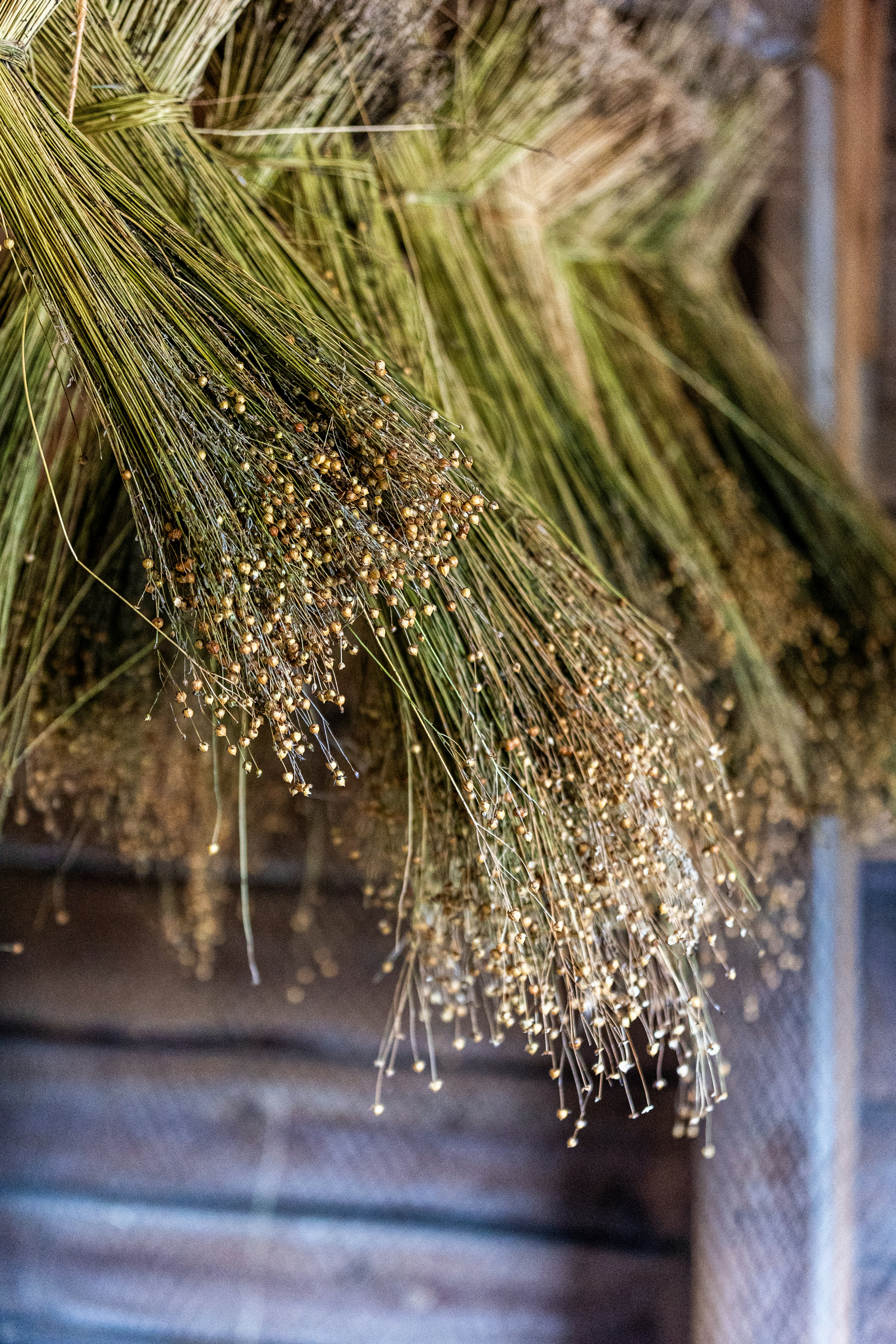
Linen is made from flax and is the superior choice for dish towels, tea towels, and bread storage. It absorbs moisture quickly, releases it quickly, and does not harbor bacteria the way cotton does when left damp. Bread wrapped in linen stays fresh longer because linen breathes without drying the crust out. It is also one of the strongest natural fibers, getting more supple and softer with every wash rather than degrading.
The limitation is cosmetic: linen wrinkles badly. It needs to be ironed while still slightly damp for a smooth result, or accepted as naturally textured. It is also initially coarser than cotton, in direct skin contact applications, it softens over time but requires breaking in. Not the right choice for first-layer clothing when softness from the start matters.
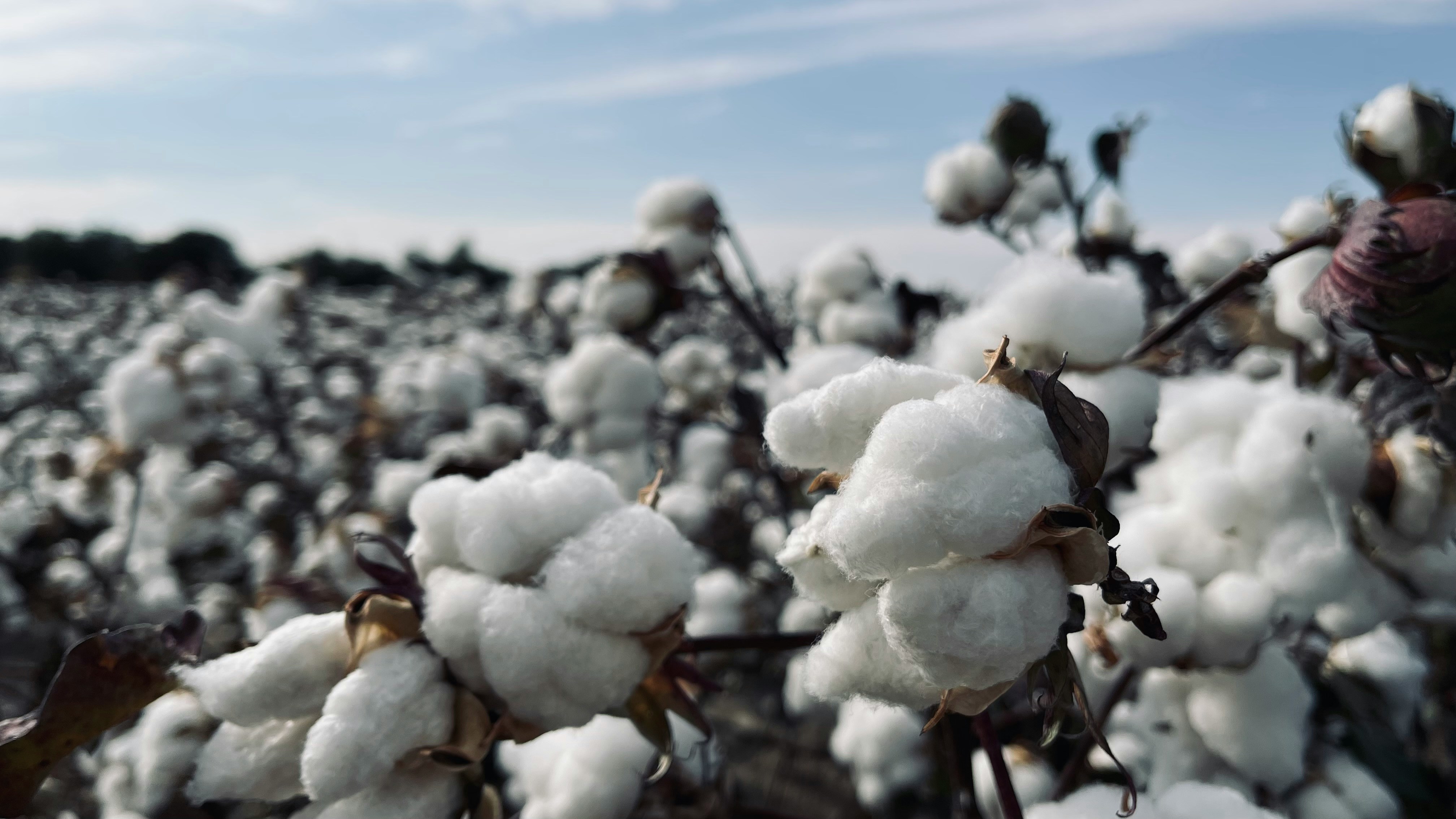
Cotton is the most forgiving fiber to launder; it tolerates heat, agitation, and most detergents, but it has a significant structural limitation: it absorbs moisture and holds it. This makes it comfortable in dry conditions but problematic in any situation involving sweat or cold. In outdoor circles, the phrase "cotton kills" exists for a reason: wet cotton against skin in cold temperatures accelerates heat loss. Cotton has no place in cold-weather or high-activity clothing.
The glasses-cleaning example is a good illustration of the broader fiber principle: cotton's looped pile structure, even in a soft t-shirt, is rough enough to scratch optical coatings. Linen or a dedicated microfibre cloth is the right tool. For what cotton does excel at, bedding, towels, casual everyday wear in temperate conditions; it is hard to beat for accessibility and comfort.
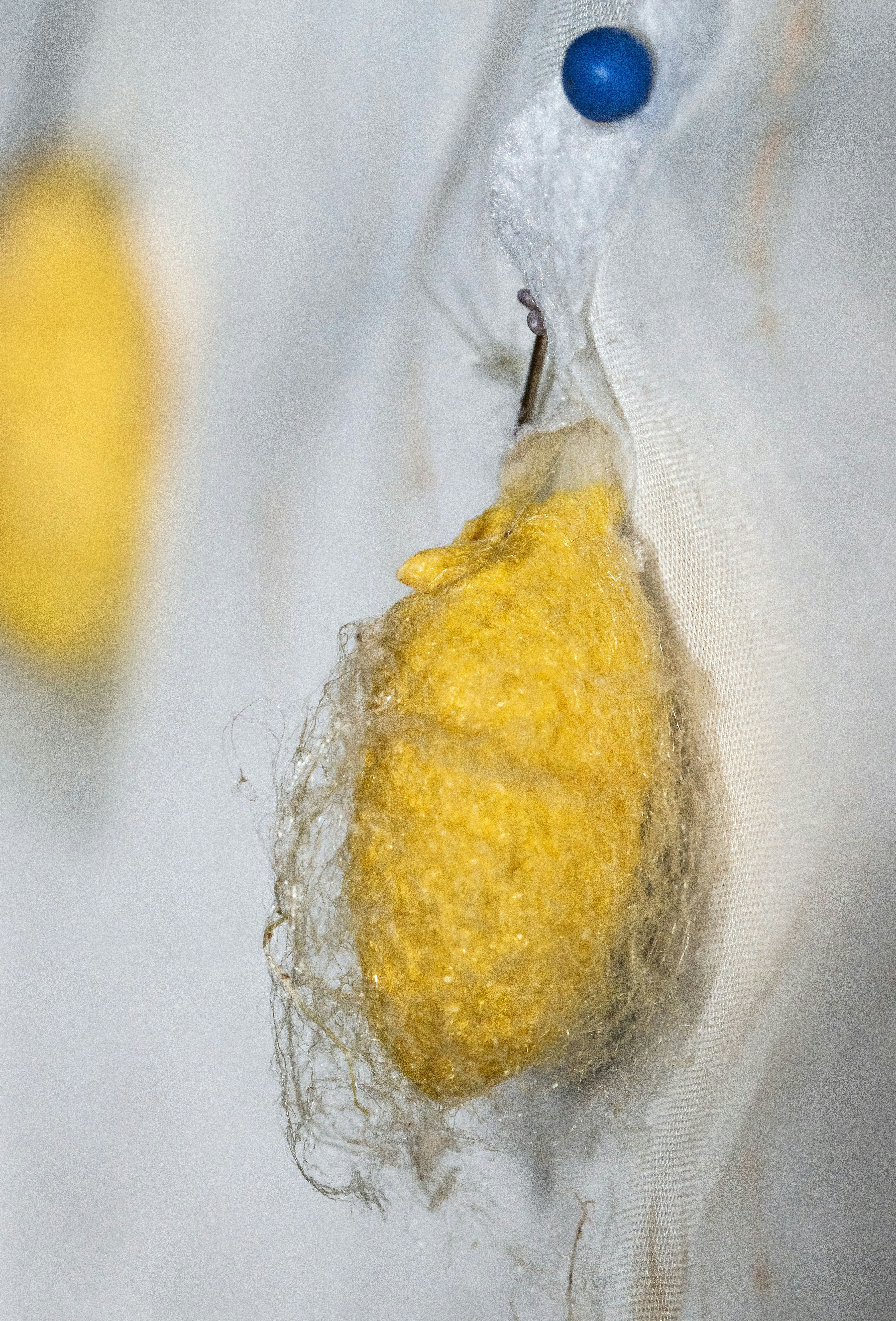
Silk's smooth surface creates less friction than any other natural fiber, which is the functional basis for silk pillowcases reducing hair breakage and skin crease lines overnight, not just a luxury claim. It is also a natural temperature regulator, feeling cool in heat and less cold than linen in cool conditions. As a protein fiber it shares wool's sensitivity to heat and alkaline detergents, though it does not felt.
The limitation is durability. Silk is genuinely fragile under repeated mechanical stress, sunlight, and chlorine. It is not a practical choice for heavy-use household items. Hand washing in cool water with a pH-neutral detergent and drying flat away from direct light is required. Perspiration, body oils, and many perfumes degrade silk over time; it is a fiber that rewards careful, infrequent wearing and prompt, gentle washing.
Hemp is structurally similar to linen, both are bast fibers from plant stems, but hemp fibers are longer and denser, making hemp fabric heavier and more durable. It is one of the few textiles that genuinely becomes stronger with each wash rather than degrading. It also has natural UV resistance and is more resistant to mold and mildew than most fibers.
The significant limitation for skin-contact use is initial coarseness. Hemp softens over time, and eventually becomes quite soft, but this can take many washes. For items like bags, upholstery, towels, and floor-level items, this is not a concern. For a shirt worn next to skin from day one, the break-in period is real and not everyone tolerates it. Blends with cotton or silk reduce this while retaining some of hemp's durability advantages.
Cashmere and fine Merino are protein fibers with the same care requirements as wool but with less margin for error, the finer the fiber, the more easily damaged by heat and agitation. The tradeoff is unmatched softness and warmth-to-weight ratio. These are the fibers that reward the most careful laundering practice: hand wash in cool water, reshape while wet, dry flat.
Storage matters as much as washing. Moths target protein fibers specifically; they lay eggs in soiled garments, so clean storage is the first defense. Cedar, blocks, chips, or boards, repels moths naturally and indefinitely when refreshed periodically with light sanding. Mothballs are paradichlorobenzene or naphthalene: both are toxic, both off-gas into the air of the room, and neither belongs in a home.
Laundering natural fibers: the core principles
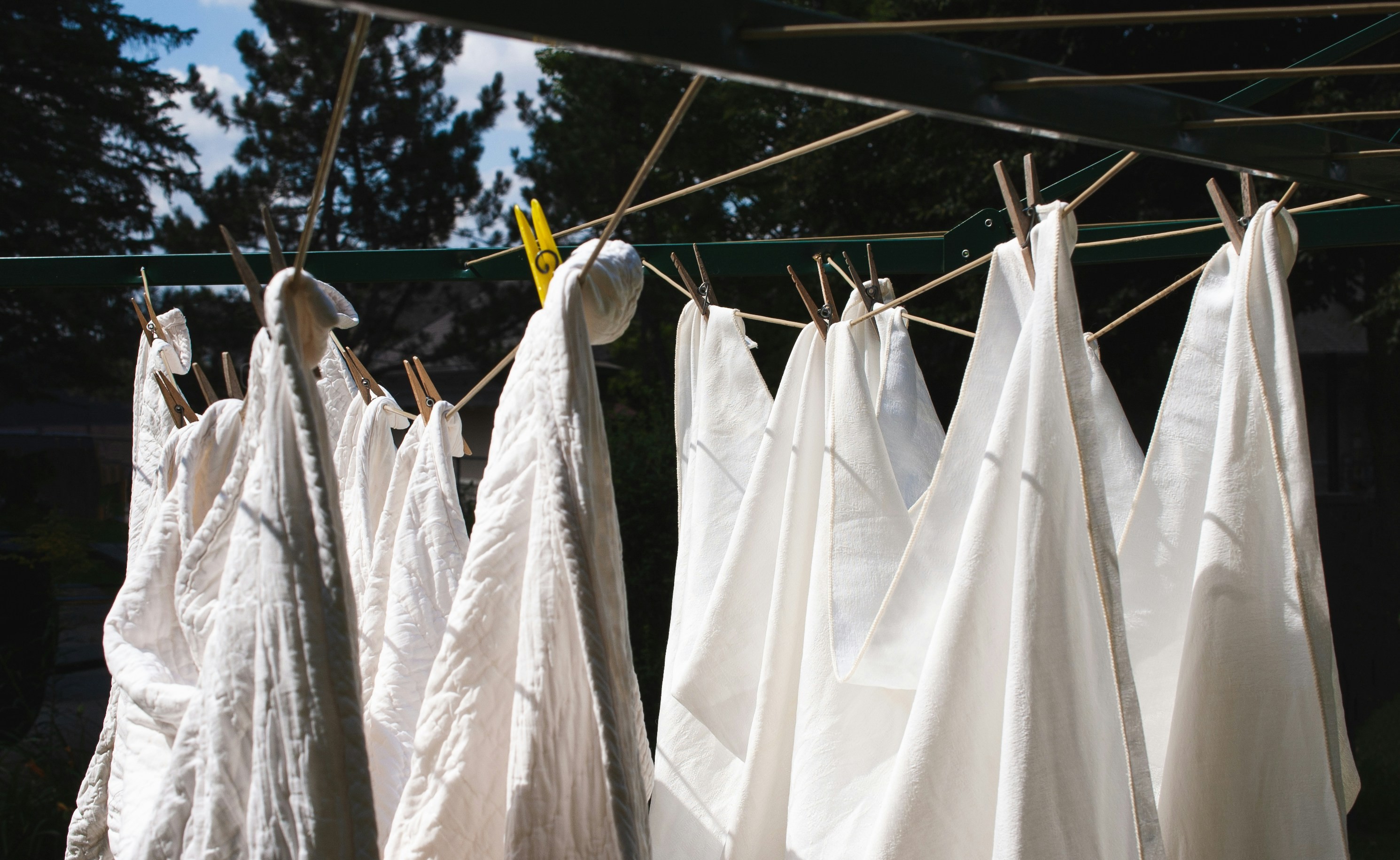
- Know your fiber before washing anything. Cotton tolerates machine washing on warm. Wool and silk do not. Linen tolerates machine washing but needs cool to warm, hot water will shrink it. When in doubt, hand wash cool.
- Use a pH-neutral detergent for protein fibers. Wool and silk are damaged by alkaline detergents, including most standard laundry detergents. Dedicated wool washes (Eucalan, Soak, Woolite to a lesser extent) are pH-balanced and often require no rinsing, which reduces agitation stress further.
- Agitation is the enemy of wool. It is the mechanical action, not just heat, that causes felting. Front-load machines on a dedicated wool cycle use minimal agitation and are safer than top-loaders with agitators. Hand washing with a gentle press-and-soak method is safer still.
- Dry flat for anything that can stretch or felt. Hanging wet wool or cashmere causes irreversible stretching under the weight of the water. Lay flat on a clean towel, reshape to original dimensions, and allow to air dry away from direct heat or sunlight.
- Wool sweaters need washing less than you think. The natural antimicrobial properties of wool mean it resists odor accumulation. Airing between wears and spot-treating marks as they happen reduces the need for full washing, which in turn extends the garment's life considerably. Eucalyptus-based fabric refresher sprays are an effective between-wash option.
Indoor Air Quality
Daily Contributors to the Air in Your Home

Indoor air quality is not a static condition. It changes through the day depending on what you burn, cook with, clean with, and bring into the home, which makes it one of the few environmental exposures you have real and direct control over. The EPA has identified indoor air pollution as one of the top five environmental health risks, which can be surprising since pollution is often pictured as something that happens outdoors, in traffic or near industry. In practice the air inside a closed home concentrates whatever is released into it, and modern homes are built to be more airtight than older ones, so less of it escapes on its own.
Indoor air in many homes contains measurably higher concentrations of certain pollutants than the outdoor air immediately outside the door. Put plainly, that can sound like cause for concern, though the sources are specific and, for the most part, addressable: cooking, combustion, fragranced products, and poor ventilation account for a large share of the problem, and each has a practical response. Gas stoves make the point concretely: burning gas indoors releases nitrogen dioxide and the carcinogen benzene, and measurements in real homes have found benzene from the flame reaching levels above average secondhand smoke and drifting into rooms far from the kitchen, sometimes staying above health benchmarks for hours after the burner is off, while the stoves also leak a little unburned gas continuously even when switched off. None of it requires expensive equipment as a first step, since the single most effective tool is usually just opening a window and moving air through the space. It also improves the moment you act, which is unlike most exposures in a home, where a material sits in place quietly releasing for years. The sections below work through the common sources one at a time, from gas stoves and candles to the products you clean with, and what actually reduces each.
Gas stoves
Gas stoves emit nitrogen dioxide (NO₂), carbon monoxide (CO), and formaldehyde during normal use. Research from the Rocky Mountain Institute found that cooking in a gas oven emits NO₂ at 130–546 parts per billion, the WHO indoor limit is 106 ppb over a one-hour period. Cooking on gas burners produces 82–300 ppb. In homes without adequate ventilation, these levels frequently exceed health benchmarks, particularly for people in closest proximity to the stove, the cook and young children. The most effective mitigation is a range hood vented to the outside (recirculating hoods filter particulates but do not remove NO₂). In the absence of a range hood, opening a window and running a kitchen exhaust fan reduces exposure substantially. A HEPA and carbon filter air purifier in the kitchen has been shown in peer-reviewed research to reduce indoor NO₂ levels by approximately 36% and fine particulate matter by 45% in homes with gas stoves.
Candles
Paraffin wax candles are made from petroleum. When burned, they release carbon monoxide, carbon dioxide, nitrogen oxides, and volatile organic compounds including benzene and toluene. The soot produced is fine particulate matter that penetrates deep into the respiratory system. Synthetic fragrance in candles adds its own VOC load, the fragrance compounds in scented paraffin candles are among the highest-VOC consumer products burned in enclosed residential spaces.
Beeswax candles are the cleanest-burning alternative. Beeswax burns without producing soot or petroleum-derived compounds, and produces negative ions when burned that may help neutralize airborne particulates, though the magnitude of this effect in a real room is modest. Soy wax is a significant improvement over paraffin but still produces some combustion byproducts; the key variable is the wick (lead-free cotton or wood wicks) and the fragrance (essential oils rather than synthetic fragrance). Fragrance-free beeswax candles with cotton wicks are the lowest-concern option. Burning any candle in a well-ventilated room and keeping wicks trimmed to approximately 6mm reduces soot production.
Synthetic fragrance and air fresheners
Commercial air fresheners, sprays, plug-ins, gels, and scented candles with synthetic fragrance, are among the highest contributors to indoor VOC load. They function by masking or suppressing the perception of odor rather than removing it. Plug-in types run continuously, maintaining a constant chemical presence in the air. Many of the compounds in synthetic fragrance are undisclosed under trade secret protections; documented components include phthalates, formaldehyde, benzene derivatives, and terpenes that react with ozone to form secondary pollutants. Incense, including natural stick incense, produces fine particulate matter, carbon monoxide, and various VOCs during combustion; regular use in unventilated spaces has been associated with respiratory effects. The practical alternatives: ventilation first, then beeswax candles with essential oil scent, or simmering water with citrus peel, cinnamon, and cloves on the stove as a natural fragrance source with no chemical load.
Plants and air quality
The NASA Clean Air Study from 1989 identified a range of houseplants with capacity to remove VOCs including benzene, formaldehyde, and trichloroethylene from air in controlled chamber conditions. This study is widely cited, and widely misapplied. The concentrations and conditions in a sealed NASA test chamber do not translate directly to a normally ventilated home room. The honest position is that houseplants contribute meaningfully to air quality improvement at the margins and have genuine documented capacity to absorb certain VOCs, but they are not a substitute for ventilation or removal of pollution sources. They are part of a layered approach, not a solution on their own. Plants with documented air-filtering properties include spider plant, peace lily, snake plant, aloe vera, English ivy, and Boston fern. Peace lilies and pothos are toxic to pets and children if ingested, placement matters.
Practical natural approaches
- Ventilate before anything else. Opening windows for ten minutes creates more air quality improvement than almost any other single action. Cross-ventilation, windows on opposite sides of the home, is most effective. After painting, cleaning with any scented product, or cooking on gas, ventilation is the primary mitigation.
- HEPA air purifier with activated carbon filter. For homes with gas stoves, significant off-gassing materials, or occupants with respiratory sensitivity, a genuine HEPA filter (rated for the room size) combined with an activated carbon filter for VOC removal is the most evidence-backed mechanical intervention. Carbon filters specifically are required for VOC and NO₂ reduction, HEPA alone captures particulates but not gases.
- Remove sources rather than mask them. Synthetic fragrance products, paraffin candles, conventional air fresheners, and heavily off-gassing materials are best removed rather than offset. A home without these sources needs less active air management.
- Beeswax candles for ambience. If candles are part of the home, beeswax with cotton wicks and no synthetic fragrance is the lowest-concern option. Keep wicks trimmed and rooms ventilated during use.
- Houseplants as a complement. Adding a variety of the documented air-filtering species provides a genuine if modest contribution. Snake plants and pothos are among the most low-maintenance. Keep away from pets and children where toxicity is a concern.
Mold
Prevention, Removal, and When to Call Someone
Mold is a fungus that requires three things to grow: moisture, a food source (organic material, wood, paper, fabric, dust), and a suitable temperature. Remove any one of these and mold cannot establish. The most effective mold strategy is therefore moisture control, not cleaning products. Addressing the source of dampness, a leak, condensation, inadequate ventilation, prevents mold from returning after removal. Cleaning visible mold without addressing the moisture source is a temporary measure.
What bleach actually does, and doesn't
Bleach is the conventional first response to visible mold. It kills mold on non-porous surfaces effectively. On porous surfaces, wood, drywall, grout, fabric, bleach does not penetrate; it removes the color of the mold (making the surface appear clean) without killing the mycelium (root structure) beneath. The mold returns, often within weeks. Bleach also produces chlorine fumes in enclosed spaces, which are respiratory irritants, and degrades wood surfaces with repeated use. It should not be mixed with ammonia or vinegar, both combinations produce toxic gases.
Natural options that actually work
- Undiluted white vinegar is effective against many common household mold species, though it is less reliable against more resilient strains such as black mold (Stachybotrys), which has a tougher cellular structure. Its acetic acid penetrates porous surfaces and addresses the mold at the root level, something bleach on porous surfaces does not do. Apply undiluted to the affected area, leave for one hour, then scrub and wipe. Safe for most surfaces but will etch natural stone, do not use on marble, granite, or limestone.
- 3% hydrogen peroxide is an antifungal, antiviral, and antibacterial agent that kills mold by oxidizing its surface and breaking down proteins and DNA. It requires 10 minutes of contact time before scrubbing. More effective than vinegar on non-porous surfaces; also useful for preventing regrowth. Do not mix with vinegar, the combination creates peracetic acid, a respiratory irritant. Can cause discoloration on some surfaces and natural fabrics.
- Tea tree oil has been found in at least one 2015 study to be more effective than alcohol, vinegar, and two commercial cleaners at inhibiting the growth of common mold species. Mix one teaspoon in one cup of water, spray directly on mold, and leave for one hour before scrubbing. It is the most effective natural option for porous surfaces. The smell is strong but dissipates.
- Baking soda kills some mold species and deodorizes. Mix one quarter teaspoon in two cups of water, spray, scrub, and rinse. Less potent than the above options but safe for all surfaces including stone. Useful as a follow-up treatment after vinegar or hydrogen peroxide.
Prevention, the more important conversation
- Keep humidity below 60%. The EPA recommends keeping indoor relative humidity below 60%, ideally between 30 and 50%, since mold growth accelerates sharply above that threshold. A hygrometer (inexpensive, widely available) tells you the actual humidity level in different rooms. A dehumidifier in chronically damp spaces, basements, bathrooms without windows, is more effective than any cleaning product.
- Ventilate bathrooms during and after showering. Run an exhaust fan for at least 20 minutes after showering. Where no fan exists, open a window. Wiping down tile and glass surfaces after use dramatically reduces the moisture available for mold growth.
- Fix leaks immediately. Mold can begin growing within 24 to 48 hours of moisture exposure. A slow leak behind a wall or under a sink creates a mold environment long before it becomes visible.
- Natural mold-resistant materials. Cork, cedar, and wool have natural antimicrobial and antifungal properties. Cedar lining in wardrobes deters both mold and moths. Linen and cotton dry faster than synthetic fabrics and resist bacterial growth when kept dry. Lime paint on walls creates an alkaline surface that actively inhibits mold growth, a meaningful practical benefit beyond its aesthetic appeal.
When to call a professional
DIY mold removal is appropriate for small surface areas, generally defined as patches under 10 square feet (roughly one square metre) on non-porous or semi-porous surfaces. If mold covers a larger area, appears to have penetrated deeply into drywall or structural wood, returns repeatedly after cleaning, or if occupants are experiencing health symptoms (persistent respiratory issues, unexplained headaches, worsening asthma), professional mold remediation is warranted. Black mold (Stachybotrys chartarum) produces mycotoxins and is a more serious health concern than common bathroom mildew, if suspected, professional assessment is the right call. Disturbing extensive mold growth without proper containment spreads spores throughout the home and can worsen exposure significantly.
Pest Control
Lower-Risk Options, and Honest Limits
Conventional household pesticides are among the most acutely toxic products people routinely apply inside their homes. They persist on surfaces, accumulate in house dust, and are absorbed through skin contact and inhalation, children and pets, who spend more time close to treated surfaces, receive proportionally higher exposure. Several commonly used pesticide classes, including organophosphates and pyrethroids, have documented effects on the nervous system. The alternatives below are genuinely lower-risk. They also have real limitations, for serious infestations, professional intervention is often more effective and less total chemical exposure than prolonged DIY attempts with any product.
What actually works
- Diatomaceous earth (food-grade): Made from fossilized diatoms, microscopic aquatic organisms, ground into a fine powder. It kills insects by physically abrading and desiccating their exoskeletons, absorbing the oils and fats that allow them to retain moisture. Effective against ants, cockroaches, fleas, bedbugs, and other crawling insects. Non-toxic to mammals when used correctly. Important caveats: it must remain dry to work, moisture renders it ineffective. It should not be inhaled; it is a fine particulate and a respiratory irritant; apply carefully in out-of-reach spots. Use food-grade, not pool-grade, diatomaceous earth. Very little is needed; applying more does not increase effectiveness.
- Boric acid: A naturally occurring compound derived from boron. In bait form, boric acid mixed with powdered sugar or peanut butter; it is carried back to ant and cockroach colonies by foraging insects and ingested, disrupting their digestive systems and eventually killing the colony. This mechanism makes it more effective than contact-kill products for colony species. Keep away from children and pets; boric acid is low-toxicity to mammals at low doses but should not be ingested. Do not confuse with borax, which is a different compound and less effective as an insecticide.
- Peppermint oil as a repellent: Peppermint oil reliably repels ants, spiders, and some other insects when applied to entry points and surfaces. It disrupts the pheromone trails ants use to navigate. Effective as a deterrent and preventive treatment; less effective once an infestation is established. A diluted solution sprayed along windowsills, door frames, and known entry points needs reapplication every few weeks, more frequently after cleaning.
- Physical exclusion: The most effective and lowest-risk pest control is denying entry and removing attractants. Sealing cracks and gaps around pipes, windows, and door frames; storing food in airtight glass or metal containers; keeping surfaces free of crumbs and grease; and eliminating standing water remove the conditions that attract and sustain most household pests. This is more durable than any chemical approach.
- Cedar for stored fabrics and wardrobes: Cedar contains natural compounds (cedrene and cedrol) that repel moths without the toxic off-gassing of naphthalene or paradichlorobenzene (the active compounds in conventional mothballs). Cedar blocks, chips, or boards work indefinitely when the surface is lightly sanded periodically to refresh the aromatic compounds. Store clean garments only, moths target soiled protein fibers.
Honest limits
Essential oils as pest repellents work at the margins. They deter insects in the short term but do not eliminate infestations and require frequent reapplication to remain effective. Placing food items (citrus peels, herbs) around the home as repellents degrades quickly, may attract other pests once they decompose, and is not a reliable strategy. Ultrasonic plug-in repellers have not demonstrated consistent effectiveness in peer-reviewed testing.
For established infestations, bedbugs, termites, significant cockroach or rodent presence, professional pest control is the practical answer. A targeted professional treatment, applied precisely by a trained person, often results in lower total chemical exposure than weeks of unsuccessful DIY attempts with over-the-counter products. When engaging a professional, ask specifically about lower-toxicity options: Integrated Pest Management (IPM) practitioners prioritize physical and biological control over broad-spectrum chemical spraying, and many now offer specific low-toxicity protocols on request.
Does It Work
Natural Doesn't Always Mean Effective
Trusting something because it has a short ingredient list or comes from a plant is an understandable instinct, but it can lead to real problems in home cleaning: surfaces that aren't actually clean, bacteria that haven't been killed, or materials quietly damaged by repeated contact with the wrong cleaner. The assessments below are honest about where natural methods hold up and where they don't.
This is the most important distinction in natural cleaning. White vinegar is mildly acidic, effective at dissolving mineral deposits and limescale, and leaves surfaces visibly clean. It does not, however, meet the bar for disinfection. It kills some bacteria at full strength but does not reliably eliminate pathogens like Salmonella or E. coli at typical dilutions. For surfaces that need actual disinfection, cutting boards after raw meat, toilet contact surfaces, areas around illness, vinegar alone is not sufficient. A hydrogen peroxide solution (3%) or an isopropyl alcohol solution (70%+) achieves disinfection and is far less concerning than bleach for routine home use.
The fizzing reaction between baking soda (alkaline) and vinegar (acidic) looks dramatic and therefore feels effective. What is actually happening is neutralization, the two substances cancel each other out, producing water, carbon dioxide, and sodium acetate. The result is a mildly salty liquid that is less effective as a cleaner than either ingredient used separately. The fizz has some mechanical action useful in drains. For surface cleaning, use one or the other: vinegar for mineral and residue removal, baking soda paste for mild abrasion.
Marble, granite, limestone, and travertine are acid-sensitive. Vinegar etches the surface, this can be visible immediately on polished marble and accumulates invisibly on other stones with repeated use. The etching is not reversible without professional restoration. Even diluted vinegar or lemon juice used regularly will dull polished stone. The correct cleaner for natural stone is pH-neutral soap or a dedicated stone cleaner. This applies to grout as well on some surfaces, acidic cleaners break down cement-based grout over time.
Tea tree, lavender, and eucalyptus oils have demonstrated antimicrobial properties in laboratory settings. At the concentrations typically used in homemade or commercial natural cleaners, a few drops per spray bottle, the antimicrobial contribution is minimal. They function primarily as fragrance in these applications. This is not a reason to avoid them if scent is the goal, but it is a reason not to count them as the active cleaning ingredient. The actual cleaning is being done by the soap or the acid, not the essential oil.
In hard water areas, castile soap reacts with the minerals in the water to form soap scum, a white, sticky residue on surfaces and in washing machines. This is not dirt; it is an insoluble calcium-soap compound. The solution is to add a tablespoon of washing soda (sodium carbonate) to laundry loads, which softens the water and prevents the reaction. For surface cleaning in hard water areas, a final rinse with diluted white vinegar dissolves any soap scum residue. This is not a dealbreaker for castile soap; it just requires awareness of local water hardness.
Lemon juice has mild bleaching action when combined with sunlight, the UV activates the citric acid's lightening properties. It is genuinely effective on light stains on white cotton left in direct sun, and as a periodic treatment for cutting boards. It is not equivalent to chlorine bleach for whitening laundry or removing serious stains. As an acid, it shares the stone surface concern with vinegar. It is a useful targeted tool, not a general-purpose bleach replacement.
Reading Labels
Greenwashing, Ingredient Flags, and What the Claims Actually Mean
Cleaning product labels are less regulated than food or pharmaceutical labels and more susceptible to vague environmental claims. Terms like natural, eco-friendly, non-toxic, and plant-based have no standardized legal definition in most markets and can appear on products with ingredient lists that contradict them. The categories below cover the claims and ingredients most worth scrutinizing.
Greenwashing language to read past
These terms describe origin, not safety or simplicity. A synthetic surfactant derived from coconut oil in a multi-step industrial process is technically plant-derived. The claim is not false; it is incomplete. What matters is the full ingredient list, not the origin statement on the front of the bottle. Plant-based surfactants are generally preferable to petroleum-derived ones, but a "plant-based" product can still contain synthetic fragrance, preservatives of concern, and optical brighteners.
This term has no regulatory definition for cleaning products. It cannot be verified or challenged by any standards body. A product labelled non-toxic may still contain fragrance compounds that are respiratory sensitizers, preservatives with endocrine-disrupting properties, or surfactants that are toxic to aquatic organisms. The label tells you the manufacturer's opinion, not a tested standard.
Nearly all organic compounds will biodegrade eventually. The relevant question is how quickly and under what conditions. A surfactant that biodegrades under specific industrial composting conditions over many months is not the same as one that breaks down readily in a wastewater treatment system. The distinction matters for what enters waterways. Readily biodegradable, the meaningful standard, should specify the test method (e.g. OECD 301B). Without that, biodegradable is a near-meaningless claim.
Ingredients worth flagging
The same concern as in personal care products, and arguably more significant in cleaning products, which aerosolize during use and off-gas from treated surfaces afterward. A single fragrance listing can represent hundreds of undisclosed compounds. Cleaning products are used in enclosed spaces, often without ventilation, and on surfaces that remain in air contact for hours. Fragrance-free is meaningfully safer. Unscented is not the same; it may contain masking fragrance to neutralize the smell of other ingredients.
Quats are the active disinfecting agents in many household disinfectants and antibacterial cleaners. They are effective, this is why they are used, but they persist on surfaces after application and can be absorbed through skin contact. They are associated with respiratory sensitization with repeated inhalation, and there is growing concern about their contribution to antibiotic resistance. For routine non-clinical cleaning, they are unnecessary. Reserve disinfection for when it is actually needed, and consider hydrogen peroxide or isopropyl alcohol as alternatives with less residue concern.
Optical brighteners deposit UV-reactive chemicals onto fabric to make whites appear brighter. They do not clean. They accumulate in fabric with repeated washing, are poorly biodegradable, and are toxic to aquatic life. They are also a common skin sensitizer, the rash some people attribute to detergent is often the optical brightener, not the surfactant. They appear in many detergents including some marketed as natural. The ingredient names include stilbene derivatives and distyrylbiphenyl compounds; avoid anything listing these.
Phosphates were the primary active ingredient in dishwasher detergents before they were banned or restricted in many countries due to their role in aquatic eutrophication, algal blooms that deplete oxygen in waterways. Phosphate-free is now the standard in most markets, but it is worth confirming when sourcing detergents from international suppliers or older stock.
A note on certifications
Third-party certifications provide more meaningful assurance than front-of-label claims. EPA Safer Choice (US), EU Ecolabel, and Nordic Swan have ingredient standards that are verified rather than self-reported. Certified B Corp status indicates business practice standards, not ingredient standards specifically; it is not a product quality marker on its own. EWG Verified has a publicly searchable database with ingredient-level scoring. When a product has no third-party certification and makes significant natural or non-toxic claims, treat those claims with appropriate skepticism and read the ingredient list directly.